
Plant
Three-horned Bird Orchid
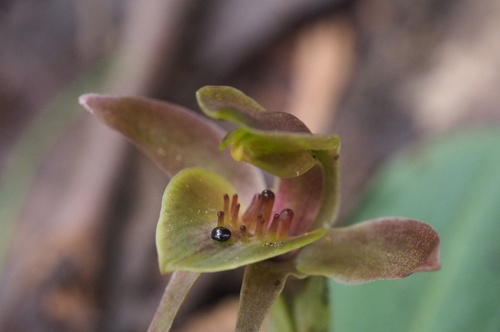
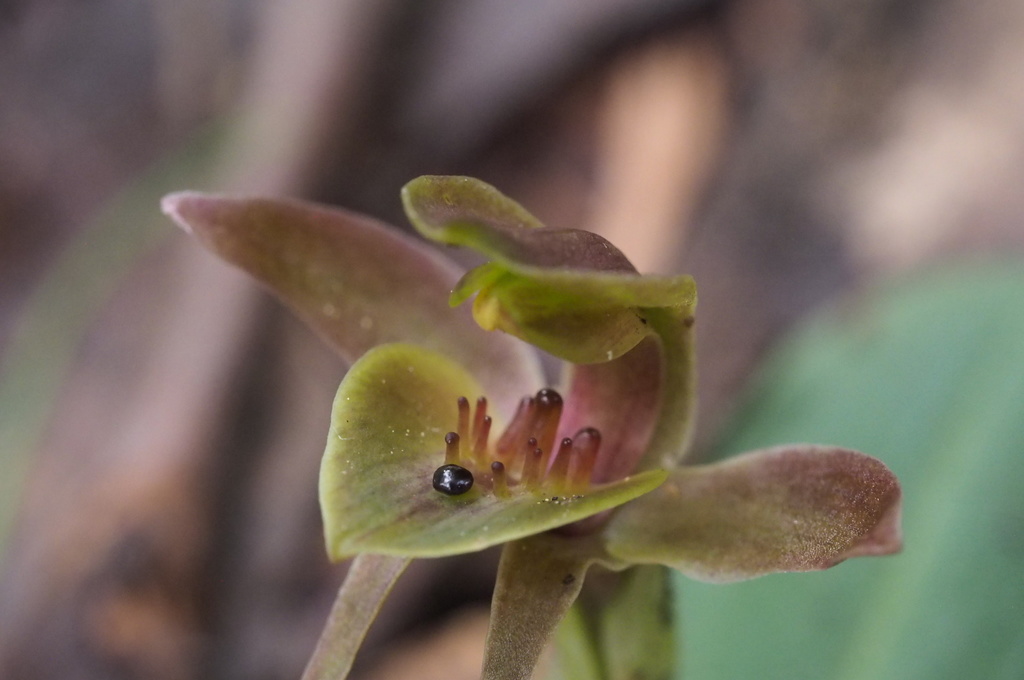
Chiloglottis triceratopsChiloglottis triceratops achieves pollination through elaborate chemical deception, releasing volatile compounds that mimic the sex pheromone of female thynnine wasps to lure males into pseudo-copulation. Resting flat against damp soil among moss and rotting leaf litter, its twin prostrate leaves nourish an underground tuber that persists when top growth dies back. The dark, horn-like calli clustered along the center of its labellum guide duped wasps directly into contact with the reproductive column to ensure pollen transfer.
Terrestrial OrchidTasmanian EndemicDeciduous
—observations
—countries
—peak records
Not EvaluatedConservation statusIUCN Red List categoriesLCNTVUENCREWEXNot Evaluated — not placed on the risk ladderRed List categories, explained →
Diet & preyAutotrophic (photosynthetic, mycorrhizal)
Predators
- Slugs and snails
- Swamp wallabies
- Invertebrate caterpillars
ThreatsHabitat clearing, altered fire regimes, and heavy browsing by introduced herbivores
HabitatsWet sclerophyll forests, cool temperate rainforest margins, and montane gullies
Life spanPerennial (annual above-ground shoots)
Classification
- FamilyOrchidaceae
- SpeciesChiloglottis triceratops
Range data is not available yet.
Interaction riskLow
- Low
- Moderate
- High
- Very high
- Why interaction risk is low
- Safe to observe at a normal distance.
Responsible observation
- Watch Your Step: These low-growing orchids hug the ground and are easily crushed by off-trail foot traffic.
- Use a Hand Lens: Inspect the labellum closely to view the horn-like glands that give the flower its name.
- Leave in Place: Never dig up wild orchids, as they depend entirely on complex, delicate soil fungi to survive.
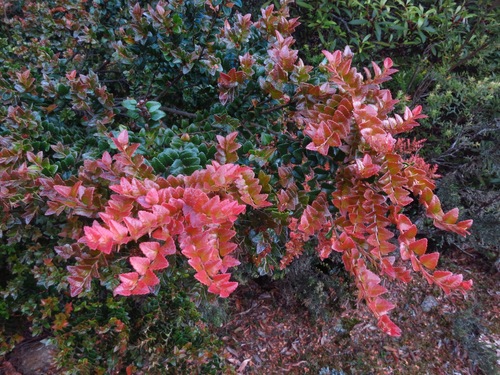
Habitat Associate no rights reserved, uploaded by Cowirrie · cc0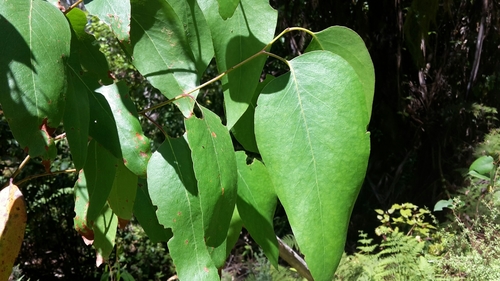
Canopy Associate (c) naturewatchwidow, some rights reserved (CC BY), uploaded by naturewatchwidow · cc-by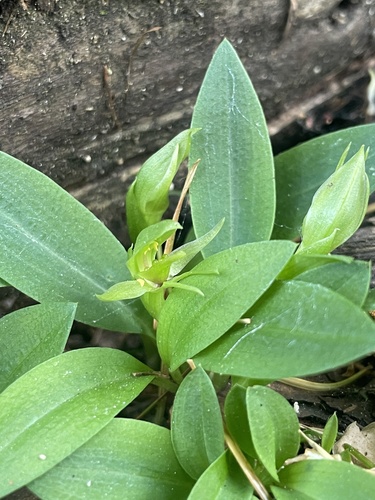
Close Relative (c) Taylor Davies-Colley, some rights reserved (CC BY), uploaded by Taylor Davies-Colley · cc-by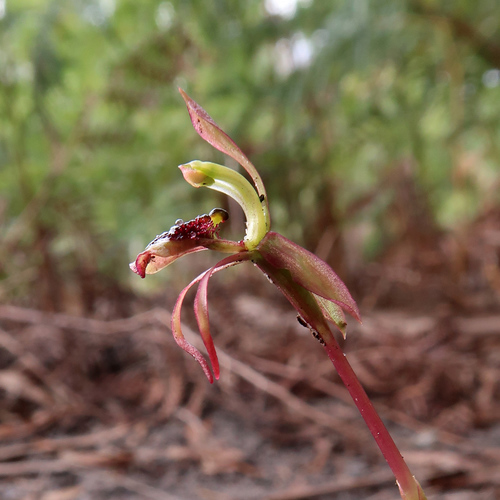
Close Relative no rights reserved, uploaded by Cowirrie · cc0
Help improve the field guideSomething wrong?
Checking your Fauna account…Report a name, category, or profile issue for review.