
Plant · GBIF taxon 2798212
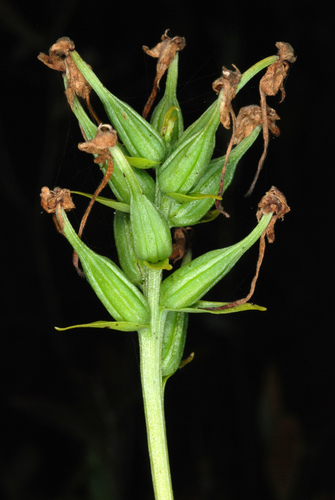
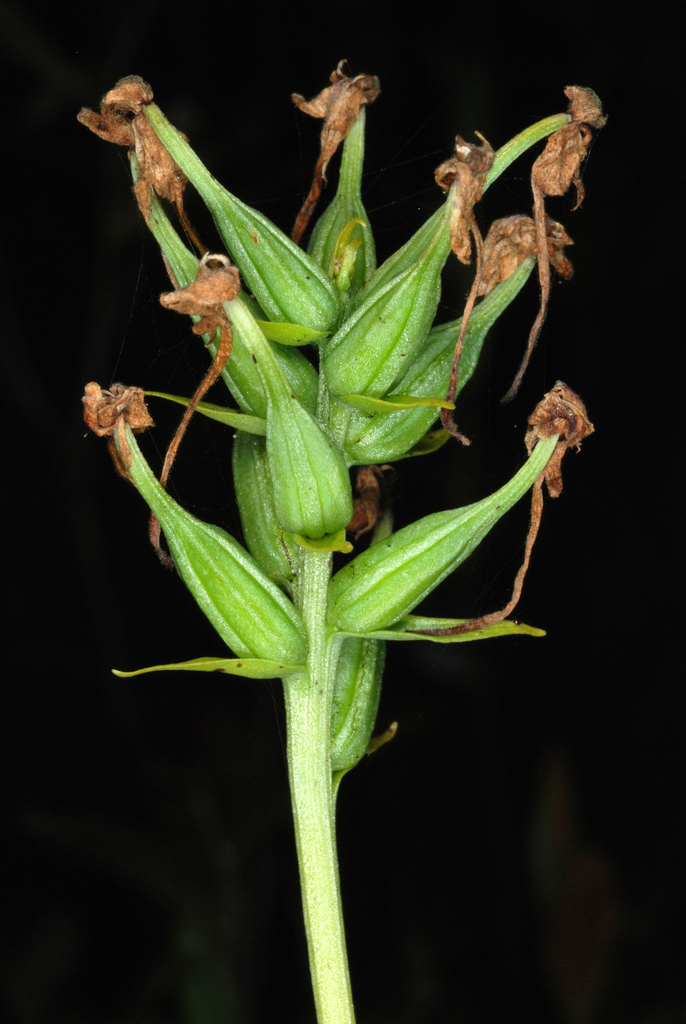
White-fringed Orchid
Platanthera blephariglottisAlso known as White Fringed Orchis, White Fringed-Orchis
White-fringed orchids bloom in mid-to-late summer across nutrient-poor bogs, wet meadows, and pine barrens, producing dense spikes of snowy white blossoms. Each flower features an intricately fringed lower lip and a long nectar spur adapted for hawkmoth pollination. These delicate perennials rely on specialized mycorrhizal fungi in acidic soil to germinate and establish.
OrchidBog PlantWhite Flowers
 1 / 7
1 / 7—observations
—countries
—peak records
Least ConcernConservation statusIUCN Red List categoriesLCNTVUENCREWEXLeast ConcernRed List categories, explained →
Diet & prey
- Solar energy
- Water
- Soil nutrients
Predators
- White-tailed Deer
- Rabbits
- Herbivorous Caterpillars
ThreatsHabitat destruction, wetland drainage, illegal collecting, ecosystem succession
HabitatsAcidic bogs, fens, wet pine barrens, sphagnum mats
Life spanPerennial (decades via underground root tubers)
Classification
- FamilyOrchidaceae
- SpeciesPlatanthera blephariglottis
Range data is not available yet.
Interaction riskLow
- Low
- Moderate
- High
- Very high
- Why interaction risk is low
- Safe to observe at a normal distance.
- What to notice
- Recognized by tall stems topped with dense clusters of pure white flowers featuring deeply fringed lips.
- Support conservation
- Observe strictly from established trails, never pick flowers, and avoid publishing exact coordinates.
Responsible observation
- Observation: Stay on boardwalks or marked paths to prevent crushing sensitive bog vegetation.
- Photography: Use a telephoto lens to capture delicate flower lip details without stepping off trail.
- Timing: Look for open flowering spikes from mid-July through August depending on latitude.
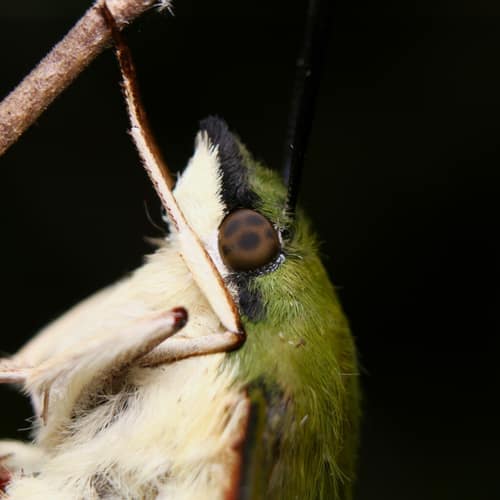
Pollinator (c) Matthew Lindsey, some rights reserved (CC BY) · cc-by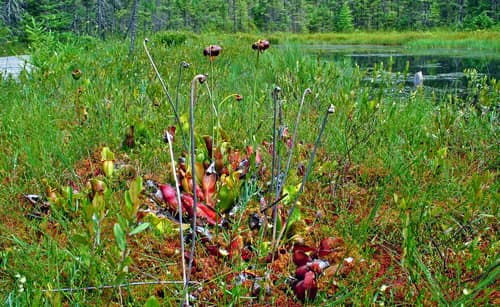
Frequent Companion (c) Aaron Carlson, some rights reserved (CC BY) · cc-by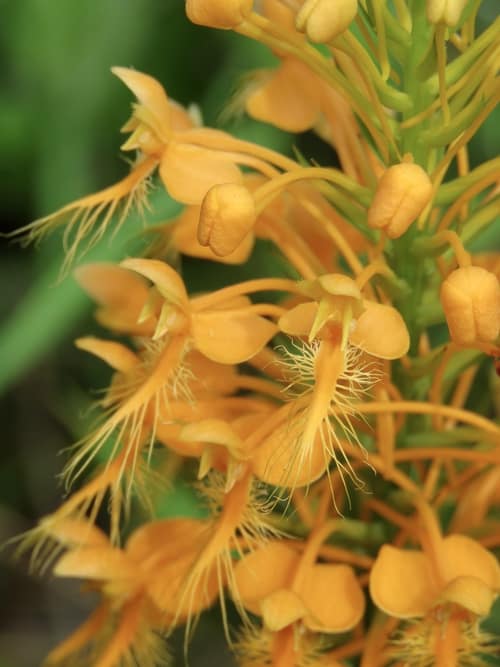
Close Relative (c) Laura Clark, some rights reserved (CC BY), uploaded by Laura Clark · cc-by Image unavailable
Close Relative 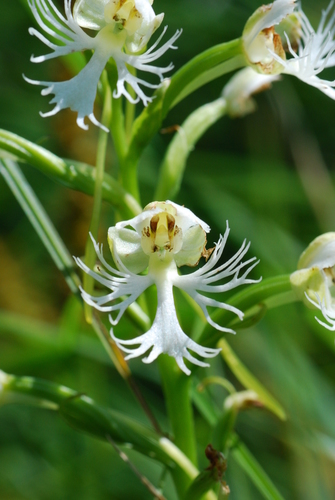
Close Relative (c) Joshua Mayer, some rights reserved (CC BY-SA) · cc-by-sa
Help improve the field guideSomething wrong?
Checking your Fauna account…Report a name, category, or profile issue for review.