
Plant · GBIF taxon 2798080
Orange-fringed Orchid
Platanthera ciliarisAlso known as Yellow Fringed Orchid, Yellow Fringed Orchis, Orange Fringed Orchis
Orange-fringed orchids produce brilliant clusters of fiery orange blossoms, each featuring a lower lip deeply dissected into delicate fringe. These showy perennials rely on large butterflies, particularly swallowtails, whose long proboscises reach the deep nectar spurs while transferring pollen on their eyes. Thriving in open, fire-maintained bogs and wet pine savannas, they depend on periodic fires to clear competing woody brush.
FloweringPollinator-FriendlyFire-Adapted
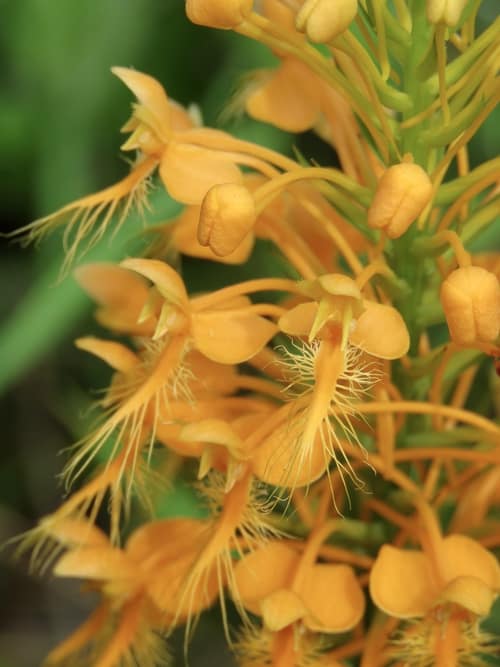
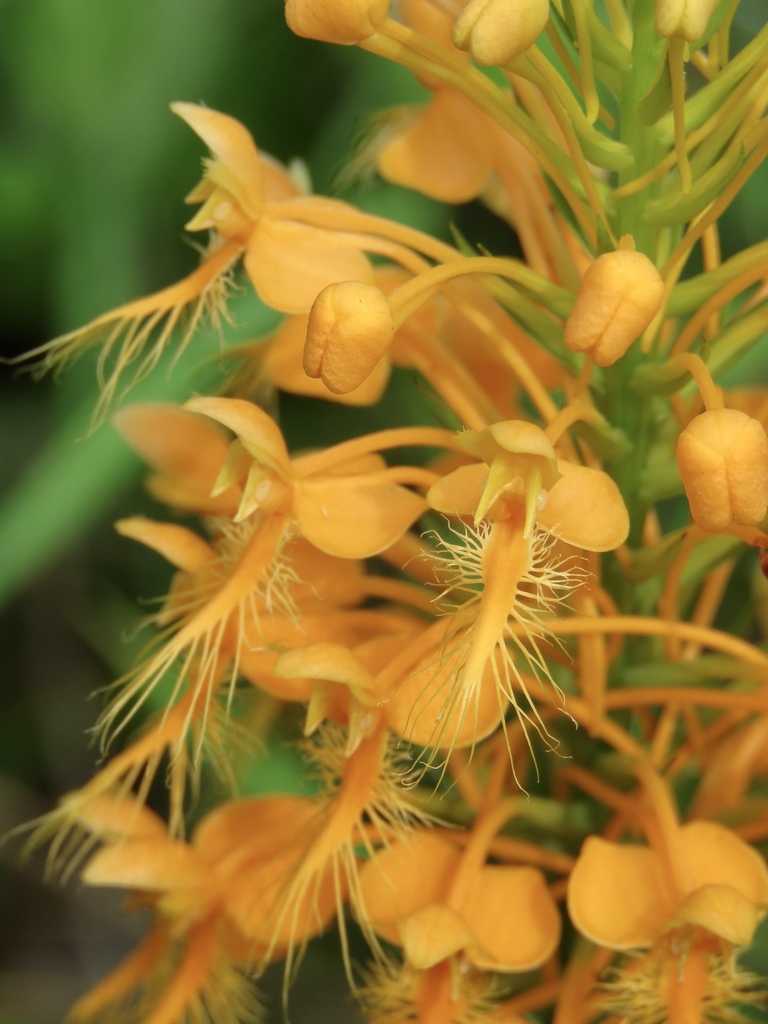 1 / 7
1 / 7—observations
—countries
—peak records
Least ConcernConservation statusIUCN Red List categoriesLCNTVUENCREWEXLeast ConcernRed List categories, explained →
Diet & prey
- Autotrophic (assisted by soil mycorrhizal fungi)
Predators
- White-tailed deer
- Herbivorous insects
- Small rodents
ThreatsFire suppression, wetland drainage, poaching, habitat destruction
HabitatsAcidic bogs, seepage slopes, wet pine savannas, meadow margins
Life spanPerennial (decades via tuberous roots)
Size / weightNot available
Classification
- FamilyOrchidaceae
- SpeciesPlatanthera ciliaris
Range data is not available yet.
Interaction riskLow
- Low
- Moderate
- High
- Very high
- Why interaction risk is low
- Safe to observe at a normal distance.
- What to notice
- Tall spikes of vibrant orange flowers with fringed lower lips blooming from July to August.
- Support conservation
- Enjoy and photograph from existing trails without disturbing soil or harvesting seed pods.
Responsible observation
- Observation: Look for vibrant orange flower spikes in late summer along sunny bog edges.
- Photography: Stay on designated boardwalks to protect delicate peat soils surrounding root systems.
- Protection: Leave wild orchids undisturbed because poached plants rarely survive transplantation.
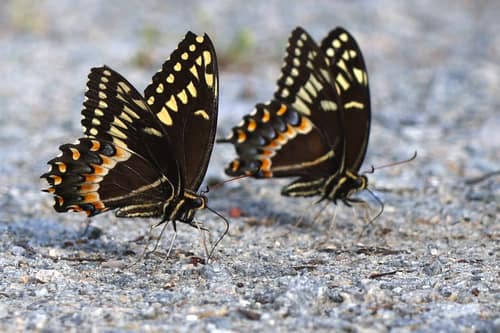
Pollinator (c) Matt Felperin, some rights reserved (CC BY) · cc-by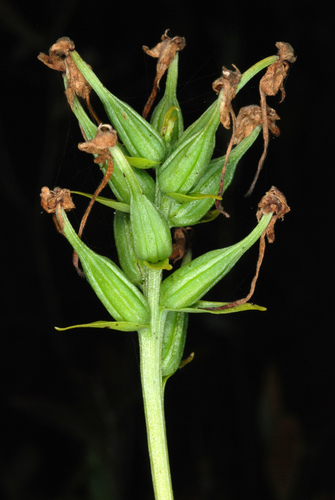
Close Relative (c) Douglas Goldman, some rights reserved (CC BY-SA), uploaded by Douglas Goldman · cc-by-sa Image unavailable
Close Relative Close Relative
Help improve the field guideSomething wrong?
Checking your Fauna account…Report a name, category, or profile issue for review.