
Plant · GBIF taxon 2781074
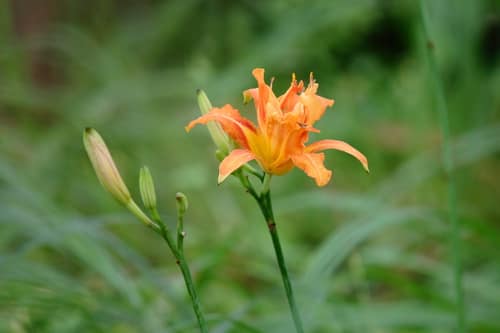
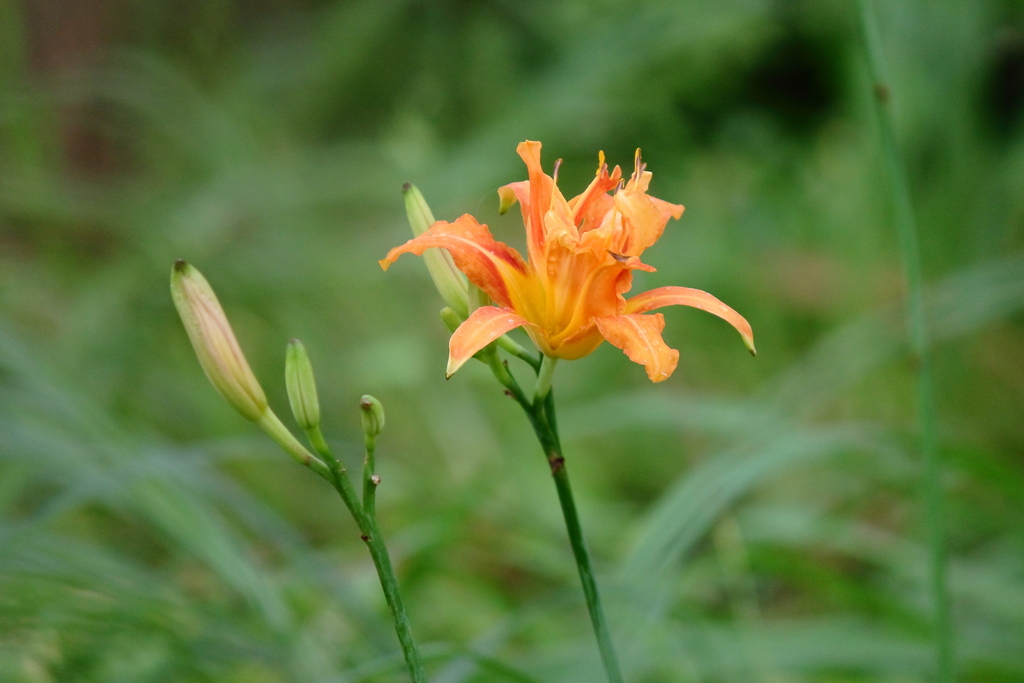
Orange Day-lily
Hemerocallis fulvaAlso known as Tawny Daylily, Ditch Lily, Tiger Daylily, Corn Lily
Orange day-lilies form dense, sprawling colonies through aggressive underground rhizomes, easily dominating roadside ditches and field edges across temperate regions. Each funnel-shaped blossom opens at dawn and fades by dusk, replaced the following morning by a fresh bud on the same leafless stalk. Introduced worldwide as a hardy garden ornamental, it propagates almost entirely through vegetative root spread rather than viable seeds.
PerennialShowy FlowersInvasive Potential
 1 / 7
1 / 7—observations
—countries
—peak records
Not EvaluatedConservation statusIUCN Red List categoriesLCNTVUENCREWEXNot Evaluated — not placed on the risk ladderRed List categories, explained →
Diet & prey
- Autotrophic (Photosynthesis)
Predators
- White-tailed Deer
- Eastern Cottontail
- Slugs and Snails
ThreatsHerbicide applications and habitat loss in native Asian ranges
HabitatsRoadsides, ditch banks, field margins, woodland borders, gardens
Life spanPerennial (clones persist for decades)
Classification
- OrderAsparagales
- FamilyAsphodelaceae
- GenusHemerocallis
- SpeciesHemerocallis fulva
Range data is not available yet.
Interaction riskHigh
- Low
- Moderate
- High
- Very high
- Why interaction risk is high
- Highly toxic to cats if ingested; keep away from pets and do not ingest wild plants.
- Why it is dangerous
- Contains potent nephrotoxins that cause severe and often fatal kidney failure in cats after ingesting any plant part.
- How to recognize a risky encounter
- Distinguished by long strap-like leaves rising directly from tuberous roots and leafless flower stalks topped with orange blooms.
- What to do
- Never bring cut day-lilies into homes with cats, and dispose of garden trimmings where pets cannot access them.
Responsible observation
- Garden Management: Contain root systems in raised beds or borders to prevent aggressive spreading into wild spaces.
- Pet Care: Avoid growing this plant in yards frequented by free-roaming cats or bringing cut blooms indoors.
- Flower Watching: Check stalks daily in midsummer, as individual blossoms wither after twenty-four hours.
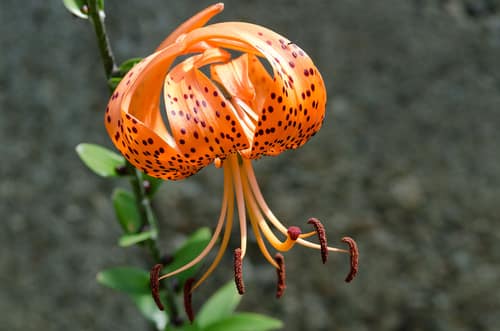
Look-alike Amada44 / CC BY-SA 3.0 · cc-by-sa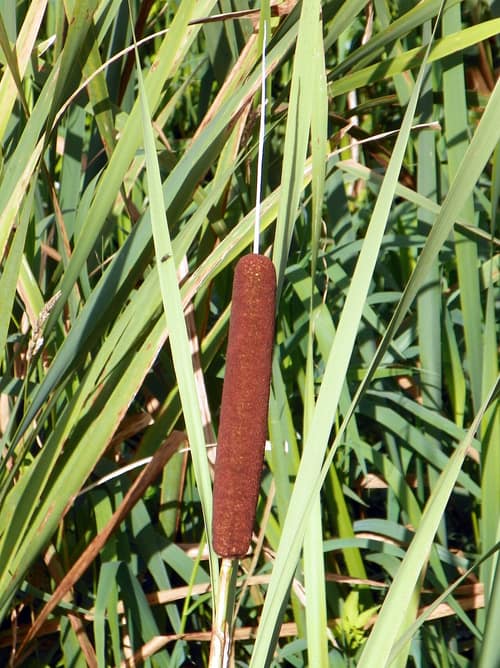
Frequent Companion Peter O'Connor aka anemoneprojectors from Stevenage, United Kingdom / CC BY-SA 2.0 · cc-by-sa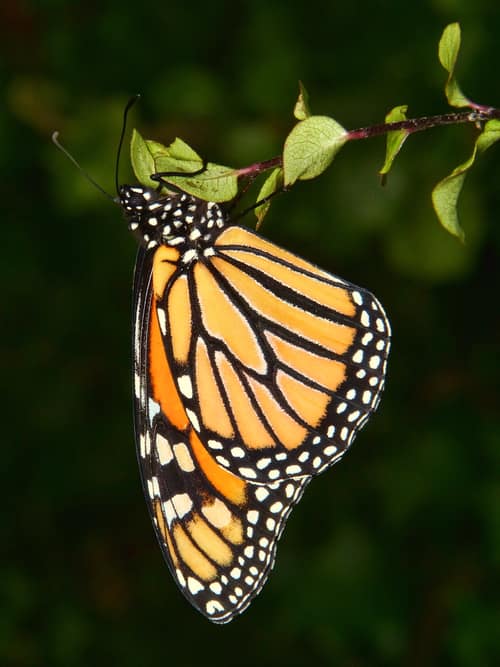
Pollinator Sid Mosdell from New Zealand / CC BY 2.0 · cc-by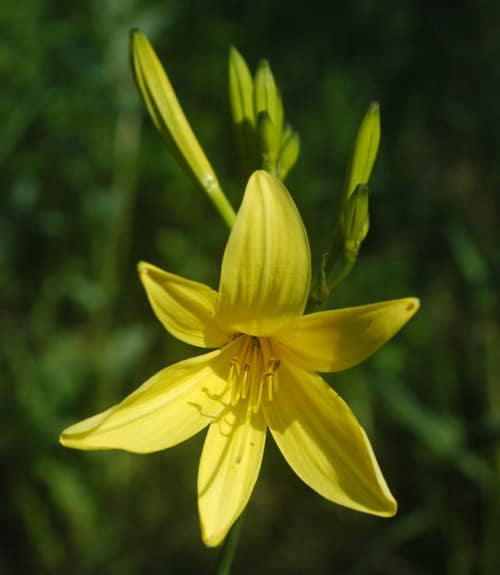
Close Relative Doronenko / CC BY 2.5 · cc-by
Help improve the field guideSomething wrong?
Checking your Fauna account…Report a name, category, or profile issue for review.