
Plant · GBIF taxon 2781045
Citron Day-lily
Hemerocallis citrinaAlso known as Long Yellow Daylily
Citron Day-lily is a clump-forming perennial with arching straplike leaves and tall stems of pale yellow trumpet-shaped flowers. Individual flowers open for a short period, often becoming fragrant toward evening.
Perennial HerbEvening FlowerClumping Leaves
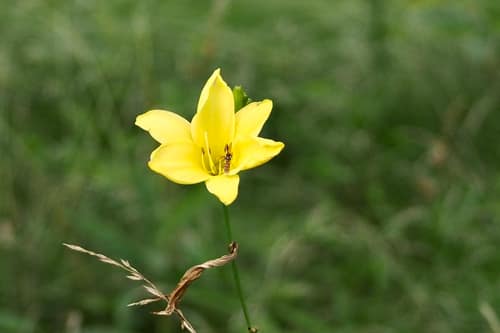
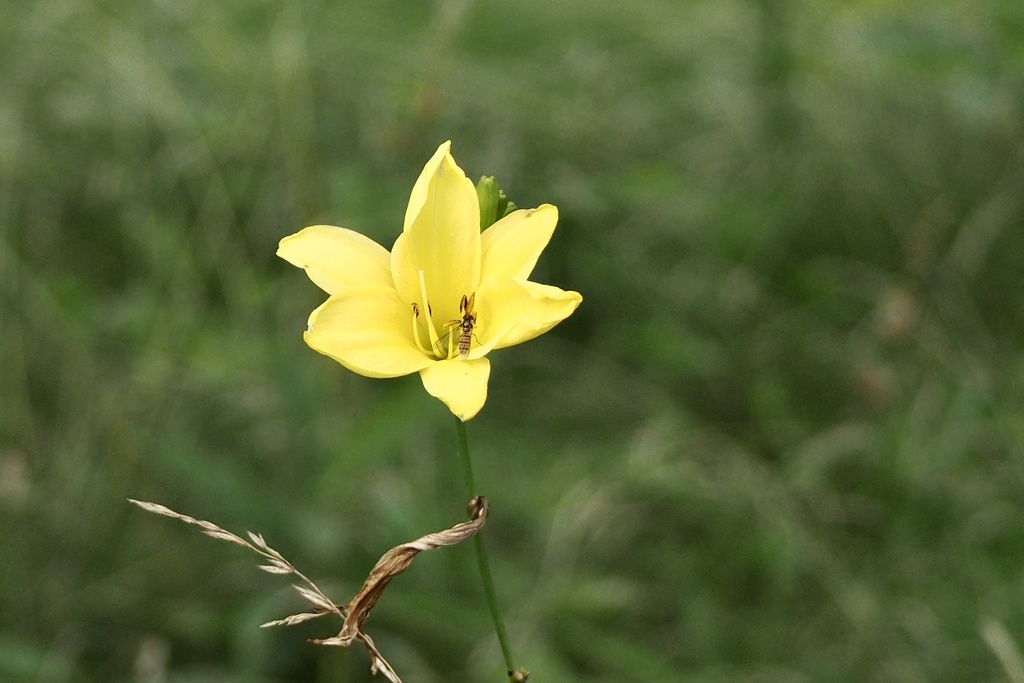
—observations
—countries
—peak records
Not EvaluatedConservation statusIUCN Red List categoriesLCNTVUENCREWEXNot Evaluated — not placed on the risk ladderRed List categories, explained →
Diet & prey
- Photosynthesis; fleshy roots absorb water and mineral nutrients
Predators
- Slugs
- Snails
- Browsing mammals
ThreatsHabitat conversion, overcollection, mowing, and competition from invasive plants
HabitatsMeadows, forest margins, grassy slopes, stream valleys, and cultivation
Life spanPerennial clumps can persist for many years
Size / weightNot available
Classification
- FamilyAsphodelaceae
- SpeciesHemerocallis citrina
Range data is not available yet.
Interaction riskHigh
- Low
- Moderate
- High
- Very high
- Why interaction risk is high
- Daylily tissues are dangerous to cats; do not eat wild plants or allow pets to ingest them.
- Why it is dangerous
- Daylily ingestion can cause acute kidney failure in cats, and wild plants should never be treated as food.
- How to recognize a risky encounter
- Confirm the clumping straplike leaves and pale fragrant trumpets without relying on a common name alone.
- What to do
- Keep pets away, never forage from an identification profile, and contact a veterinarian after feline exposure.
Responsible observation
- Timing: Look for pale trumpets opening late in the day.
- Leaves: View the dense arching clump without pulling stems.
Help improve the field guideSomething wrong?
Checking your Fauna account…Report a name, category, or profile issue for review.