
Plant
Austral Grass-tree
Xanthorrhoea australisAlso known as Southern Grass Tree, Grasstree
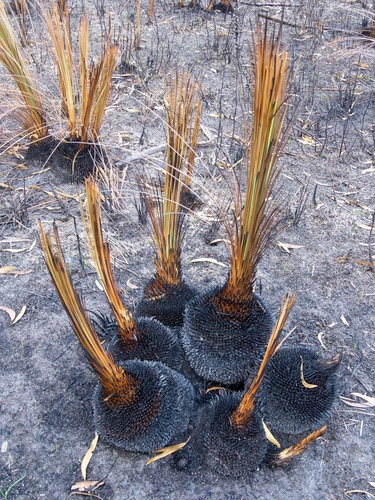
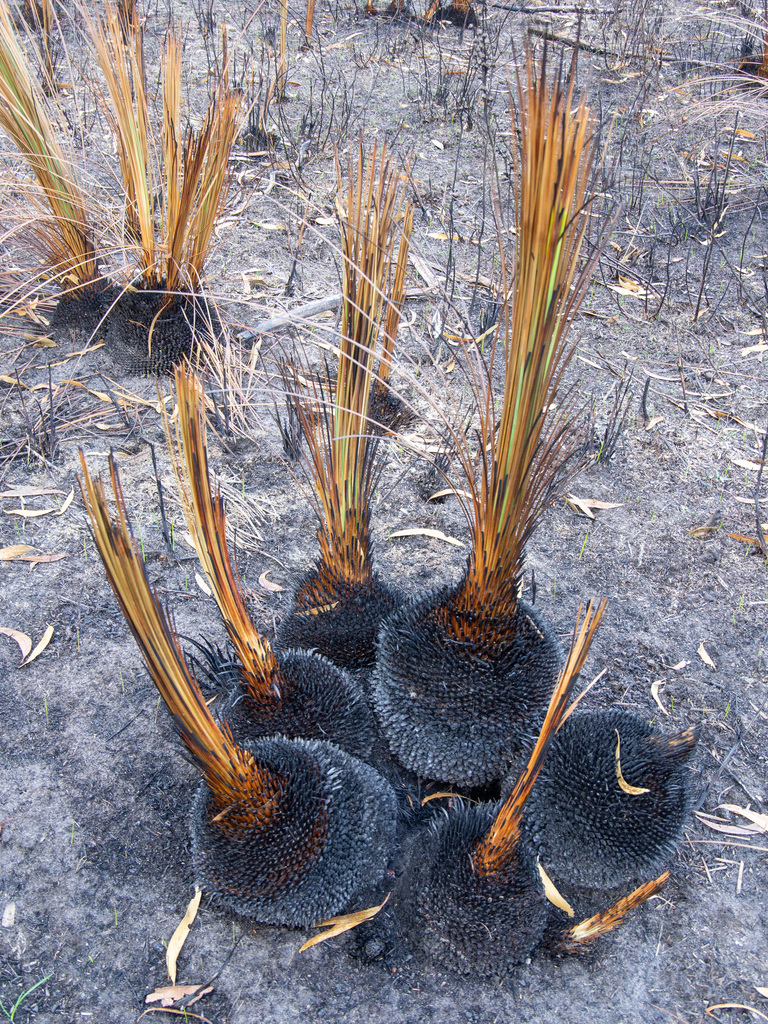
Austral grass-trees are iconic slow-growing monocots whose trunks form from dense, resinous leaf bases glued together over centuries. Bushfires play a vital ecological role, clearing away dead leaf skirts and triggering massive flowering spikes that can shoot up several centimeters a day. The tall flower spikes produce copious nectar, serving as crucial feeding stations for native honeyeaters, lorikeets, and pollinating insects.
Fire-AdaptedSlow-GrowingFlowering
—observations
—countries
—peak records
Least ConcernConservation statusIUCN Red List categoriesLCNTVUENCREWEXLeast ConcernRed List categories, explained →
Diet & preyAutotrophic (photosynthetic)
Predators
- Swamp Wallaby
- Feral Goat
- Long-nosed Potoroo
ThreatsPhytophthora root rot, illegal poaching, land clearance, altered fire regimes
HabitatsEucalypt woodlands, dry sclerophyll forests, coastal heaths
Life spanUp to 350–450 years
Classification
- OrderAsparagales
- FamilyAsphodelaceae
- GenusXanthorrhoea
- SpeciesXanthorrhoea australis
Range data is not available yet.
Interaction riskLow
- Low
- Moderate
- High
- Very high
- Why interaction risk is low
- Safe to observe at a normal distance.
- What to notice
- Look for a thick, fire-blackened trunk crowned by a fountain of narrow, stiff, arching leaves and a tall central flower spike.
- Support conservation
- Never disturb root zones or harvest plants, and always use trail wash stations to prevent transmitting fungal pathogens.
Responsible observation
- Boot Hygiene: Clean soil from boots before hiking to prevent spreading dieback fungus.
- Post-Fire Timing: Look for massive flowering spikes months after controlled burns or bushfires.
- Trail Etiquette: Stay on marked paths to avoid damaging delicate shallow root networks.
 Image unavailable
Pollinator 
Pathogen (c) porkytama, some rights reserved (CC BY), uploaded by porkytama · cc-byFrequent Companion Close Relative
Help improve the field guideSomething wrong?
Checking your Fauna account…Report a name, category, or profile issue for review.