
Plant · GBIF taxon 2778057
Aloe capitata
Aloe capitataAlso known as Head Aloe, Globose Aloe, Capitate Aloe
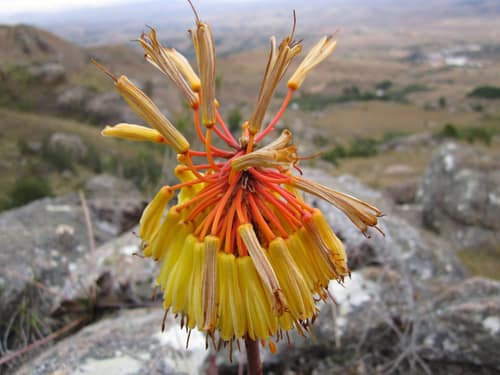
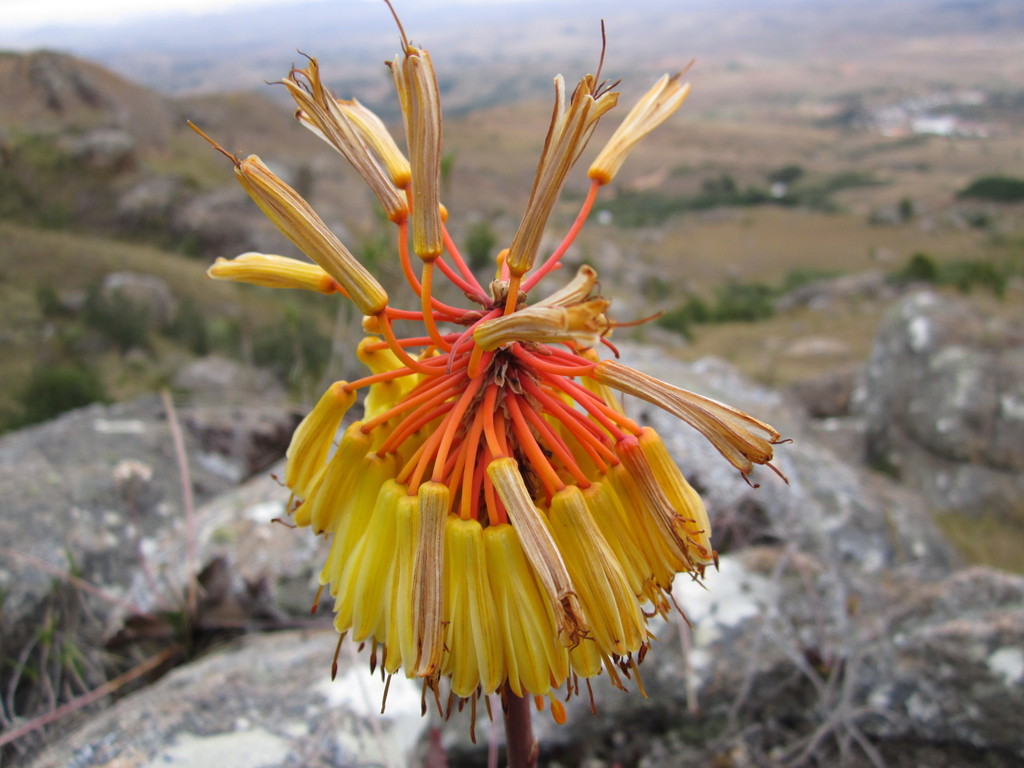
Aloe capitata is a striking Madagascan succulent known for its dense, perfectly globose flower heads that bloom in brilliant shades of yellow and orange. Its thick, blue-green leaves form a neat rosette and are trimmed with distinct reddish teeth along the margins. Thriving on granite inselbergs and exposed quartz outcrops, this resilient species plays a vital ecological role by offering nectar to native pollinators in harsh rocky landscapes.
SucculentMadagascar NativeYellow Flowers
—observations
—countries
—peak records
Least ConcernConservation statusIUCN Red List categoriesLCNTVUENCREWEXLeast ConcernRed List categories, explained →
Diet & prey
- Autotrophic (Photosynthetic)
Predators
- Grazing livestock
- Insect larvae
- Fungal pathogens
ThreatsHabitat loss, wild collection, altered fire regimes
HabitatsGranite inselbergs, quartzitic ridges, exposed rock outcrops
Life span20–50 years
Size / weightNot available
Classification
- FamilyAsphodelaceae
- SpeciesAloe capitata
Range data is not available yet.
Interaction riskHigh
- Low
- Moderate
- High
- Very high
- Why interaction risk is high
- Leaf latex contains aloin, which is toxic to dogs and cats if ingested.
- Why it is dangerous
- Contains leaf latex rich in anthraquinones such as aloin, which causes gastrointestinal distress and vomiting if chewed or consumed by pets.
- How to recognize a risky encounter
- Recognized by its rounded, globe-like yellow flower heads rising above a compact rosette of blue-green spiny leaves.
- What to do
- Avoid puncturing the fleshy leaves, and keep potted specimens safely away from curious pets.
Responsible observation
- Spotting Blooms: Look for spherical yellow or orange flower clusters atop thick stalks during peak blooming season.
- Habitat Viewing: Scan high-altitude granite domes and quartz slopes where colonies anchor into shallow soil crevices.
- Tread Lightly: Stick to established trails when exploring rock faces to prevent damaging delicate root systems.
 Image unavailable
Madagascan Relative Close Relative 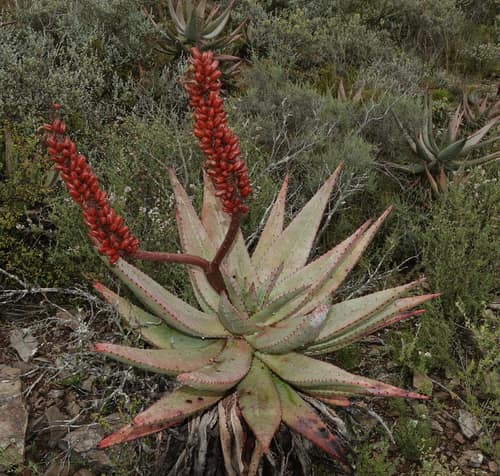
Genus Relative (c) desertnaturalist, some rights reserved (CC BY), uploaded by desertnaturalist · cc-by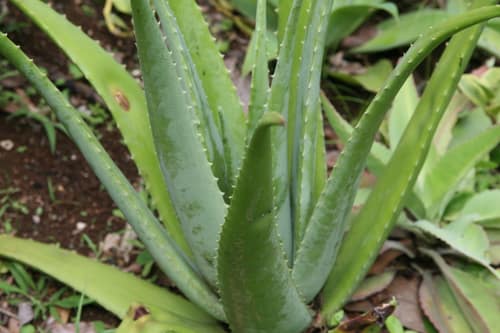
Common Relative (c) Photo by David J. Stang, some rights reserved (CC BY-SA) · cc-by-sa
Help improve the field guideSomething wrong?
Checking your Fauna account…Report a name, category, or profile issue for review.