
Plant
Candelabra Aloe
Aloe arborescensAlso known as Krantz Aloe, Torch Aloe
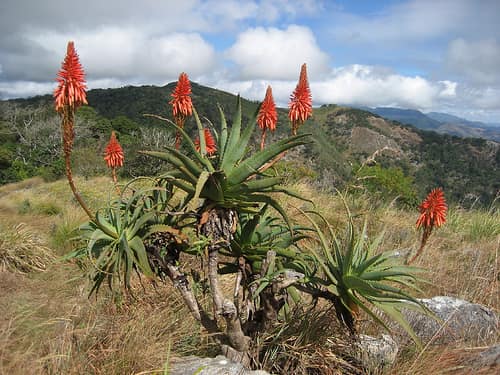
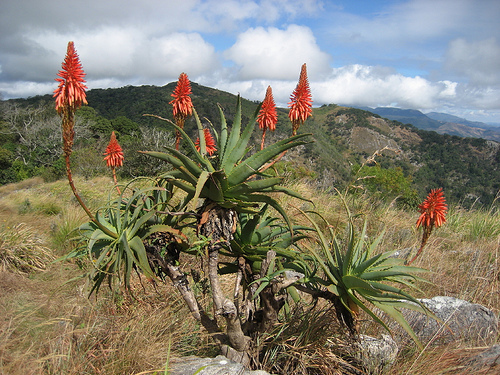
Candelabra aloe forms sprawling, multi-branched thickets topped with dense rosettes of curved, pale-toothed succulent leaves. During midwinter, towering spikes of scarlet or vibrant orange flowers emerge, providing a vital nectar reservoir for birds and insects when few other plants are in bloom. Indigenous to rocky krantzes and coastal scrub across southern Africa, it is widely cultivated for erosion control, living barrier hedges, and winter color.
SucculentWinter-BloomingDrought-Tolerant
—observations
—countries
—peak records
Least ConcernConservation statusIUCN Red List categoriesLCNTVUENCREWEXLeast ConcernRed List categories, explained →
Diet & preySunlight, Water, Soil nutrients
Predators
- Aloe snout beetle
- Baboons
- Goats
ThreatsHabitat clearing and localized overcollection
HabitatsRocky cliffs, coastal scrub, forest margins, and exposed ridges
Life span50 to 100+ years
Classification
- OrderAsparagales
- FamilyAsphodelaceae
- GenusAloe
- SpeciesAloe arborescens
Range data is not available yet.
Interaction riskHigh
- Low
- Moderate
- High
- Very high
- Why interaction risk is high
- Toxic to dogs and cats if ingested; leaves and bitter sap cause digestive upset in pets.
- Why it is dangerous
- Contains bitter aloin and anthraquinone glycosides that induce vomiting, lethargy, and severe diarrhea in domestic dogs and cats.
- How to recognize a risky encounter
- Look for large, sprawling shrubby clumps with arching gray-green leaves bearing pale triangular teeth and erect orange-red torches.
- What to do
- Keep ornamental plantings away from outdoor pets, and wash skin promptly if bitter yellow sap makes contact.
Responsible observation
- Landscape Use: Plant in well-drained, gritty soil under full sun to encourage vigorous winter flowering.
- Handling Precaution: Wear sturdy garden gloves when pruning to avoid scratches from sharp marginal teeth.
- Wildlife Watching: Observe the red floral spikes on sunny winter mornings to spot feeding sunbirds and honeybees.
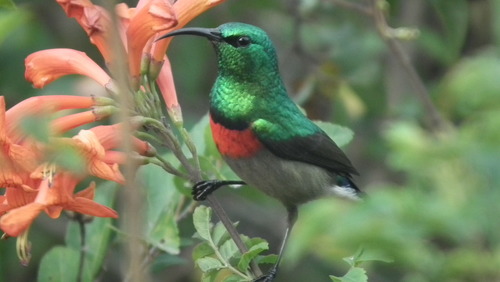
Pollinator (c) Shaun Swanepoel, some rights reserved (CC BY) · cc-by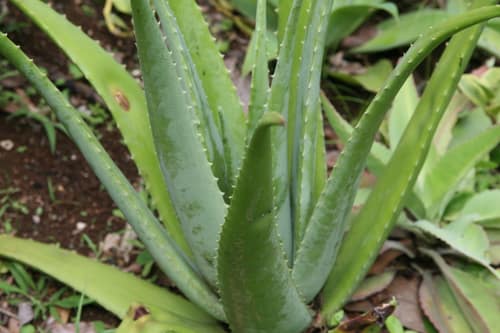
Close Relative (c) Photo by David J. Stang, some rights reserved (CC BY-SA) · cc-by-sa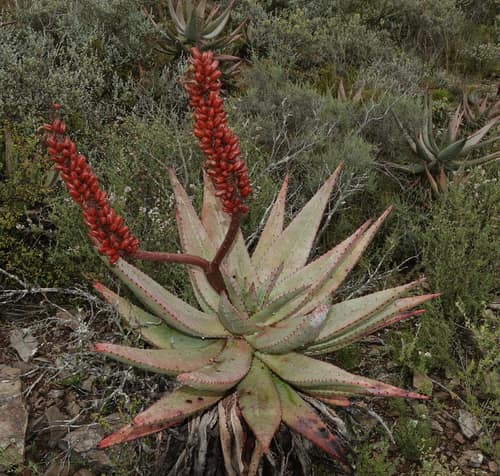
Close Relative (c) desertnaturalist, some rights reserved (CC BY), uploaded by desertnaturalist · cc-by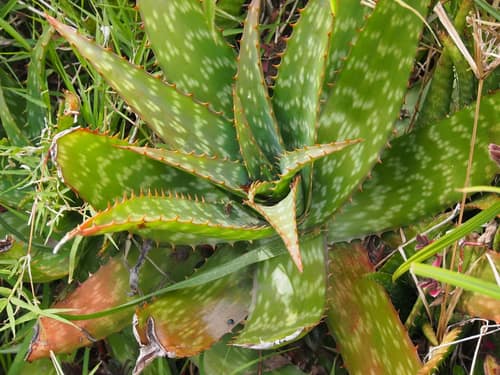
Close Relative (c) Vilseskogen, some rights reserved (CC BY-SA), uploaded by Vilseskogen · cc-by-sa
Help improve the field guideSomething wrong?
Checking your Fauna account…Report a name, category, or profile issue for review.