
Flower
Sea Squill
Drimia maritimaAlso known as Sea Onion, Maritime Squill, Red Squill
Sea squill survives scorching Mediterranean summers by shedding all foliage and storing moisture in a massive, partially exposed underground bulb. In late summer, tall leafless flower spikes erupt from the bare ground bearing hundreds of starry white blossoms that attract diverse bees and flies. Glossy, broad strap-like leaves appear only after autumnal rains, sustaining the bulb's reserves throughout the mild winter before withering again in spring.
MediterraneanBulbousFlowering


—observations
—countries
—peak records
Least ConcernConservation statusIUCN Red List categoriesLCNTVUENCREWEXLeast ConcernRed List categories, explained →
Diet & preyPhotosynthetic autotroph
Predators
- Bulb mites
- Specialized beetles
ThreatsCoastal development, habitat fragmentation, bulb poaching
HabitatsCoastal cliffs, garrigue, sandy dunes, rocky hillsides
Life spanPerennial, living several decades
Classification
- OrderAsparagales
- FamilyAsparagaceae
- GenusDrimia
- SpeciesDrimia maritima
Range data is not available yet.
Interaction riskHigh
- Low
- Moderate
- High
- Very high
- Why interaction risk is high
- All parts contain lethal cardiac glycosides, and handling bruised bulbs causes severe skin blistering.
- Why it is dangerous
- Contains powerful bufadienolide cardiac glycosides that cause vomiting, cardiac arrhythmias, and potential heart failure, alongside calcium oxalate raphides that induce intense skin blistering.
- How to recognize a risky encounter
- Recognized by giant exposed reddish-brown or green bulbs and tall, leafless white flowering spikes blooming in arid late-summer landscapes.
- What to do
- Avoid touching the raw bulb, broken stems, or sap, and never ingest any part of the plant.
Responsible observation
- Observation distance: Admire flower stalks from a slight distance without handling any plant parts.
- Contact precaution: Wear heavy gloves if cleaning or moving wild-growing bulbs in gardens to avoid intense rashes.
- Pet safety: Keep dogs away from uncovered bulbs, as chewed tissues cause rapid heart irregularities.
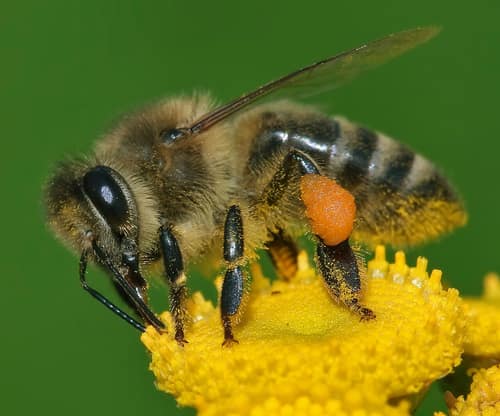
Pollinator Andreas Trepte / CC BY-SA 2.5 · cc-by-sa
Frequent Companion (c) Aissa Djamel Filali, some rights reserved (CC BY-SA), uploaded by Aissa Djamel Filali · cc-by-sa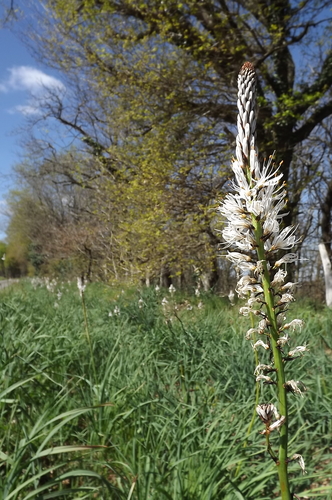
Competitor no rights reserved · cc0
Help improve the field guideSomething wrong?
Checking your Fauna account…Report a name, category, or profile issue for review.