
Plant · GBIF taxon 2774115
Black Mondo Grass
Ophiopogon planiscapusAlso known as Black Lilyturf, Mondo Grass, Ebony Knight Ophiopogon
Black mondo grass forms striking, arching tufts of narrow strap-shaped foliage that is plain green in the wild species but, in the popular cultivar 'Nigrescens', famously turns near jet-black in full sun. In midsummer, nodding pale violet to white bell-shaped blossoms rise on short stalks nestled among the leaves, eventually ripening into glossy, dark purple berry-like seeds. Spreading slowly via underground stolons and rhizomes, this tough evergreen understory perennial carpets shady woodland slopes and modern garden borders alike.
EvergreenOrnamentalShade Tolerant
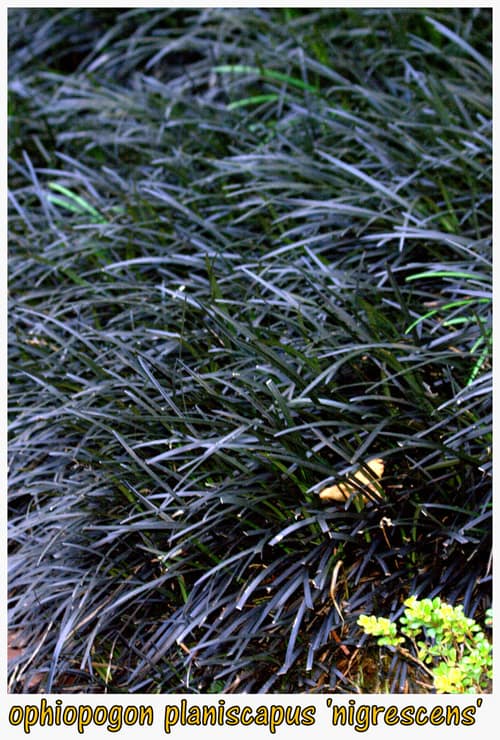
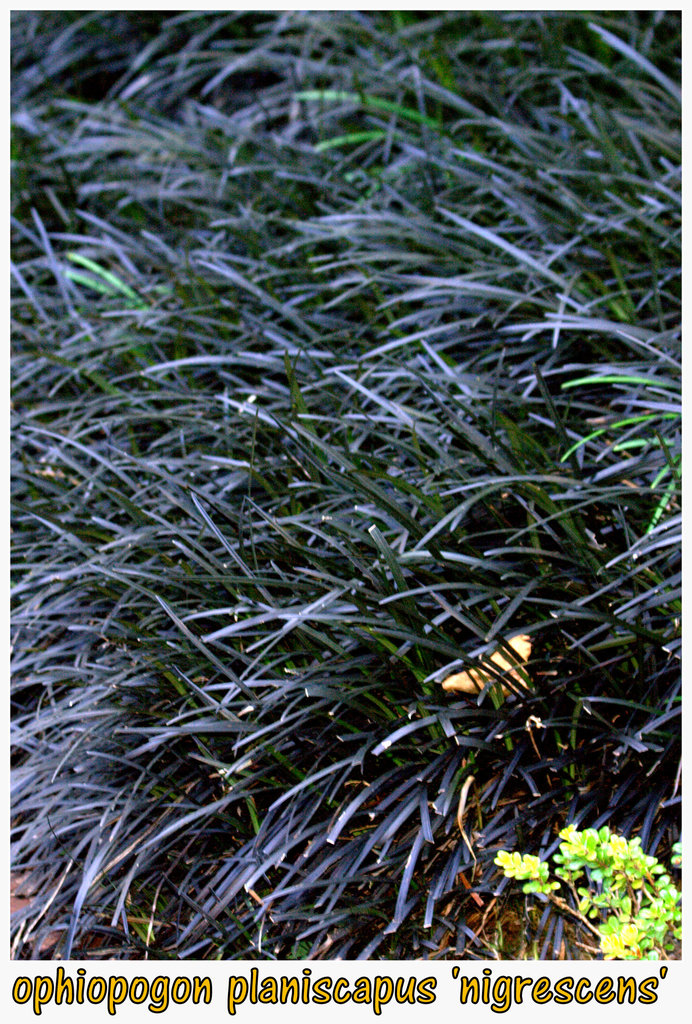
—observations
—countries
—peak records
Not EvaluatedConservation statusIUCN Red List categoriesLCNTVUENCREWEXNot Evaluated — not placed on the risk ladderRed List categories, explained →
Diet & prey
- Autotrophic (photosynthesis)
Predators
- Garden snails
- Slugs
ThreatsSlugs, snails, and crown rot in poorly draining soils
HabitatsTemperate woodland slopes, forest edges, and cultivated gardens
Life span10–20 years
Classification
- OrderAsparagales
- FamilyAsparagaceae
- GenusOphiopogon
- SpeciesOphiopogon planiscapus
Range data is not available yet.
Interaction riskHigh
- Low
- Moderate
- High
- Very high
- Why interaction risk is high
- Berries contain saponins toxic to pets if ingested; wild berries have toxic look-alikes, never ingest.
- Why it is dangerous
- Contains steroidal saponins that cause mild to moderate nausea, vomiting, and diarrhea when ingested by pets or children.
- How to recognize a risky encounter
- Recognized by ribbon-like black-purple evergreen leaves and shiny, pea-sized blue-black seeds clustered low on stalks.
- What to do
- Plant out of reach of domestic pets, and wear gardening gloves if dividing clumps to prevent mild skin sensitivity.
Responsible observation
- Sun Exposure: Plant in partial to full sun in temperate zones to develop the deepest black foliage color.
- Soil Moisture: Provide well-drained, humus-rich soil to prevent root and crown rot during wet winter months.
- Pet Safety: Keep curious cats and dogs from grazing on the fleshy autumn berries.
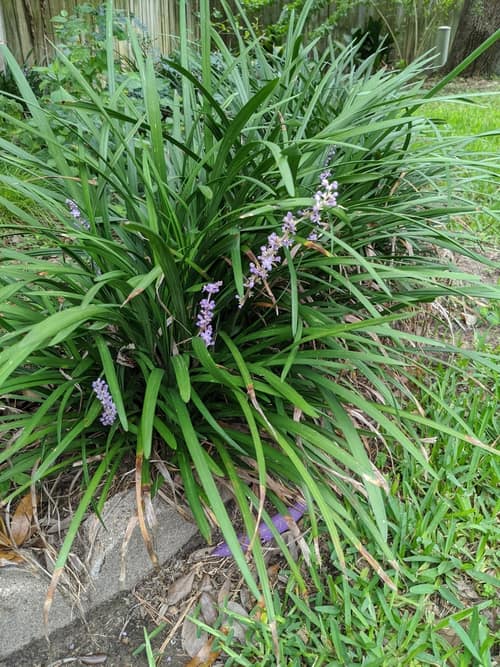
Look-alike (c) scohlendorf, some rights reserved (CC BY), uploaded by scohlendorf · cc-by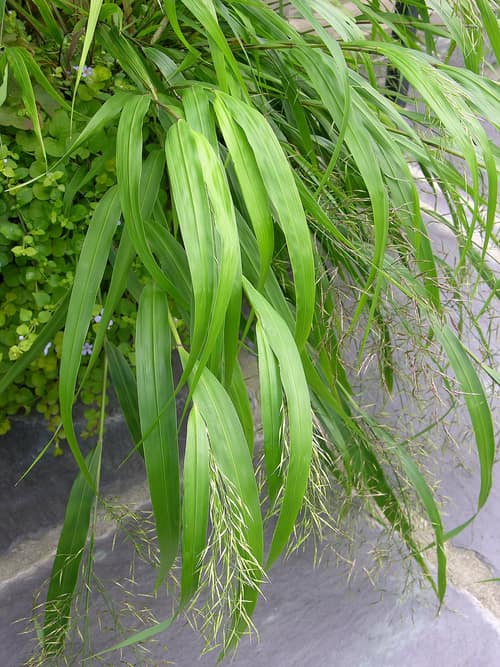
Frequent Companion Photo by and (c)2006 Derek Ramsey (Ram-Man). Location credit to the Chanticleer Garden. / CC BY-SA 3.0 · cc-by-sa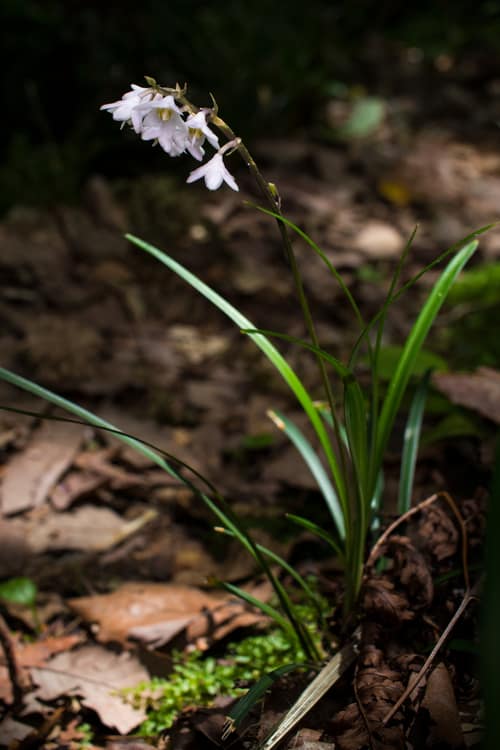
Close Relative (c) raibums, some rights reserved (CC BY), uploaded by raibums · cc-by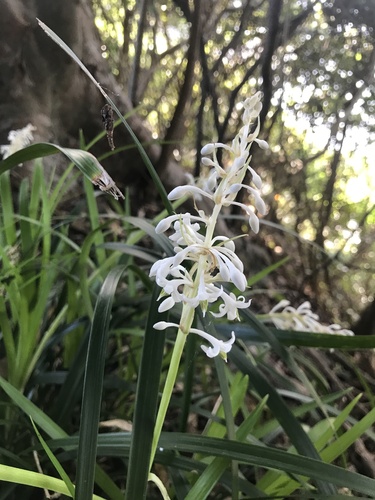
Close Relative no rights reserved · cc0
Help improve the field guideSomething wrong?
Checking your Fauna account…Report a name, category, or profile issue for review.