
Plant
Hyacinth
Hyacinthus orientalisAlso known as Garden Hyacinth, Dutch Hyacinth, Common Hyacinth
Common hyacinths produce dense spikes of sweet-scented, bell-shaped flowers in vibrant shades of blue, purple, pink, white, and red during early spring. Emerging from subterranean bulbs, their fleshy, glossy leaves frame a central flower stalk that attracts early-emerging queen bumblebees and other pollinators. Widely naturalized and prized in horticulture, these resilient geophytes thrive in well-drained soils across temperate garden landscapes.
FloweringFragrantSpring Bloom
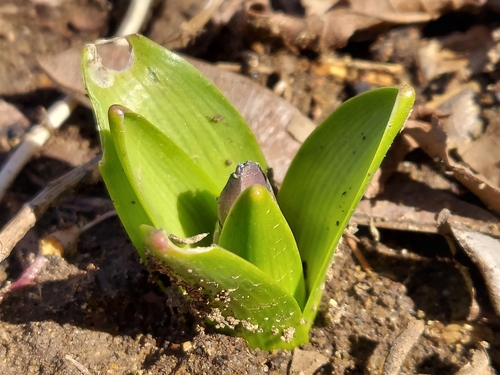
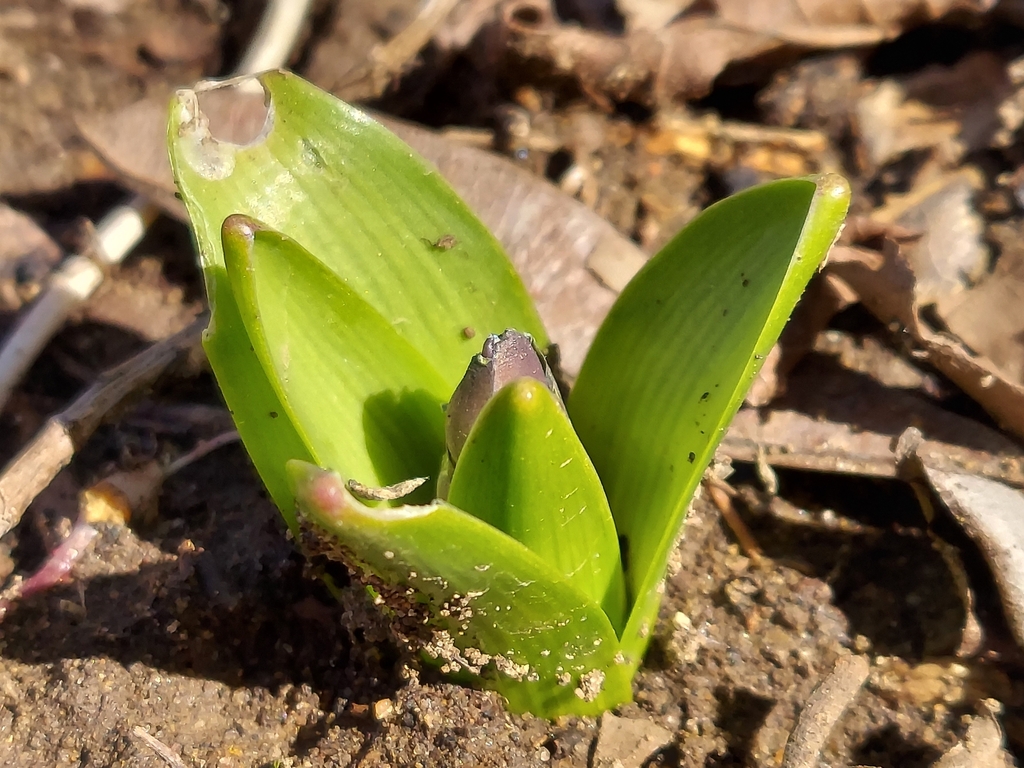
—observations
—countries
—peak records
Not EvaluatedConservation statusIUCN Red List categoriesLCNTVUENCREWEXNot Evaluated — not placed on the risk ladderRed List categories, explained →
Diet & preyAutotrophic (Photosynthetic)
Predators
- Slugs
- Snails
- Voles
ThreatsHabitat degradation in native range, bulb rot, and fungal pathogens
HabitatsRocky slopes, garrigue, scrublands, temperate gardens, and parks
Life spanPerennial (bulbs survive for many years)
Classification
- OrderAsparagales
- FamilyAsparagaceae
- GenusHyacinthus
- SpeciesHyacinthus orientalis
Range data is not available yet.
Interaction riskHigh
- Low
- Moderate
- High
- Very high
- Why interaction risk is high
- Bulbs contain toxic calcium oxalate crystals and lycorine; wear gloves when handling and keep away from pets.
- Why it is dangerous
- Bulbs contain calcium oxalate crystals and toxic alkaloids like lycorine, causing severe stomach upset if eaten and skin inflammation on contact.
- How to recognize a risky encounter
- Look for dense, tubular flower clusters rising above glossy, strap-like green leaves springing directly from a rounded subterranean bulb.
- What to do
- Wear gloves when planting bulbs to prevent contact dermatitis, and position plants safely away from curious pets and young children.
Responsible observation
- Planting Depth: Plant bulbs in autumn roughly 10–15 cm deep in well-draining soil with pointed tips facing upward.
- Handling Caution: Wear gardening gloves when handling bulbs to prevent skin irritation caused by oxalic acid crystals.
- Light Exposure: Place in full sun to partial shade for optimal flower density and vibrant bloom color.
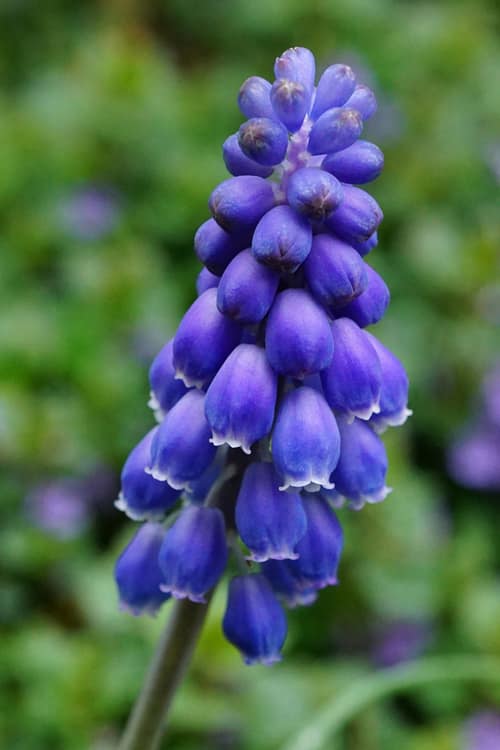
Similar Appearance (c) Patrick Hacker, some rights reserved (CC BY), uploaded by Patrick Hacker · cc-by
Spring Companion (c) nalagtus, some rights reserved (CC BY-SA) · cc-by-sa Image unavailable
Close Relative 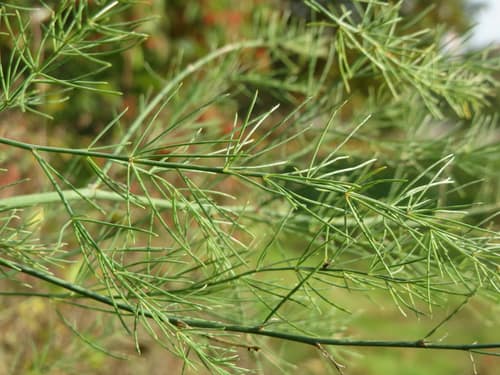
Family Member (c) Andreas Rockstein, some rights reserved (CC BY-SA) · cc-by-sa
Help improve the field guideSomething wrong?
Checking your Fauna account…Report a name, category, or profile issue for review.