
Flower
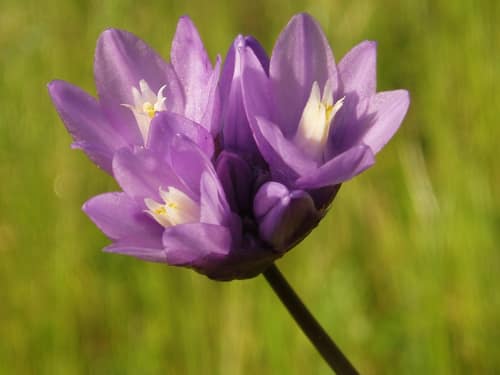
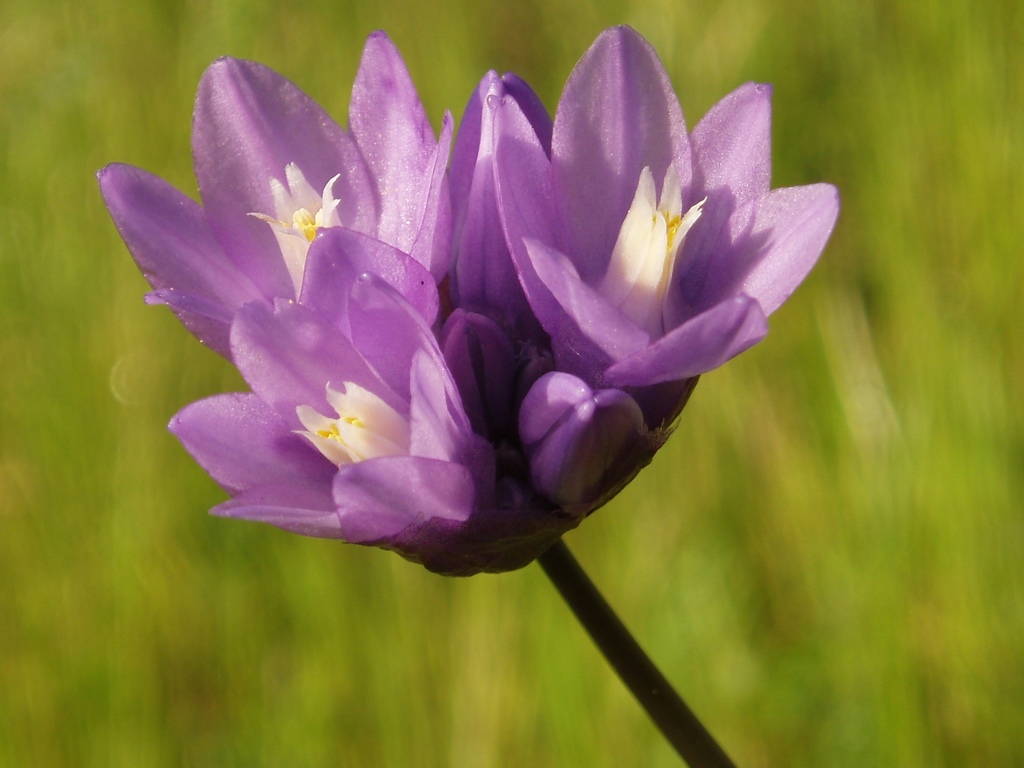
Blue Dicks
Dipterostemon capitatusAlso known as Wild Hyacinth, Purplehead, Brodiaea
Blue dicks send up tall, leafless flower stalks topped with tight clusters of violet-blue, bell-shaped blooms each spring across western North America. Underground, starchy corms allow the plants to survive summer drought and seasonal wildfires, sprouting rapidly when winter rains return. Bees, butterflies, and hummingbirds visit the nectar-rich flowers, while pocket gophers and other burrowing mammals forage on the corms below ground.
WildflowerPerennialDrought-tolerant
—observations
—countries
—peak records
Not EvaluatedConservation statusIUCN Red List categoriesLCNTVUENCREWEXNot Evaluated — not placed on the risk ladderRed List categories, explained →
Diet & preySunlight, Water, Soil minerals
Predators
- Pocket gophers
- Mule deer
- Rabbits
ThreatsHabitat loss from urban development, invasive grasses, and overgrazing
HabitatsCoastal sage scrub, chaparral, oak woodlands, grasslands, and desert scrub in the Western United States and northwest Mexico
Life spanPerennial; corms persist for many years
Classification
- FamilyAsparagaceae
- SpeciesDipterostemon capitatus
Range data is not available yet.
Interaction riskLow
- Low
- Moderate
- High
- Very high
- Why interaction risk is low
- Safe to observe at a normal distance.
Responsible observation
- Bloom Timing: Look for tall violet-blue flower heads from late winter through spring after rainy periods.
- Key Feature: Notice the two dark purple, papery bracts cupping the base of each flower cluster.
- Leave Corms Intact: Avoid digging or picking stems so underground corms can store energy for next year.
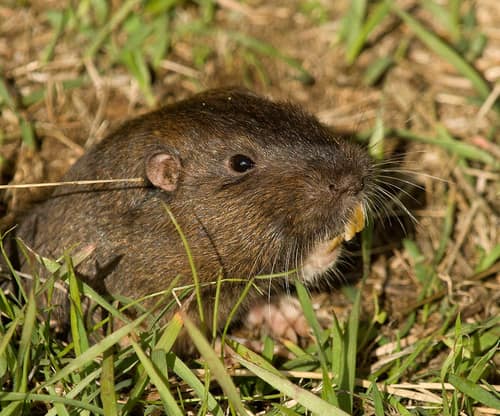
Predator Chuck Abbe / CC BY 2.0 · cc-by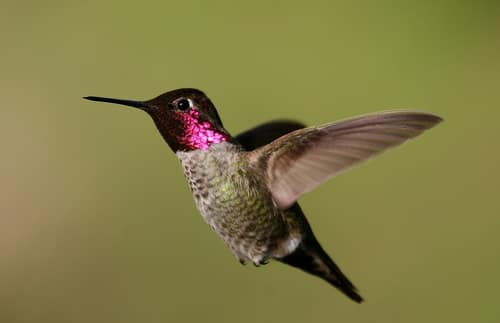
Pollinator Robert McMorran, United States Fish and Wildlife Service / Public domain · cc0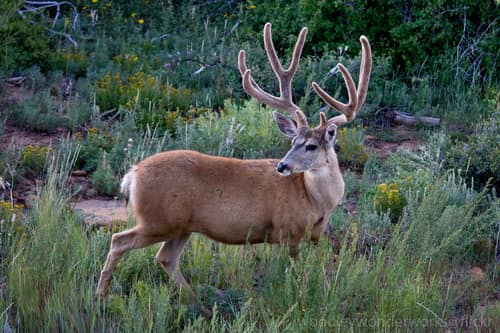
Predator "ten point mule deer buck" by woodleywonderworks is licensed under CC BY 2.0. To view a copy of this license, visit https://creativecommons.org/licenses/by/2.0/. · cc-by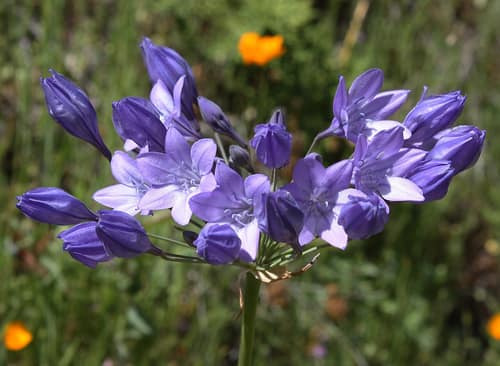
Same Family First Light (talk) / CC BY 3.0 · cc-by Image unavailable
Same Family
Help improve the field guideSomething wrong?
Checking your Fauna account…Report a name, category, or profile issue for review.