
Plant · GBIF taxon 2771145
hosta fortunei
hosta fortuneiAlso known as Fortune's Plantain Lily, Gold-Edged Plantain Lily, Plantain Lily
Fortune's hosta forms dense, mounding clumps of broad, heart-shaped leaves that bring lush texture to shaded garden understories. In midsummer, tall leafless scapes rise above the foliage to display bell-shaped, pale lavender flowers that attract bumblebees and hummingbirds. The plant dies back completely to underground rhizomes each autumn before re-emerging with fresh foliage in early spring.
Shade TolerantPerennialOrnamental
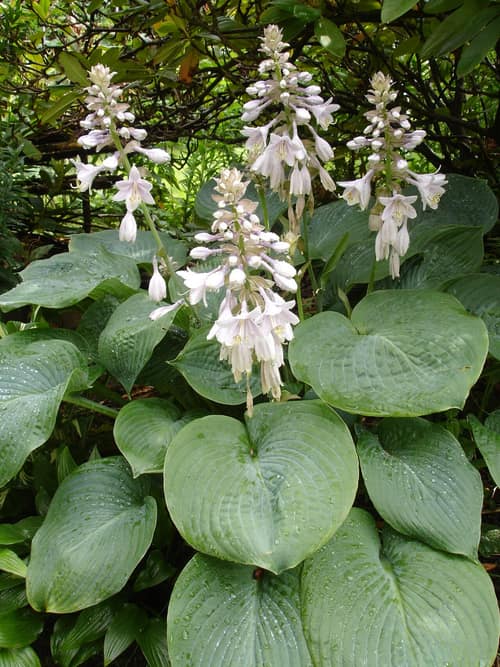
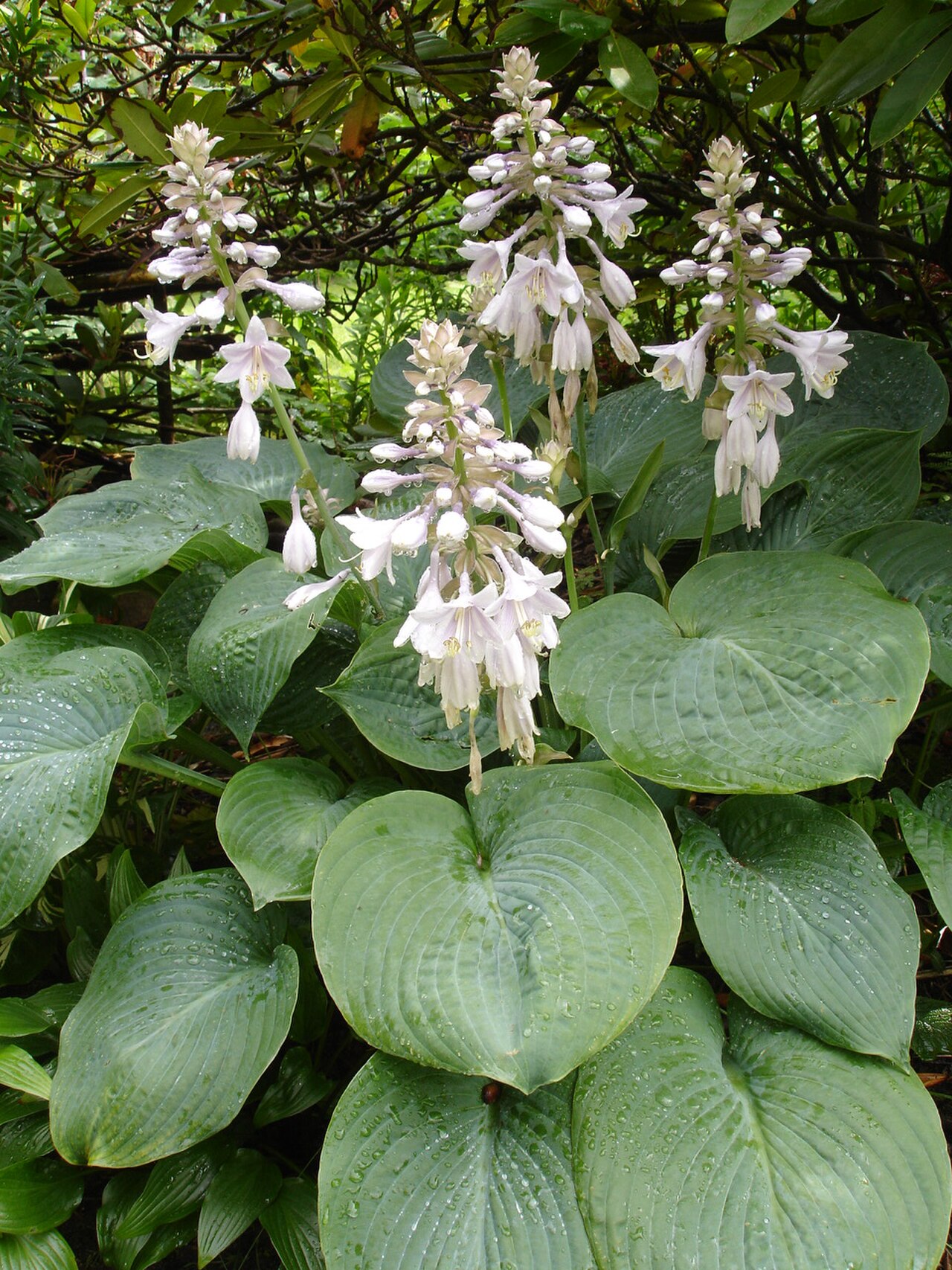
Licensed referenceEpibase / CC BY 2.5 · cc-by
—observations
—countries
—peak records
Not EvaluatedConservation statusIUCN Red List categoriesLCNTVUENCREWEXNot Evaluated — not placed on the risk ladderRed List categories, explained →
Diet & prey
- Autotrophic (Photosynthesis)
Predators
- White-Tailed Deer
- Garden Slugs
- Snails
ThreatsSlugs, Snails, Deer Browsing, Hosta Virus X
HabitatsTemperate Gardens, Woodland Understories, Moist Shaded Slopes
Life span20 to 30+ years
Size / weightNot available
Classification
- OrderAsparagales
- FamilyAsparagaceae
- GenusHosta
- Specieshosta fortunei
Range data is not available yet.
Interaction riskHigh
- Low
- Moderate
- High
- Very high
- Why interaction risk is high
- Toxic to dogs and cats if ingested; keep domestic pets from chewing the leaves.
- Why it is dangerous
- Contains saponins that cause gastrointestinal distress, vomiting, diarrhea, and lethargy in dogs and cats when ingested.
- How to recognize a risky encounter
- Recognized by broad, heavily veined heart-shaped leaves and tall summer stalks carrying pale lavender bell-shaped blooms.
- What to do
- Keep domestic pets from grazing on foliage and position plants out of reach of dogs and cats.
Responsible observation
- Shade Placement: Plant in partial to full shade with moist, rich, well-draining soil to prevent sun scorch.
- Pest Defense: Protect emerging spring foliage from slugs, snails, and deer using physical barriers or repellent.
- Division Management: Divide dense root clumps in early spring or autumn to rejuvenate older plants.
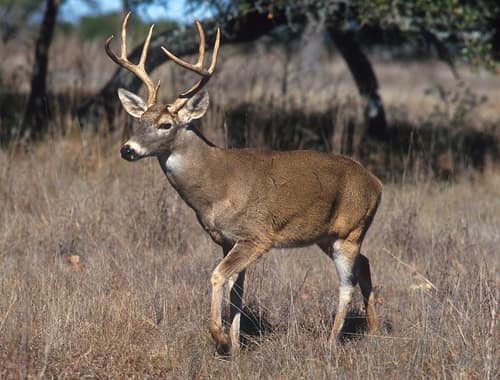
Herbivore USDA photo by Scott Bauer / Public domain · cc0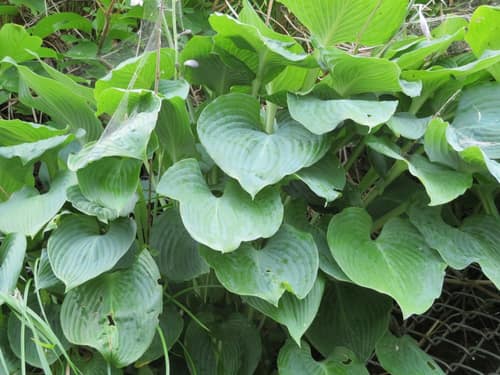
Close Relative (c) Marco Mussita, some rights reserved (CC BY), uploaded by Marco Mussita · cc-by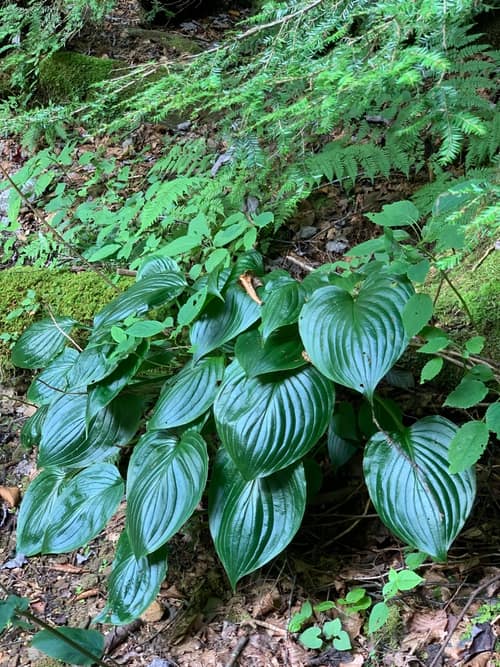
Close Relative (c) Sara Patton, some rights reserved (CC BY) · cc-by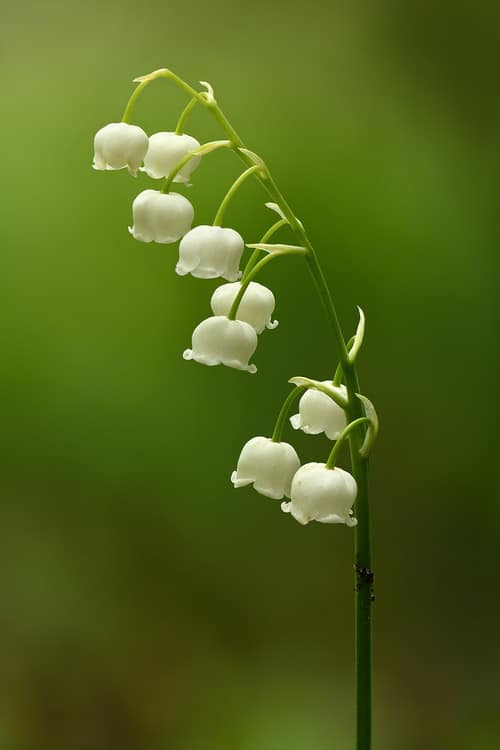
Family Member Ivar Leidus / CC BY-SA 4.0 · cc-by-sa
Help improve the field guideSomething wrong?
Checking your Fauna account…Report a name, category, or profile issue for review.