
Plant · GBIF taxon 2771042
Red Yucca
Hesperaloe parvifloraAlso known as Hummingbird Yucca, Redflower False Yucca, Samandoque
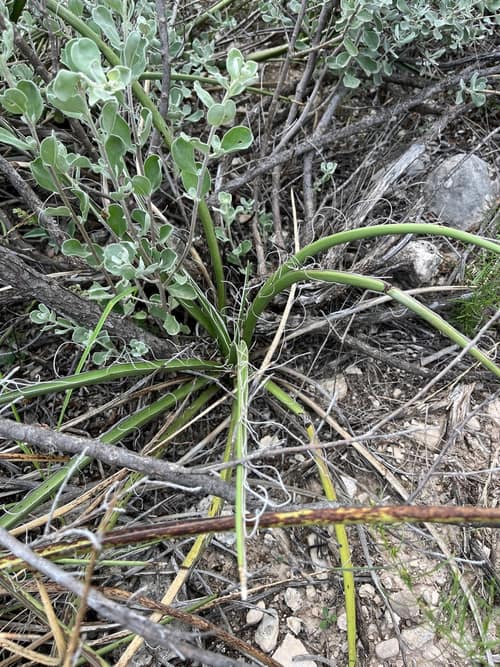
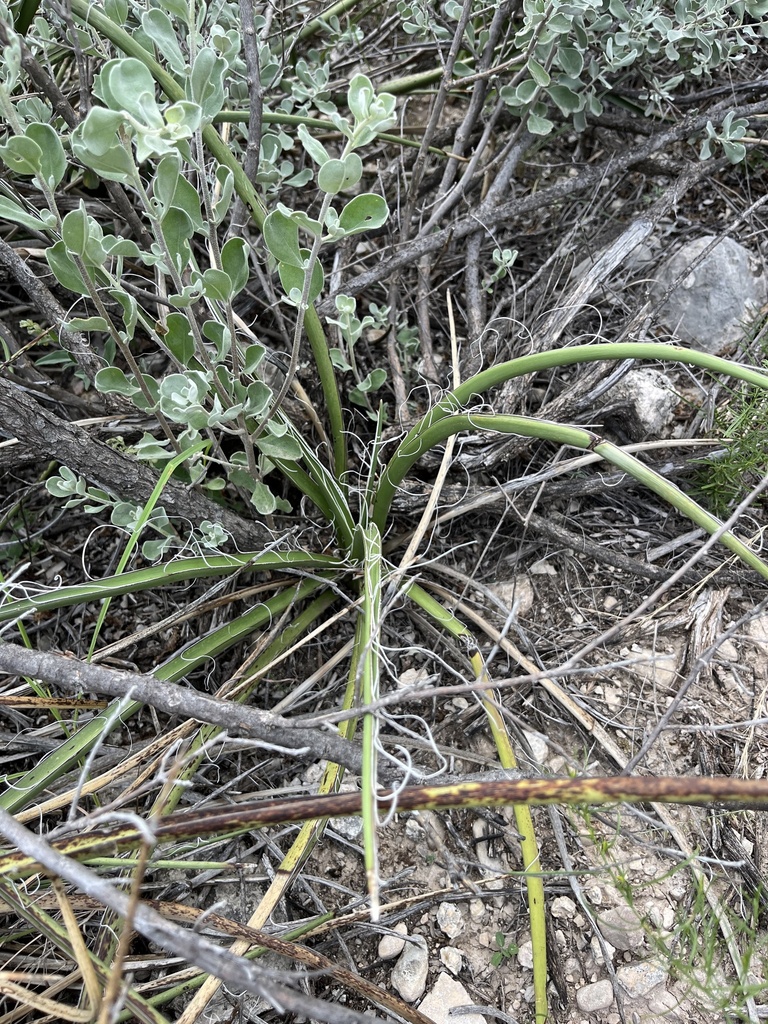
Red yucca produces arching, evergreen clumps of leathery, thread-margined leaves that send up tall flower spikes from late spring into summer. Coral-red to pink tubular blossoms open progressively along towering stalks, offering a vital nectar source for migrating hummingbirds and native bees. Despite its common name, it is not a true yucca, though it shares the same extraordinary drought tolerance and desert hardiness.
SucculentDrought TolerantAttracts Hummingbirds
—observations
—countries
—peak records
Not EvaluatedConservation statusIUCN Red List categoriesLCNTVUENCREWEXNot Evaluated — not placed on the risk ladderRed List categories, explained →
Diet & prey
- Photosynthetic
Predators
- White-tailed Deer
- Javelinas
- Desert Cottontails
ThreatsHabitat loss, over-watering in cultivated settings, deer grazing on young bloom stalks
HabitatsChihuahuan Desert scrub, rocky limestone hills, arid grasslands, xeriscape gardens
Life span15–30+ years
Classification
- OrderAsparagales
- FamilyAsparagaceae
- GenusHesperaloe
- SpeciesHesperaloe parviflora
Range data is not available yet.
Interaction riskLow
- Low
- Moderate
- High
- Very high
- Why interaction risk is low
- Safe to observe at a normal distance.
Responsible observation
- Location: Look for dramatic tall flower stalks in full sun along desert trails, parks, and xeriscapes.
- Hummingbird Watching: Stand quietly nearby during summer mornings to observe foraging hummingbirds.
- Garden Care: Plant in well-draining soil and avoid overwatering to prevent root rot.
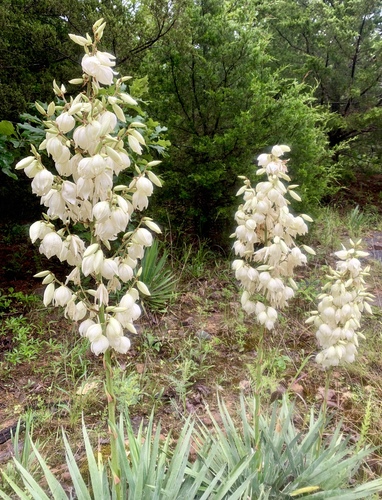
Look-alike (c) Conway Hawn, some rights reserved (CC BY) · cc-by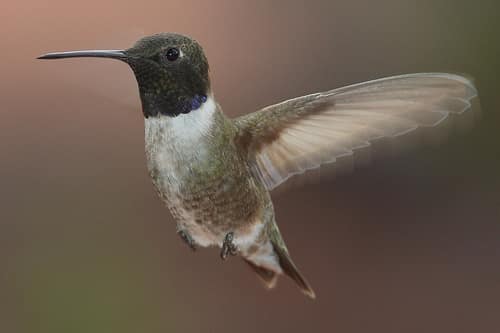
Pollinator Wikimedia Commons / CC BY-SA 3.0 · cc-by-sa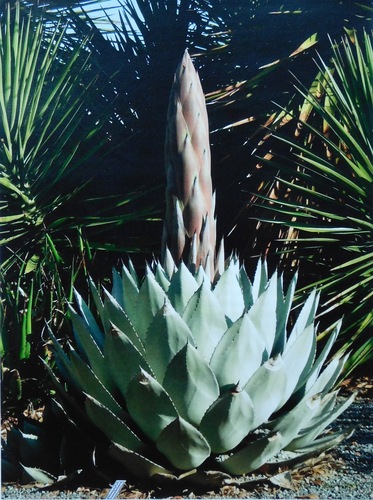
Desert Companion (c) Michael J. Papay, some rights reserved (CC BY), uploaded by Michael J. Papay · cc-by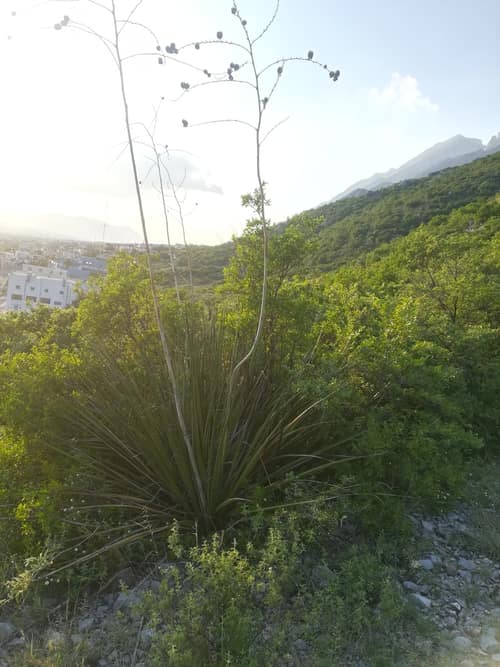
Close Relative (c) Francisco Martínez González, some rights reserved (CC BY-SA), uploaded by Francisco Martínez González · cc-by-sa
Help improve the field guideSomething wrong?
Checking your Fauna account…Report a name, category, or profile issue for review.