
Plant
Sprenger's Asparagus
Asparagus densiflorusAlso known as Asparagus Fern, Emerald Fern, Plume Fern, Foxtail Fern
Sprenger's asparagus forms dense, cascading clumps of feathery green stems that are actually modified flattened branches called cladodes. Clusters of tiny white or pinkish-white flowers bloom during spring and summer, giving way to bright red fleshy berries that birds readily disperse. Tubers along the underground root system store water, allowing the plant to thrive through severe droughts and outcompete native ground cover.
EvergreenInvasiveOrnamental
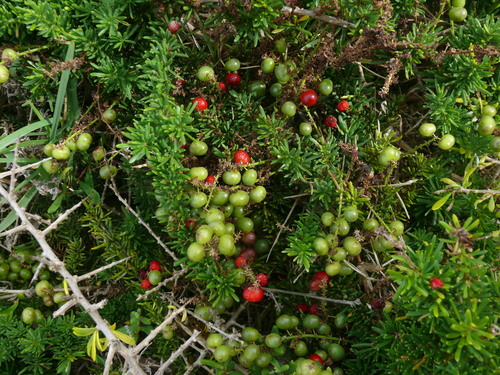
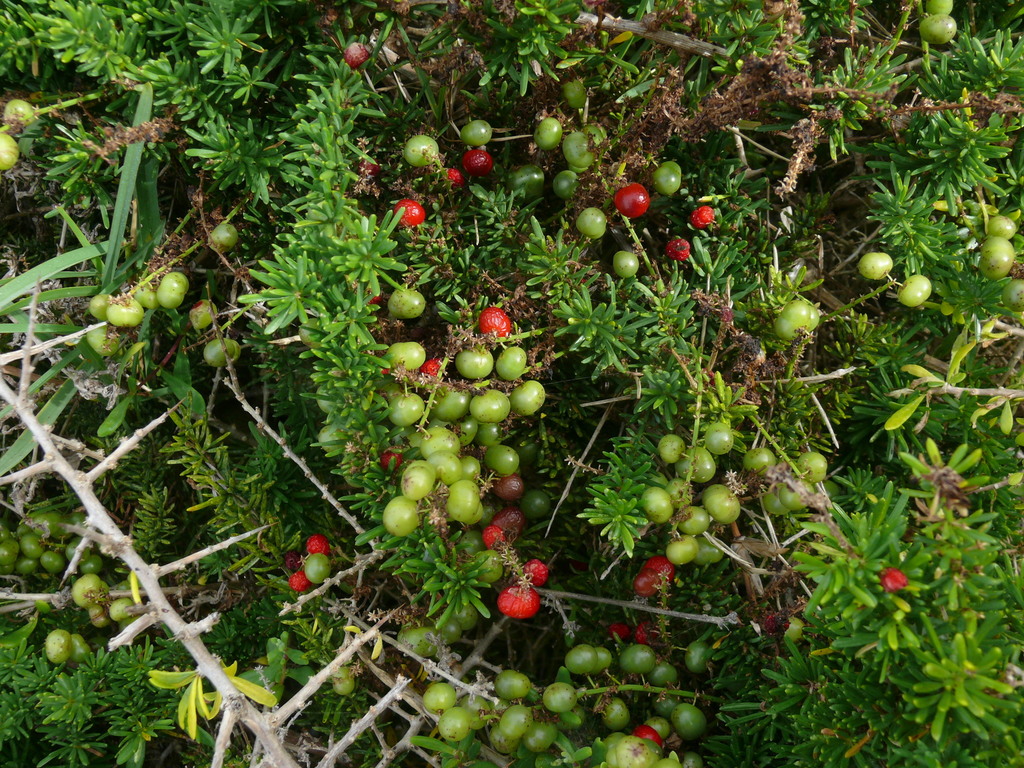
—observations
—countries
—peak records
Least ConcernConservation statusIUCN Red List categoriesLCNTVUENCREWEXLeast ConcernRed List categories, explained →
Diet & preySunlight, Water, Soil nutrients
Predators
- Herbivorous insects
- Fruit-eating birds
- Grazing mammals
ThreatsHabitat loss in native range, widely controlled as an invasive weed elsewhere
HabitatsCoastal scrub, rocky hillsides, open forest understories, gardens
Life span10–20 years
Classification
- OrderAsparagales
- FamilyAsparagaceae
- GenusAsparagus
- SpeciesAsparagus densiflorus
Range data is not available yet.
Interaction riskHigh
- Low
- Moderate
- High
- Very high
- Why interaction risk is high
- Berries are toxic to pets and sap causes skin irritation; wild berries have toxic look-alikes, so never ingest.
- Why it is dangerous
- Steroidal sapogenins in the foliage and berries cause abdominal pain, vomiting, and dermatitis in household pets.
- How to recognize a risky encounter
- Look for arching needle-like foliage with hidden stem spines, tiny white blossoms, and pea-sized red berries.
- What to do
- Wear gloves when pruning to avoid contact skin irritation, and keep potted plants away from pets.
Responsible observation
- Potted Care: Place in bright, indirect light and keep soil moist during active spring growth.
- Landscape Caution: Plant in contained beds or pots to prevent underground tubers from spreading invasively.
- Safe Pruning: Wear garden gloves to protect hands from subtle sharp spines along mature arching stems.
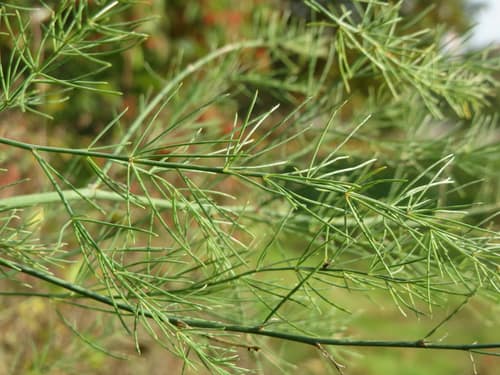
Edible Cousin (c) Andreas Rockstein, some rights reserved (CC BY-SA) · cc-by-sa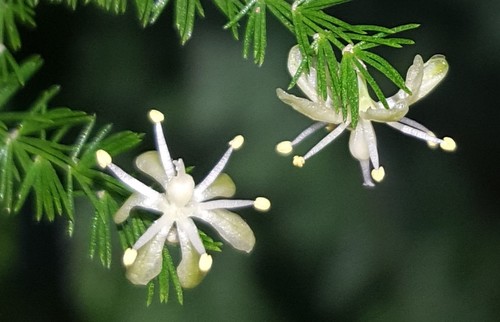
Close Relative (c) alessandradalia, some rights reserved (CC BY-SA), uploaded by alessandradalia · cc-by-sa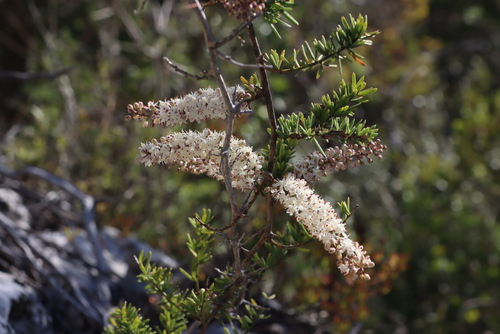
Close Relative (c) Tony Rebelo, some rights reserved (CC BY-SA), uploaded by Tony Rebelo · cc-by-sa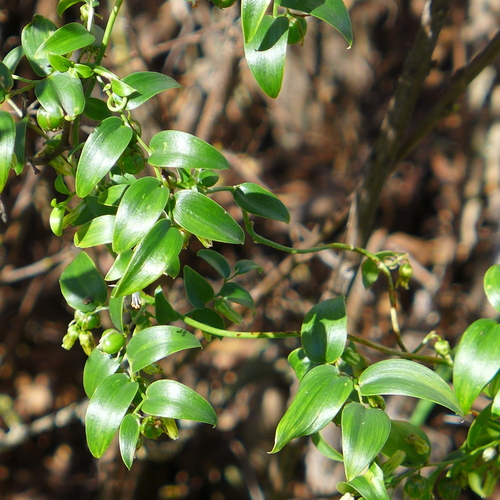
Invasive Relative (c) John Hibbard, some rights reserved (CC BY), uploaded by John Hibbard · cc-by
Help improve the field guideSomething wrong?
Checking your Fauna account…Report a name, category, or profile issue for review.