
Plant · GBIF taxon 2768035
Elephant's-foot
Beaucarnea recurvataAlso known as Ponytail Palm, Bottle Palm, Elephant-foot Tree
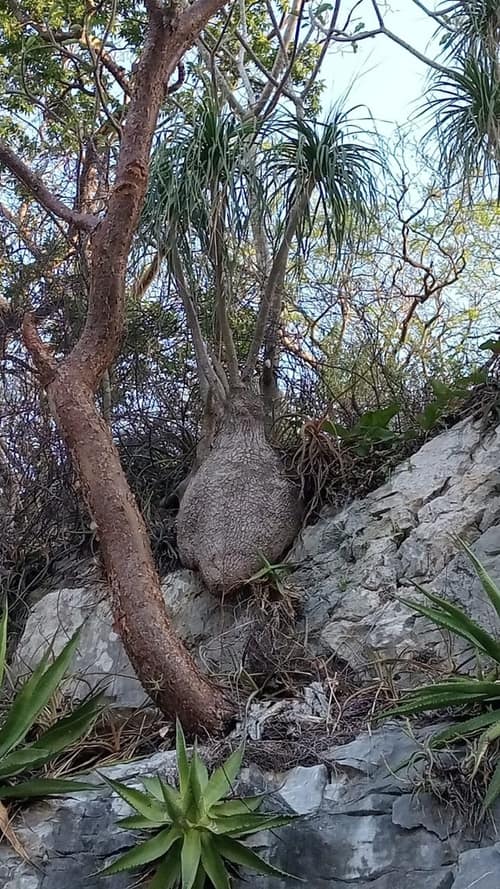
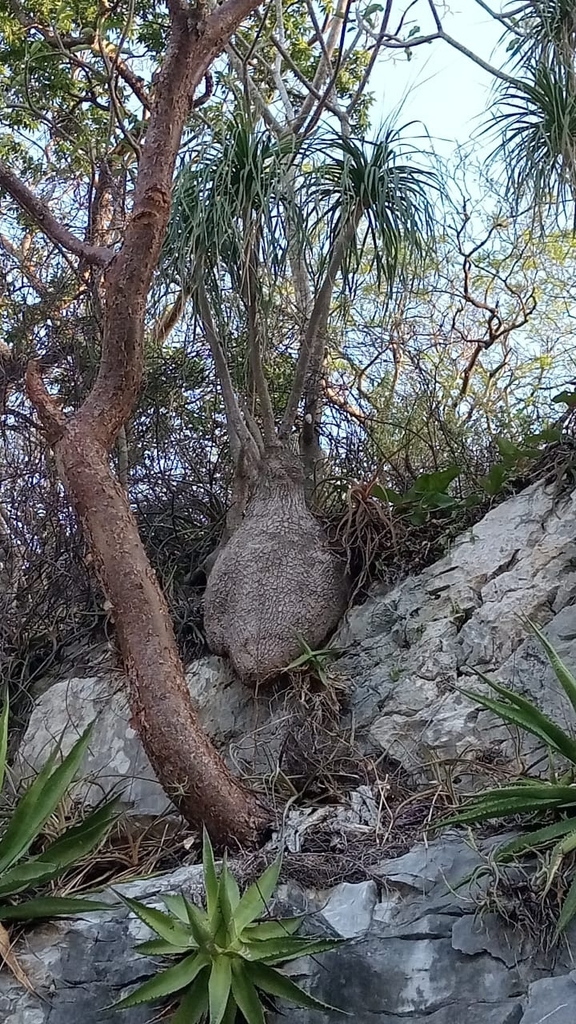
Thriving on sheer, dry limestone cliffs and tropical deciduous forests of eastern Mexico, this xerophytic evergreen stores immense reserves of water inside its swollen, cork-barked caudex. Dense crowns of recurved, strap-like leaves cascade like hair from the upper stems, channeling scarce rainfall directly down toward the root zone. While ubiquitous as a cultivated houseplant around the world, wild populations face near-extinction from habitat loss and intensive illegal harvesting.
SucculentDrought-Tolerant
—observations
—countries
—peak records
Critically EndangeredConservation statusIUCN Red List categoriesLCNTVUENCREWEXCritically EndangeredRed List categories, explained →
Diet & prey
- Autotrophic
Predators
Not available
ThreatsIllegal collection for ornamental horticulture and habitat destruction
HabitatsTropical deciduous forests, rocky limestone cliffs, and arid canyons
Life spanOver 350 years
Size / weightNot available
Classification
- OrderAsparagales
- FamilyAsparagaceae
- GenusBeaucarnea
- SpeciesBeaucarnea recurvata
Range data is not available yet.
Interaction riskLow
- Low
- Moderate
- High
- Very high
- Why interaction risk is low
- Safe to observe at a normal distance.
- What to notice
- Look for a massive, flared trunk base with deeply fissured, grey corky bark topped by long, fountain-like cascades of narrow leaves.
- Support conservation
- Photograph wild specimens from established tracks, take care not to compact root zones on rocky ledges, and never remove wild plant material.
Responsible observation
- Potted Care: Allow soil to dry thoroughly between waterings to protect the water-storing caudex from fungal rot.
- Wild Observation: Never collect seeds or dig up wild specimens, as poaching severely threatens native populations.
 Image unavailable
Close Relative Close Relative 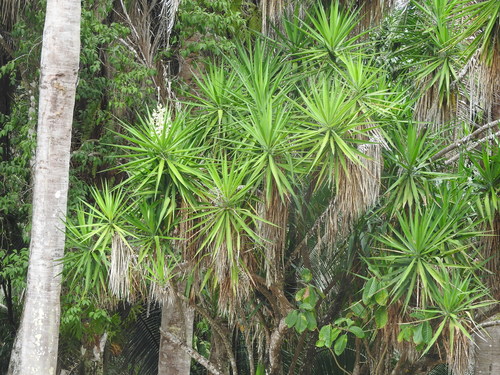
Same Family (c) Juan Cruzado Cortés, some rights reserved (CC BY-SA), uploaded by Juan Cruzado Cortés · cc-by-sa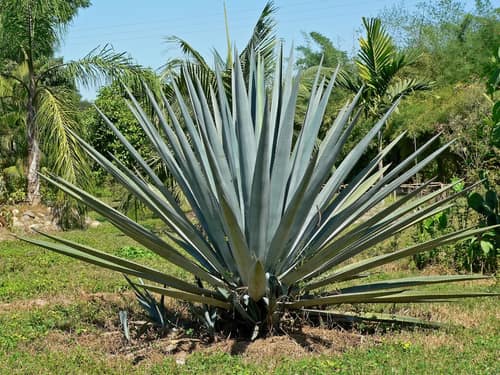
Same Family (c) Stan Shebs, some rights reserved (CC BY-SA) · cc-by-sa
Help improve the field guideSomething wrong?
Checking your Fauna account…Report a name, category, or profile issue for review.