
Plant
Portuguese Squill
Scilla peruvianaAlso known as Peruvian Hyacinth, Cuban Lily, Hyacinth of Peru
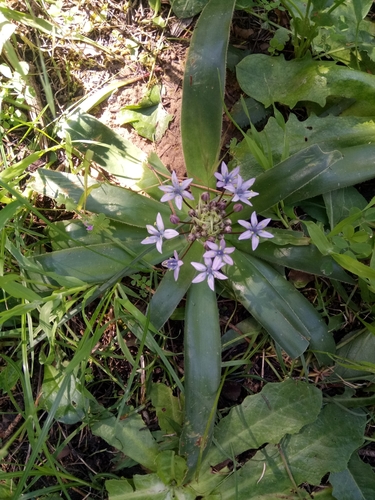
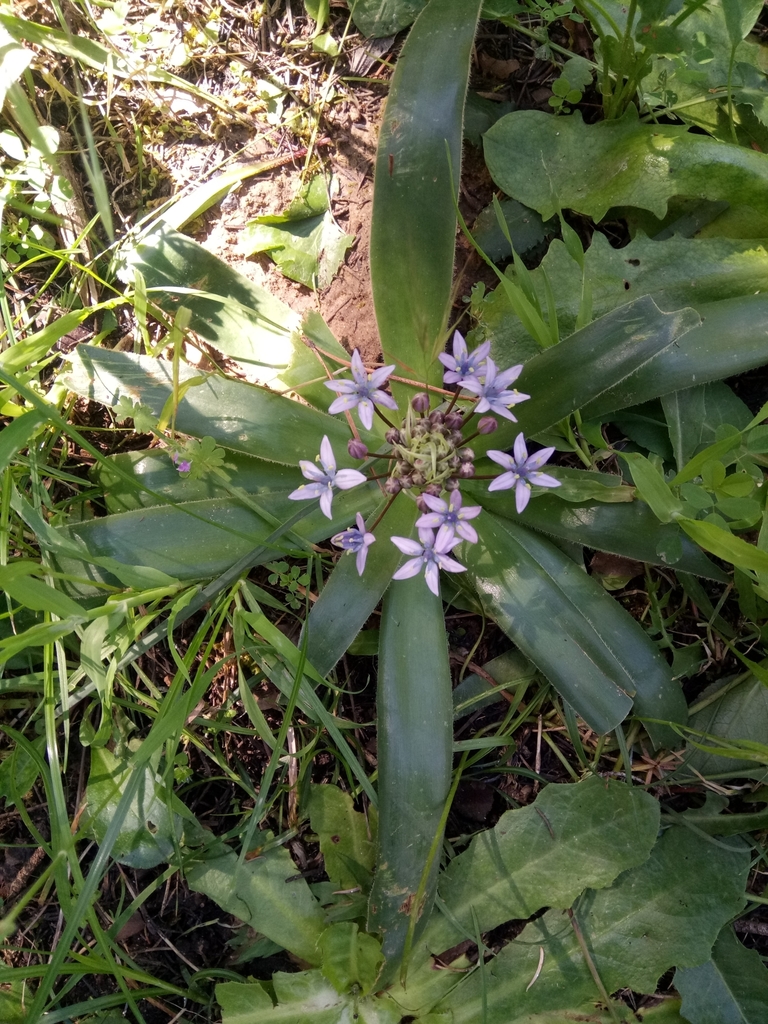
Portuguese squill puts on a dramatic spring display, sending up dense, pyramidal flower heads packed with up to a hundred starry, violet-blue blossoms. Adapted to the Mediterranean cycle of cool, wet winters and baking summers, the plant sprouts broad rosettes of strap-like leaves in autumn and retreats to an underground bulb by midsummer. Despite its misleading botanical epithet, which arose because an early cataloged specimen arrived in England aboard a ship named The Peru, it is entirely native to southwestern Europe and northwest Africa.
PerennialMediterraneanSpring Blooming
—observations
—countries
—peak records
Least ConcernConservation statusIUCN Red List categoriesLCNTVUENCREWEXLeast ConcernRed List categories, explained →
Diet & preyAutotrophic (photosynthetic)
Predators
- Snails
- Slugs
ThreatsHabitat clearance, coastal development, and overgrazing
HabitatsRocky hillsides, damp meadows, coastal scrub, and Mediterranean woodlands
Life spanPerennial (decades via recurring bulb division)
Classification
- FamilyAsparagaceae
- SpeciesScilla peruviana
Range data is not available yet.
Interaction riskHigh
- Low
- Moderate
- High
- Very high
- Why interaction risk is high
- All parts contain cardiac glycosides and saponins toxic to humans and pets; do not ingest.
- Why it is dangerous
- Contains toxic saponins and cardiac glycosides that cause vomiting, abdominal cramping, and heart arrhythmias if consumed.
- How to recognize a risky encounter
- Recognized by broad, lance-shaped basal leaves and a central spike of up to a hundred blue, star-shaped blossoms.
- What to do
- Wear gloves when planting or dividing bulbs to prevent sap irritation, and keep away from pets and livestock.
Responsible observation
- Bloom Timing: Look for massive flower heads opening from the bottom tiers upward during mid-spring.
- Pet Safety: Keep curious dogs away from cultivated plantings, as buried bulbs contain concentrated toxins.
- Seasonal Dormancy: Allow leaves to turn yellow naturally in summer so the bulb can recharge for next year.
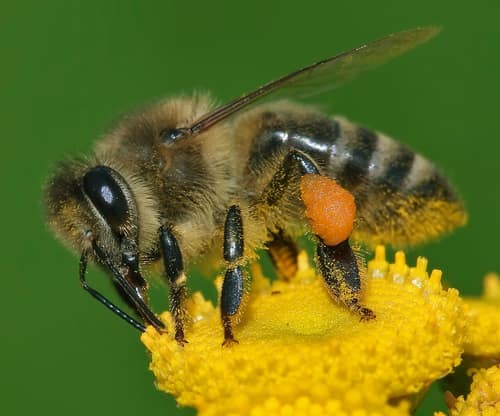
Pollinator Andreas Trepte / CC BY-SA 2.5 · cc-by-sa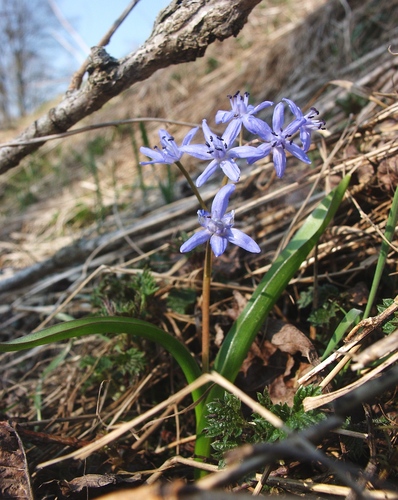
Close Relative (c) Bernd Haynold, some rights reserved (CC BY-SA) · cc-by-sa
Same Family (c) Mehdi Chetibi, some rights reserved (CC BY), uploaded by Mehdi Chetibi · cc-by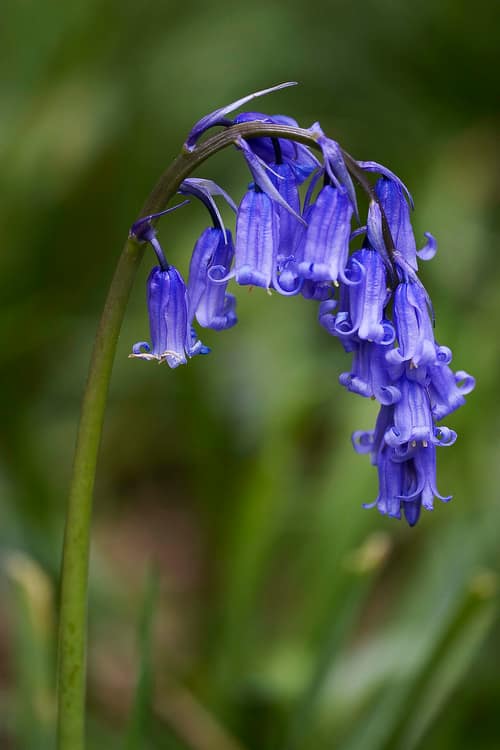
Same Family MichaelMaggs / CC BY-SA 3.0 · cc-by-sa
Help improve the field guideSomething wrong?
Checking your Fauna account…Report a name, category, or profile issue for review.