
Plant
McKelvey's Agave
Agave mckelveyanaAlso known as McKelvey's Century Plant
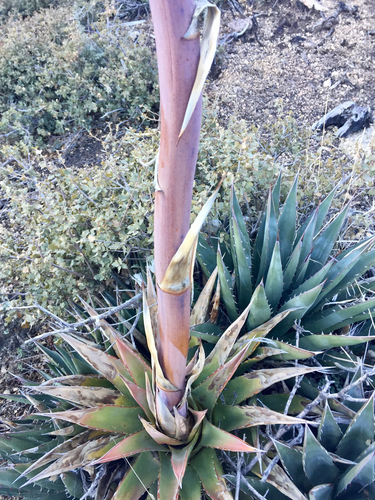
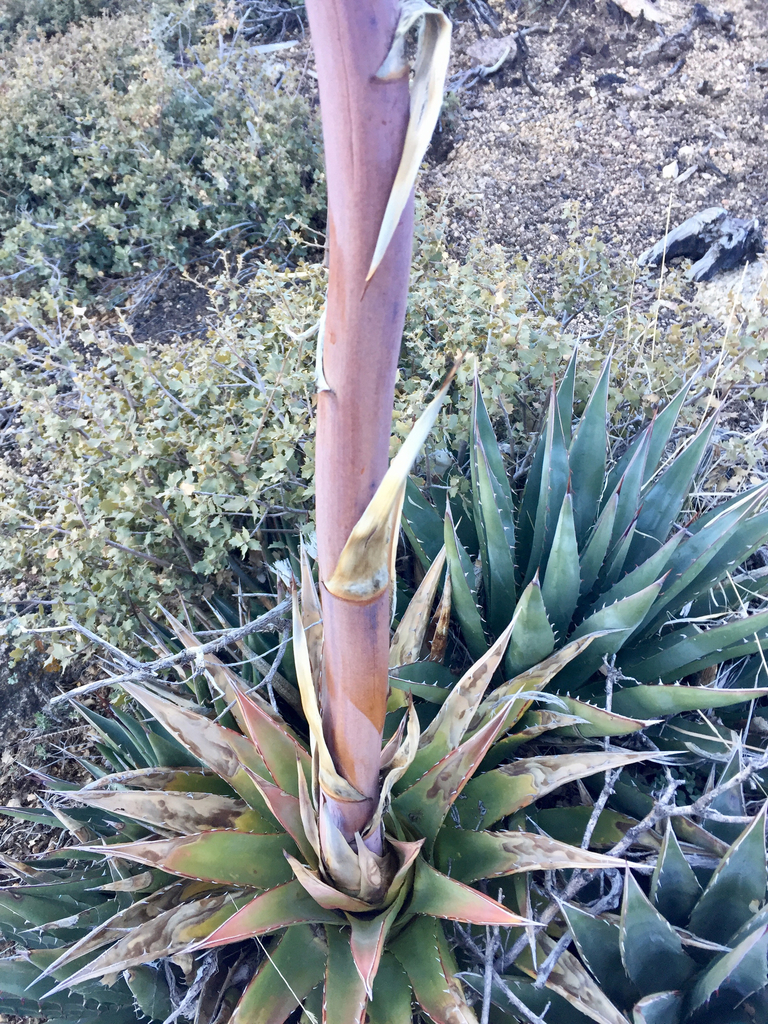
McKelvey's agave forms compact, solitary rosettes of pale green to yellowish, spine-edged leaves hugging rocky canyon slopes. It spends decades accumulating energy in arid mountain terrain before producing a single towering flowering stalk laden with clustered yellow blooms. Like other monocarpic century plants, the rosette dies after this singular reproductive effort, leaving behind a dry spire and seeds to disperse on desert winds.
SucculentDesertEndemic
—observations
—countries
—peak records
Near ThreatenedConservation statusIUCN Red List categoriesLCNTVUENCREWEXNear ThreatenedRed List categories, explained →
Diet & preyAutotrophic (Photosynthetic)
Predators
- Desert bighorn sheep
- Agave snout weevil
- Javelina
ThreatsSevere drought, changing wildfire regimes, illegal wild collection
HabitatsRocky mountain slopes, chaparral, pinyon-juniper woodlands, desert scrub
Life span10–30 years (monocarpic)
Classification
- FamilyAsparagaceae
- SpeciesAgave mckelveyana
Range data is not available yet.
Interaction riskLow
- Low
- Moderate
- High
- Very high
- Why interaction risk is low
- Sap contains sharp calcium oxalate crystals that trigger skin dermatitis, and leaf tips bear sharp spines.
- Why it is dangerous
- Damaged foliage leaks sap rich in microscopic calcium oxalate raphides and saponins, inducing painful swelling, itching, and contact dermatitis.
- How to recognize a risky encounter
- Recognizable by modest, open rosettes of pale grayish-green succulent leaves edged with small curved teeth and capped by a sharp brown terminal spine.
- What to do
- Do not touch broken leaves or harvest wild plants; observe rosettes from a safe standing distance without stepping on spines.
- What to notice
- Look for compact, solitary rosettes nestled on granite or limestone slopes between 800 and 2,200 meters elevation.
- Support conservation
- Stay on established trails and leave all wild plants, seed pods, and flowering stalks completely undisturbed.
Responsible observation
- Terrain navigation: Watch footing carefully around loose rocky ledges where rosettes hide among grasses.
- Bloom timing: Search between May and July to spot the prominent, golden-yellow inflorescences towering above brush.
- Spine caution: Give rosettes ample clearance because the needle-like terminal leaf spines easily pierce trail clothing.
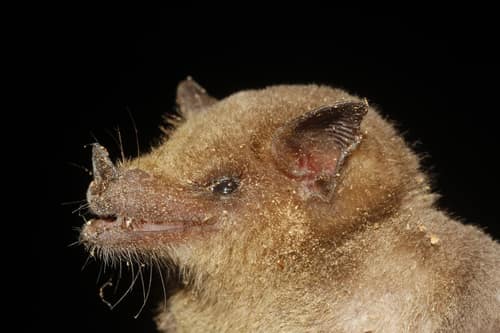
Pollinator (c) Juan Cruzado Cortés, some rights reserved (CC BY-SA), uploaded by Juan Cruzado Cortés · cc-by-sa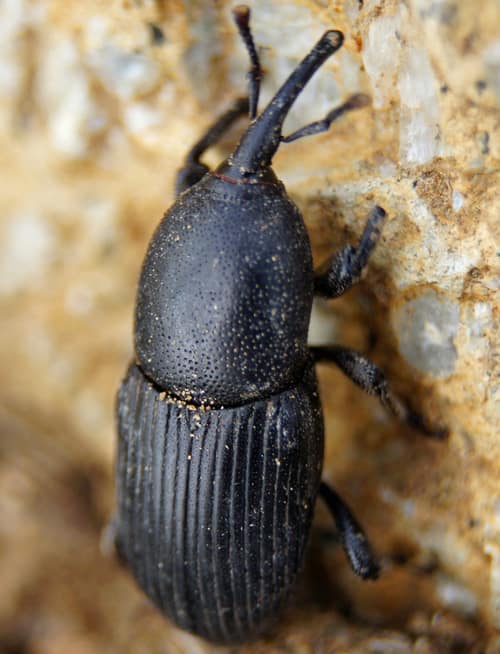
Predator (c) psweet, some rights reserved (CC BY-SA), uploaded by psweet · cc-by-sa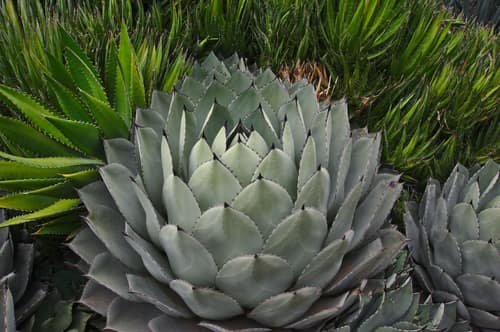
Close Relative (c) Andrew Toskin, some rights reserved (CC BY-SA) · cc-by-sa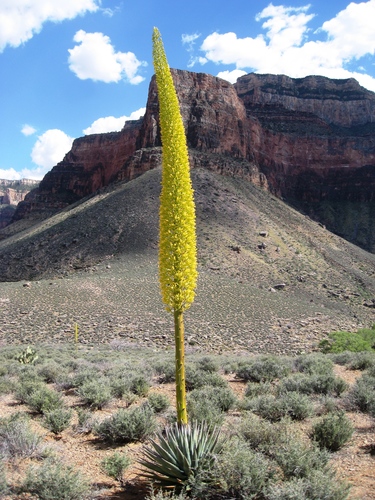
Close Relative (c) J Brew, some rights reserved (CC BY-SA), uploaded by J Brew · cc-by-sa
Help improve the field guideSomething wrong?
Checking your Fauna account…Report a name, category, or profile issue for review.