
Plant · GBIF taxon 2766739
Palmer's Agave
Agave palmeriAlso known as Palmer Century Plant, Palmer's Century Plant
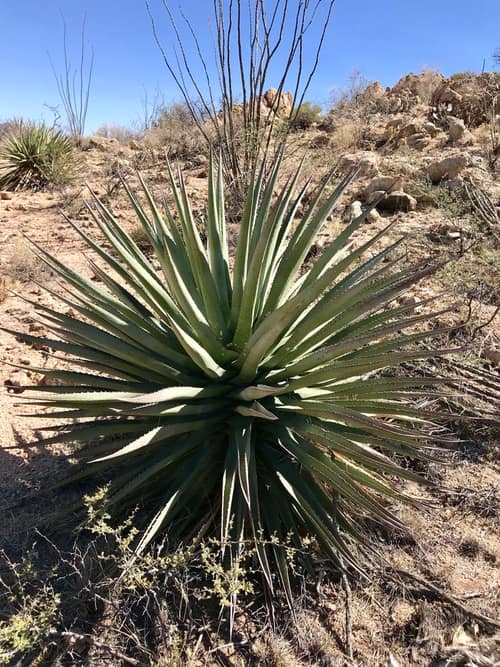
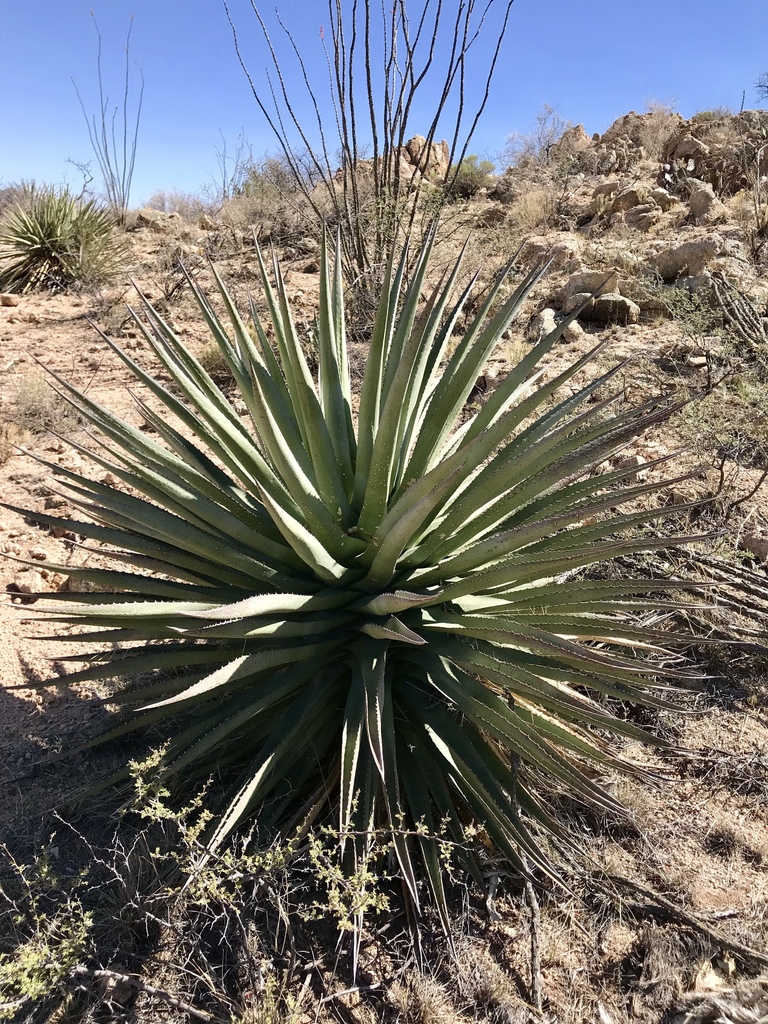
Palmer's agave forms massive, blue-green rosettes with fiercely spined leaf margins across the arid mountain slopes of the Sonoran and Chihuahuan Deserts. After growing for up to 30 years, the plant produces a single towering flower stalk laden with yellow-green, nectar-rich blooms before dying. These blossoms serve as an essential nectar source for migratory bats during their northern journey.
DesertSucculentBat-Pollinated
—observations
—countries
—peak records
Least ConcernConservation statusIUCN Red List categoriesLCNTVUENCREWEXLeast ConcernRed List categories, explained →
Diet & prey
- Autotrophic (Photosynthetic)
Predators
- Herbivorous insects
- Small mammals
- Javelinas
ThreatsHabitat loss, climate change, over-harvesting for mescal production
HabitatsArid mountainsides, desert scrub, oak woodlands, rocky canyon slopes
Life span10–30 years (monocarpic)
Size / weightNot available
Classification
- FamilyAsparagaceae
- SpeciesAgave palmeri
Range data is not available yet.
Interaction riskLow
- Low
- Moderate
- High
- Very high
- Why interaction risk is low
- Raw sap contains calcium oxalate crystals that irritate skin, and leaf tips bear sharp puncture spines.
- Why it is dangerous
- Raw sap contains saponins and microscopic calcium oxalate crystals that penetrate skin and trigger severe contact dermatitis, itching, and swelling.
- How to recognize a risky encounter
- Recognized by dense rosettes of rigid, grey-green leaves tipped with long dark terminal spines and tooth-lined margins.
- What to do
- Wear thick leather gloves and long sleeves around leaves, and avoid cutting plants without full skin protection.
Responsible observation
- Watch Spines: Maintain space from leaf tips to avoid deep punctures from sharp terminal spines.
- Spot Night Visitors: Scan blooming stalks after sunset with a red light to view foraging nectar bats.
- Respect Lifecycle: Avoid damaging young rosettes as they require decades to build energy for flowering.
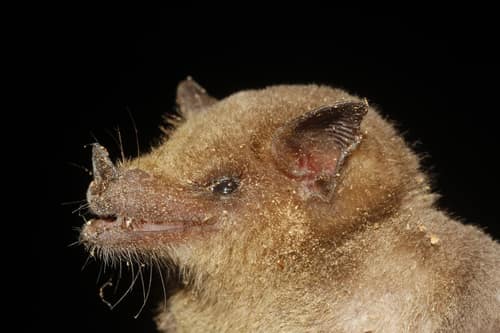
Pollinator (c) Juan Cruzado Cortés, some rights reserved (CC BY-SA), uploaded by Juan Cruzado Cortés · cc-by-sa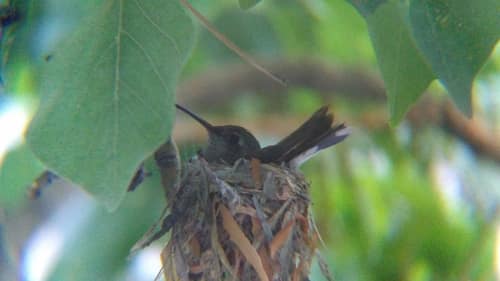
Pollinator (c) Arturo Crespo Moctezuma, some rights reserved (CC BY) · cc-by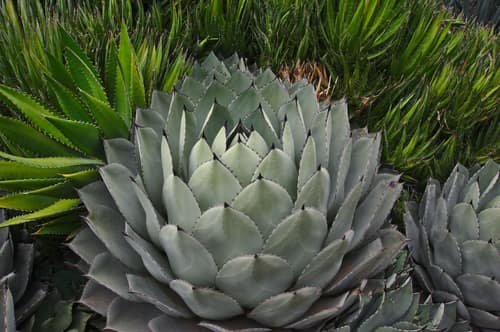
Close Relative (c) Andrew Toskin, some rights reserved (CC BY-SA) · cc-by-sa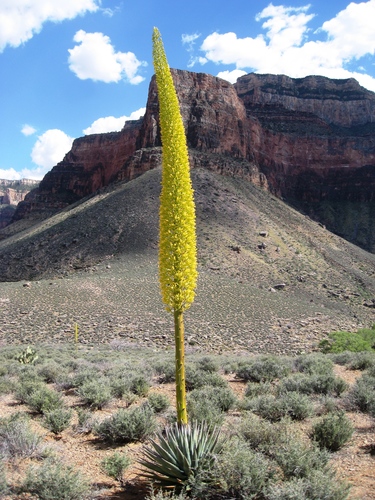
Close Relative (c) J Brew, some rights reserved (CC BY-SA), uploaded by J Brew · cc-by-sa
Help improve the field guideSomething wrong?
Checking your Fauna account…Report a name, category, or profile issue for review.