
Utah Agave
Agave utahensisAlso known as Utah Century Plant, Yant
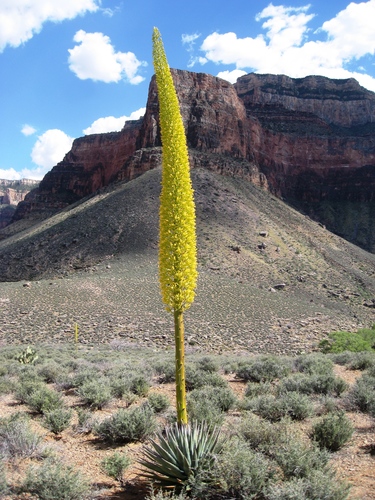
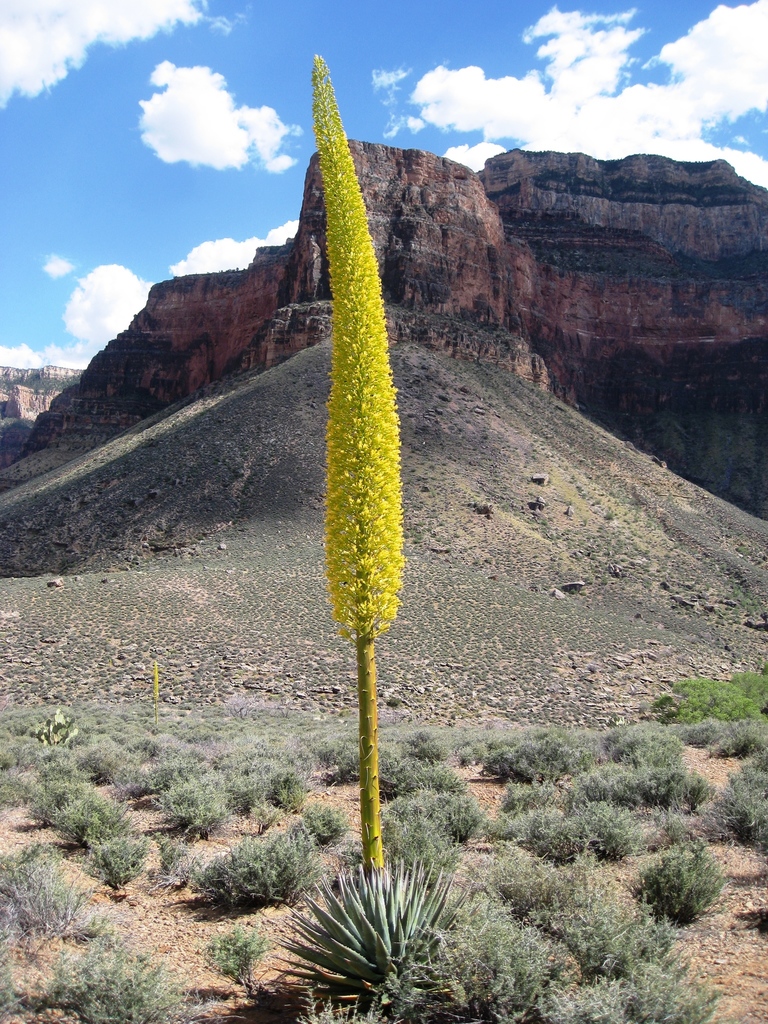
Utah agave clings tenaciously to exposed limestone cliffs and rocky ledges across the Mojave and Great Basin deserts, enduring extreme winter freezes that would kill most other succulents. Each compact rosette spends decades accumulating energy through water-conserving CAM photosynthesis before sending up a towering, yellow-blossomed flower spike in a dramatic, fatal reproductive finale. Long before modern botanists documented the plant, Southern Paiute and other Indigenous peoples carefully gathered and slow-roasted the sugary hearts in subterranean pit ovens.
- Agave snout weevil
- Desert bighorn sheep
- Small desert rodents
- OrderAsparagales
- FamilyAsparagaceae
- GenusAgave
- SpeciesAgave utahensis
- Low
- Moderate
- High
- Very high
- Why interaction risk is low
- Sharp terminal spines can puncture skin, and sap causes contact dermatitis; admire without touching.
- Why it is dangerous
- Sap contains microscopic calcium oxalate raphides and saponins that cause intense contact dermatitis, burning sensations, and skin rashes.
- How to recognize a risky encounter
- Recognize the dense basal rosette of stiff, pale green leaves armed with wavy margins, hooked teeth, and a rigid dark terminal spine.
- What to do
- Wear thick leather gloves if clearing rock around plants, and wash immediately with soap and water if raw plant sap contacts bare skin.
- Observation safety: Give rosettes ample room when hiking cliff trails, as the needle-sharp spine tips easily pierce fabric.
- Bloom watching: Scan south-facing canyon walls in late spring to spot giant, asparagus-like flowering stalks rising toward the sky.
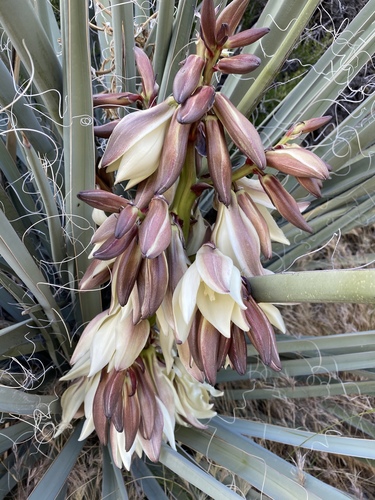
Frequent Companion (c) Matt Berger, some rights reserved (CC BY), uploaded by Matt Berger · cc-by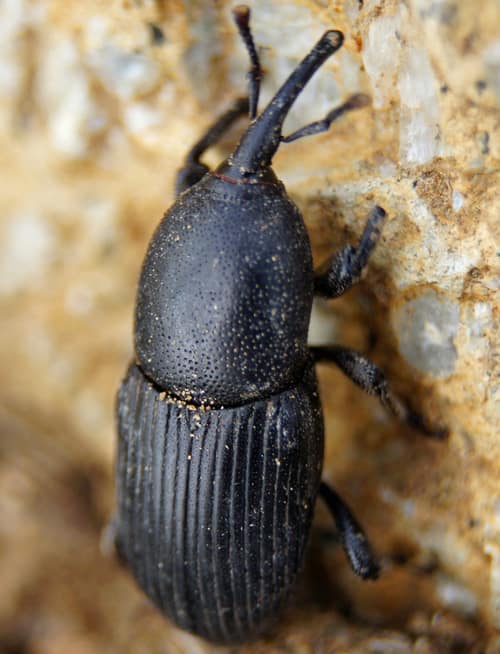
Parasite (c) psweet, some rights reserved (CC BY-SA), uploaded by psweet · cc-by-sa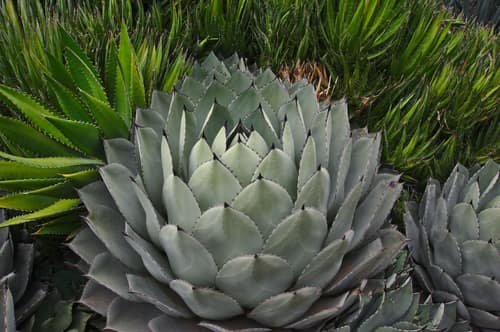
Close Relative (c) Andrew Toskin, some rights reserved (CC BY-SA) · cc-by-sa
Found in Collections
Desert Sands
Utah Agave is found in this collection. Identify it in Fauna to fill this slot and continue your progress.
Unlock to track progress
Report a name, category, or profile issue for review.