
Plant · GBIF taxon 2766411
New Zealand Cabbage Tree
Cordyline australisAlso known as Tī Kōuka, Cabbage Palm, Tī
Tī kōuka anchors New Zealand landscapes with its distinctive mop of arching, sword-shaped leaves crowning stout, fibrous trunks. In late spring, massive panicles of sweet-scented white flowers erupt from the canopy, drawing clouds of native bees and nectar-feeding birds. Its extraordinarily durable leaf fibers historically provided Māori communities with tough cords, fishing lines, and woven footwear.
TreeEndemicMonocot
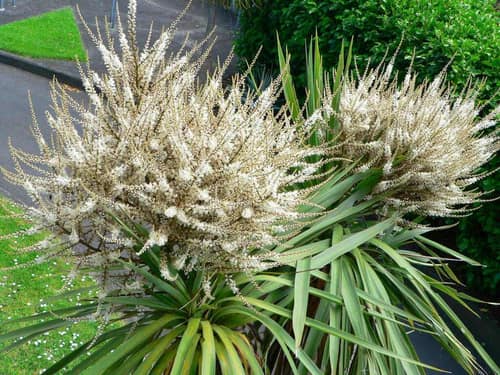
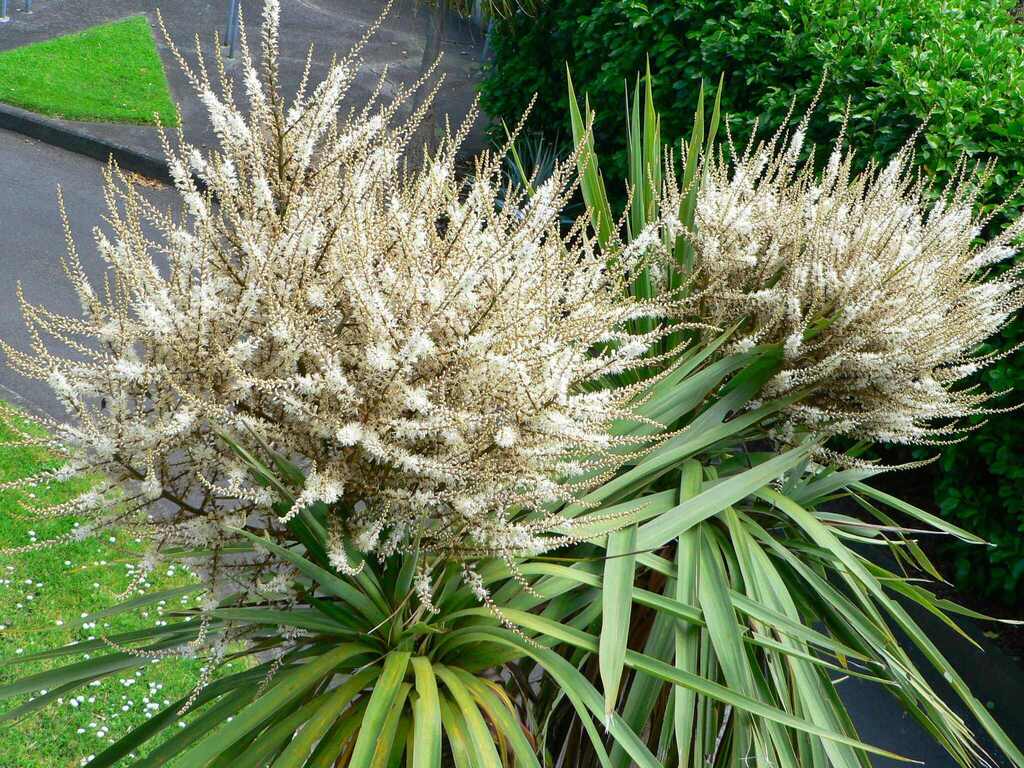
—observations
—countries
—peak records
Least ConcernConservation statusIUCN Red List categoriesLCNTVUENCREWEXLeast ConcernRed List categories, explained →
Diet & prey
- Autotrophic (photosynthesis)
Predators
- Cabbage tree moth caterpillar
- Brushtail possum
ThreatsSudden decline disease (phytoplasma), browse by invasive mammals
HabitatsWetlands, forest margins, coastal scrub, open riverbanks
Life span100–500 years
Classification
- OrderAsparagales
- FamilyAsparagaceae
- GenusCordyline
- SpeciesCordyline australis
Range data is not available yet.
Interaction riskHigh
- Low
- Moderate
- High
- Very high
- Why interaction risk is high
- Leaves and berries are toxic to pets, and wild fruit has dangerous look-alikes; avoid ingestion.
- Why it is dangerous
- Contains steroidal saponins that provoke vomiting, hypersalivation, and lethargy if chewed or swallowed by dogs and cats.
- How to recognize a risky encounter
- Look for a palm-like silhouette with dense tufts of narrow, tough, strap-shaped leaves atop a rough trunk.
- What to do
- Sweep up fallen leaves in domestic gardens and seek veterinary advice if pets ingest foliage or berries.
Responsible observation
- Landscape Placement: Plant in full sun and moist, open soil to allow room for its broad, branched crown.
- Pet Safety: Keep dogs and cats from chewing on fallen fibrous leaves to avoid intestinal irritation.
- Bird Watching: Inspect flowering clusters in late spring to spot foraging bellbirds and honeyeaters.
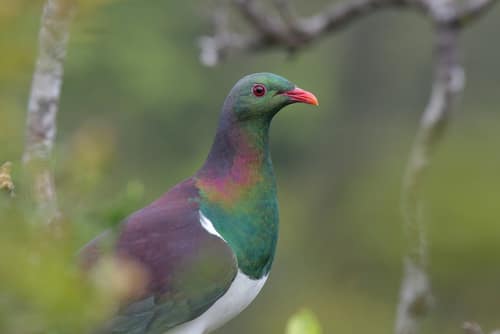
Seed Disperser (c) Christopher Stephens, some rights reserved (CC BY-SA), uploaded by Christopher Stephens · cc-by-sa Image unavailable
Herbivore 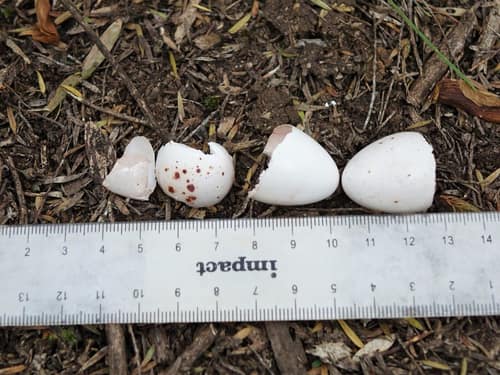
Pollinator (c) Jacqui Geux, some rights reserved (CC BY), uploaded by Jacqui Geux · cc-by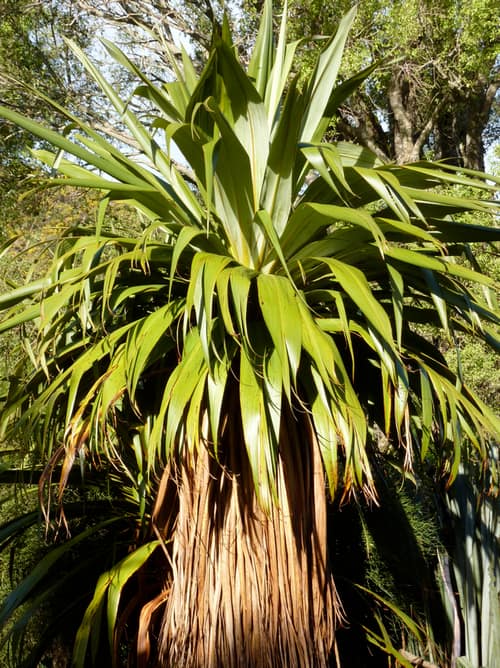
Close Relative (c) Jon Sullivan, some rights reserved (CC BY) · cc-by
Help improve the field guideSomething wrong?
Checking your Fauna account…Report a name, category, or profile issue for review.