
Plant
Ti
Cordyline fruticosaAlso known as Ti Plant, Palm Lily, Cabbage Palm, Good Luck Plant
Ti plants are culturally revered Pacific shrubs celebrated across Oceania for spiritual protection, traditional clothing, and ornamental beauty. Slender woody stems culminate in dense crowns of lance-shaped leaves that vary from deep forest green to striking streaks of magenta, pink, and cream. During blooming periods, mature plants produce panicles of tiny, sweetly fragrant flowers that give way to glossy red berries favored by tropical birds.
EvergreenTropicalOrnamental
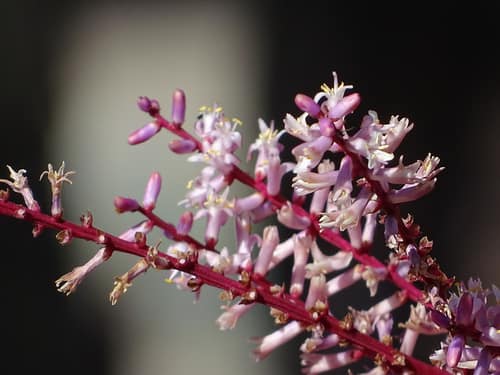
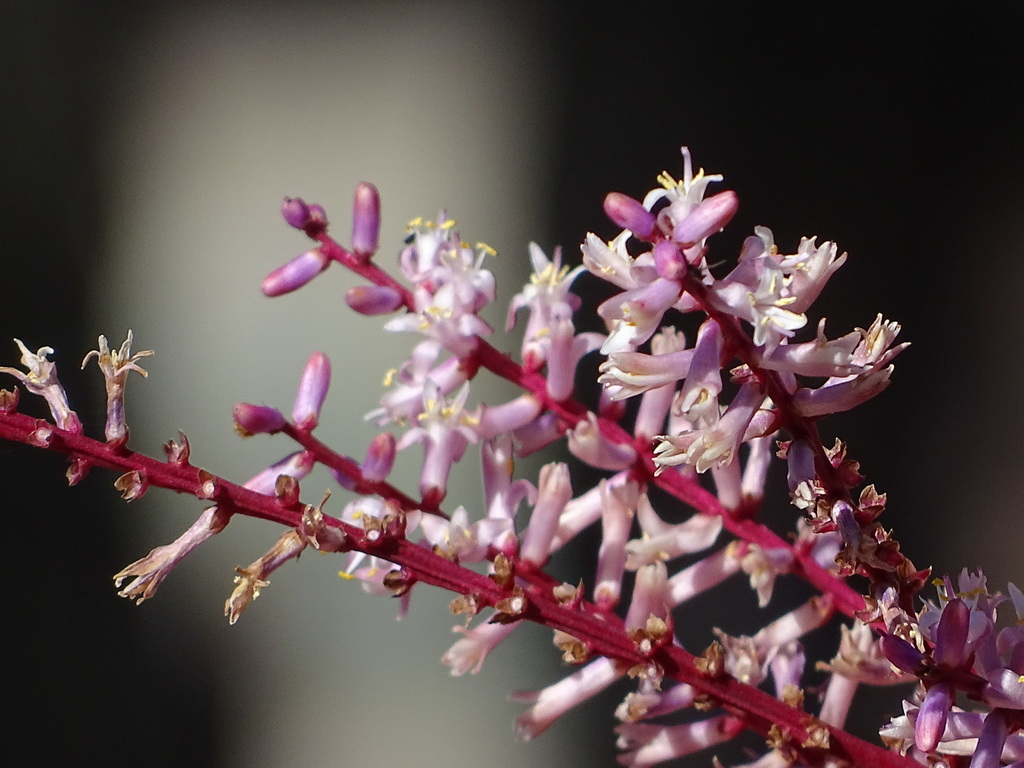
—observations
—countries
—peak records
Least ConcernConservation statusIUCN Red List categoriesLCNTVUENCREWEXLeast ConcernRed List categories, explained →
Diet & preyPhotosynthetic autotroph
Predators
- Spider Mites
- Scale Insects
- Mealybugs
ThreatsExtreme cold, mealybug infestations, fungal leaf spot
HabitatsTropical rainforest margins, coastal thickets, traditional gardens
Life span20–50 years
Classification
- OrderAsparagales
- FamilyAsparagaceae
- GenusCordyline
- SpeciesCordyline fruticosa
Range data is not available yet.
Interaction riskHigh
- Low
- Moderate
- High
- Very high
- Why interaction risk is high
- Toxic to dogs and cats if ingested; keep plants away from pets.
- Why it is dangerous
- Contains steroidal saponins, which cause hypersalivation, vomiting, dilated pupils, and depression in domestic cats and dogs.
- How to recognize a risky encounter
- Look for upright woody canes topped by spiraling rosettes of broad, arching leaves that often show pink or bronze striping.
- What to do
- Keep container plants away from pets, and discard fallen foliage promptly to prevent accidental ingestion.
Responsible observation
- Cultivation: Provide bright, filtered sunlight and evenly moist soil to maintain vibrant leaf color.
- Pet Safety: Position indoor specimens out of reach of domestic animals that tend to chew greenery.
- Identification: Inspect leaf attachments along the stem, as smooth stalks lack thorns or sharp serrations.
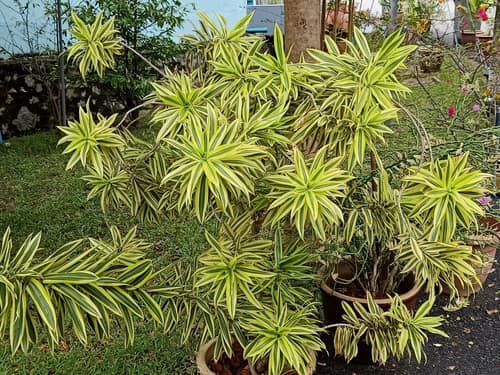
Frequent Companion (c) Ong Jyh Seng, some rights reserved (CC BY-SA), uploaded by Ong Jyh Seng · cc-by-sa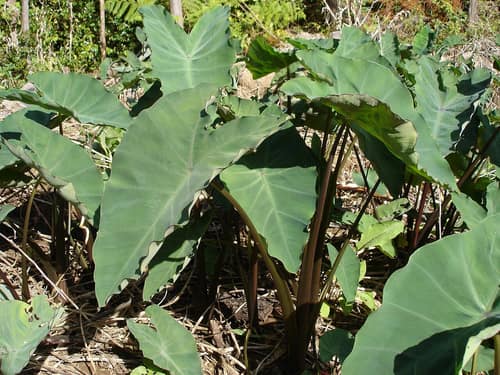
Frequent Companion No machine-readable author provided. Thierry Caro assumed (based on copyright claims). / CC BY-SA 2.5 · cc-by-sa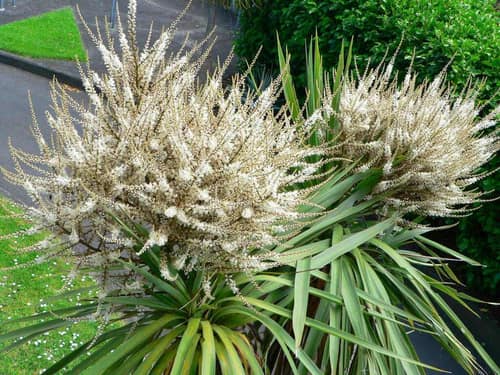
Close Relative (c) Sandy Austin, some rights reserved (CC BY) · cc-by
Help improve the field guideSomething wrong?
Checking your Fauna account…Report a name, category, or profile issue for review.