
Plant · GBIF taxon 2765942
Common Water Hyacinth
Pontederia crassipesAlso known as Water Hyacinth, Terror of Bengal
Common water hyacinth floats freely on freshwater surfaces, anchored by feathery, dark roots and buoyed by bulbous, air-filled leaf stems. Its glossy rosette of leaves gives rise to striking spikes of lavender-blue flowers, each featuring a distinct yellow spot surrounded by deep blue on the upper petal. Capable of doubling its population in less than two weeks, it quickly mats across open water, cutting off light and oxygen to submersed aquatic life.
AquaticInvasiveFlowering
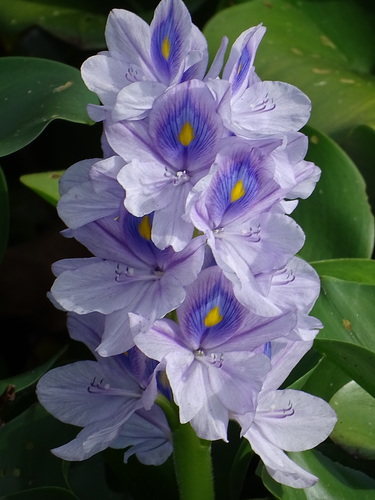
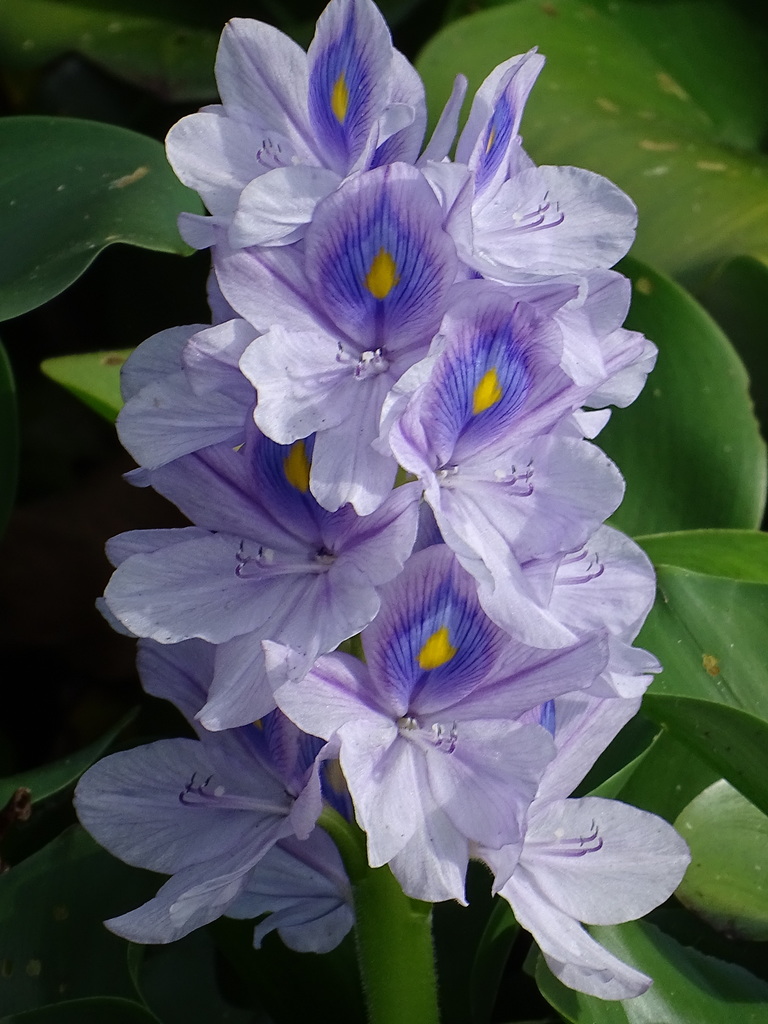
—observations
—countries
—peak records
Not EvaluatedConservation statusIUCN Red List categoriesLCNTVUENCREWEXNot Evaluated — not placed on the risk ladderRed List categories, explained →
Diet & prey
- Autotrophic (Photosynthetic)
Predators
- Water Hyacinth Weevil
- Water Hyacinth Moth
- Manatee
ThreatsBiological control agents, physical harvesting, and herbicides
HabitatsLakes, ponds, rivers, and wetlands
Life spanPerennial
Classification
- OrderCommelinales
- FamilyPontederiaceae
- GenusPontederia
- SpeciesPontederia crassipes
Range data is not available yet.
Interaction riskLow
- Low
- Moderate
- High
- Very high
- Why interaction risk is low
- Safe to observe at a normal distance.
Responsible observation
- Prevent Spread: Never transport plant fragments between water bodies, as small pieces regenerate rapidly.
- Observation: Look for dense floating mats with inflated leaf petioles and pale purple flower spikes.
- Proper Disposal: Compost pulled plants thoroughly on dry ground far from any water drainage.
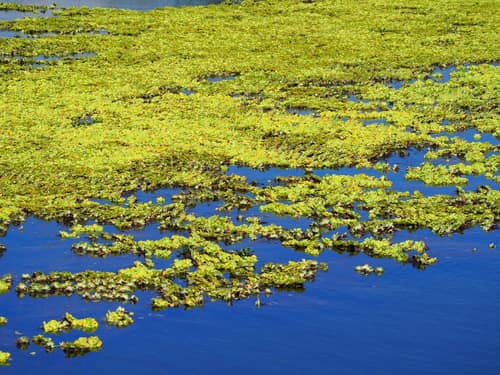
Co-Occurring Invasive no rights reserved, uploaded by 葉子 · cc0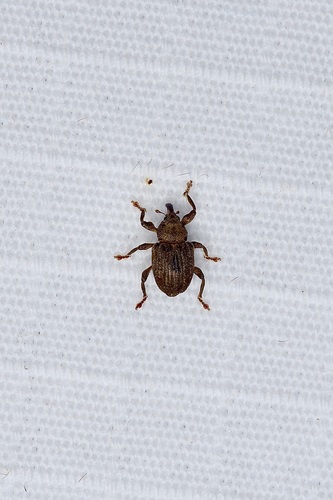
Biocontrol Agent (c) Michelle W. (鍾偉瑋), some rights reserved (CC BY) · cc-by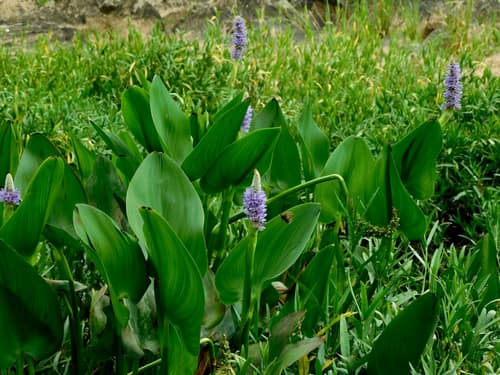
Close Relative (c) Michael J. Papay, some rights reserved (CC BY), uploaded by Michael J. Papay · cc-by
Help improve the field guideSomething wrong?
Checking your Fauna account…Report a name, category, or profile issue for review.