
Plant
Buckley's Spiderwort
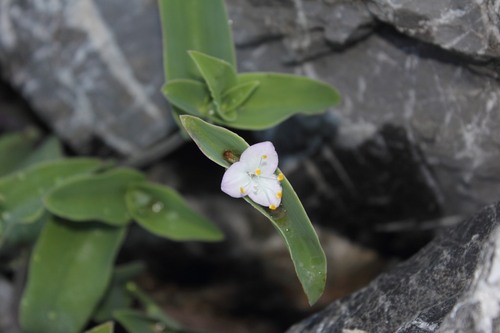
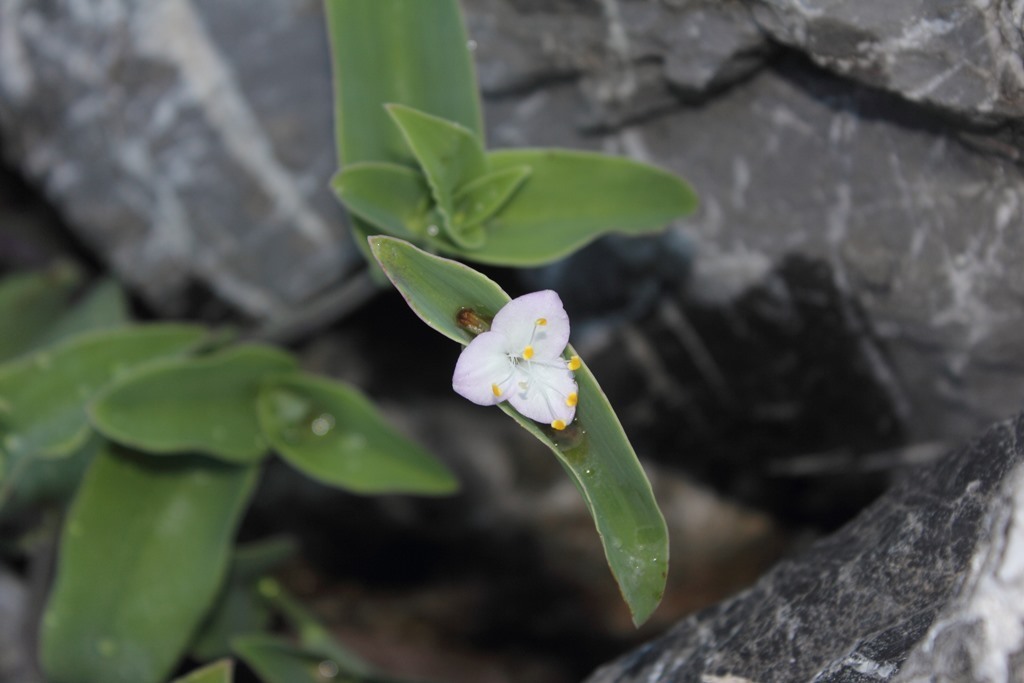
Tradescantia buckleyiBuckley's spiderwort hugs the sandy flats and thornscrub openings of south Texas and Tamaulipas, sending up sprawling succulent stems topped with fragile three-petaled blossoms. Each flower opens for just a single morning, its delicate petals dissolving into watery gel as the intense afternoon heat arrives. Native solitary bees frequent the blooms to harvest pollen, drawn to the bright yellow anthers cushioned on feathery stamen filaments.
WildflowerPerennialEndemic
—observations
—countries
—peak records
Not EvaluatedConservation statusIUCN Red List categoriesLCNTVUENCREWEXNot Evaluated — not placed on the risk ladderRed List categories, explained →
Diet & preySunlight, Water, Soil nutrients
Predators
- White-tailed Deer
- Cottontail Rabbit
- Grasshopper
ThreatsHabitat loss from urban development, brush clearing, invasive exotic grasses
HabitatsSandy loam, coastal prairies, thornscrub openings, oak motts
Life spanPerennial (several years)
Classification
- OrderCommelinales
- FamilyCommelinaceae
- GenusTradescantia
- SpeciesTradescantia buckleyi
Range data is not available yet.
Interaction riskHigh
- Low
- Moderate
- High
- Very high
- Why interaction risk is high
- Safe to observe at a normal distance.
- What to notice
- Recognize it by its sprawling succulent stems, narrow channeled leaves, and pink to violet three-petaled flowers arising from leaf-like bracts.
- Support conservation
- Observe and photograph plants without picking stems or stepping on the delicate, sprawling branches.
Responsible observation
- Timing: Search early on sunny mornings, as the ephemeral blossoms collapse and wither by midday.
- Photography: Use a close-up lens to document the intricate, fuzzy hairs blanketing the stamen stalks.
- Etiquette: Remain on established trails to protect fragile coastal prairie and scrub vegetation.
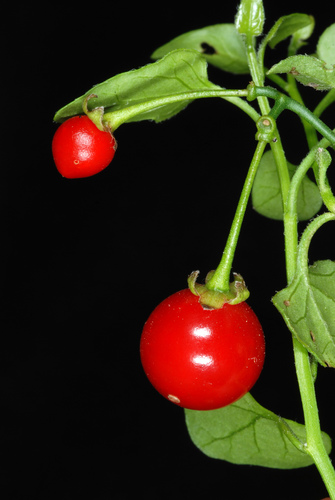
Frequent Companion (c) Douglas Goldman, some rights reserved (CC BY-SA), uploaded by Douglas Goldman · cc-by-sa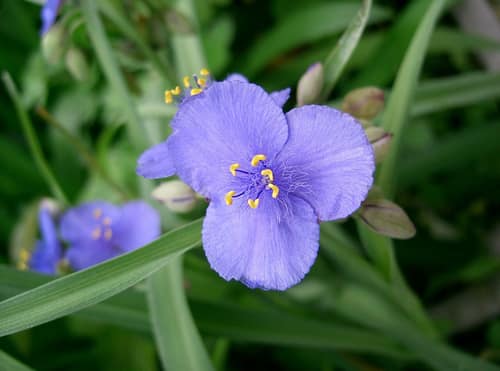
Close Relative KENPEI / CC BY-SA 3.0 · cc-by-sa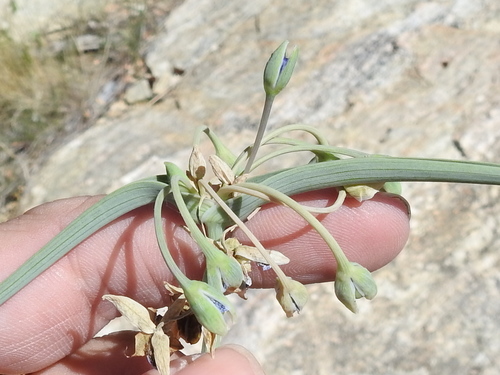
Close Relative (c) Sam Kieschnick, some rights reserved (CC BY), uploaded by Sam Kieschnick · cc-by
Help improve the field guideSomething wrong?
Checking your Fauna account…Report a name, category, or profile issue for review.