
Plant
Parrot's Beak
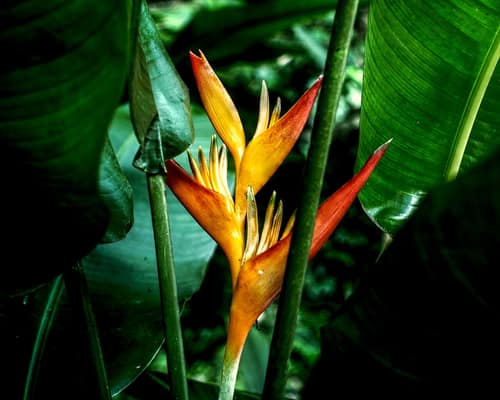
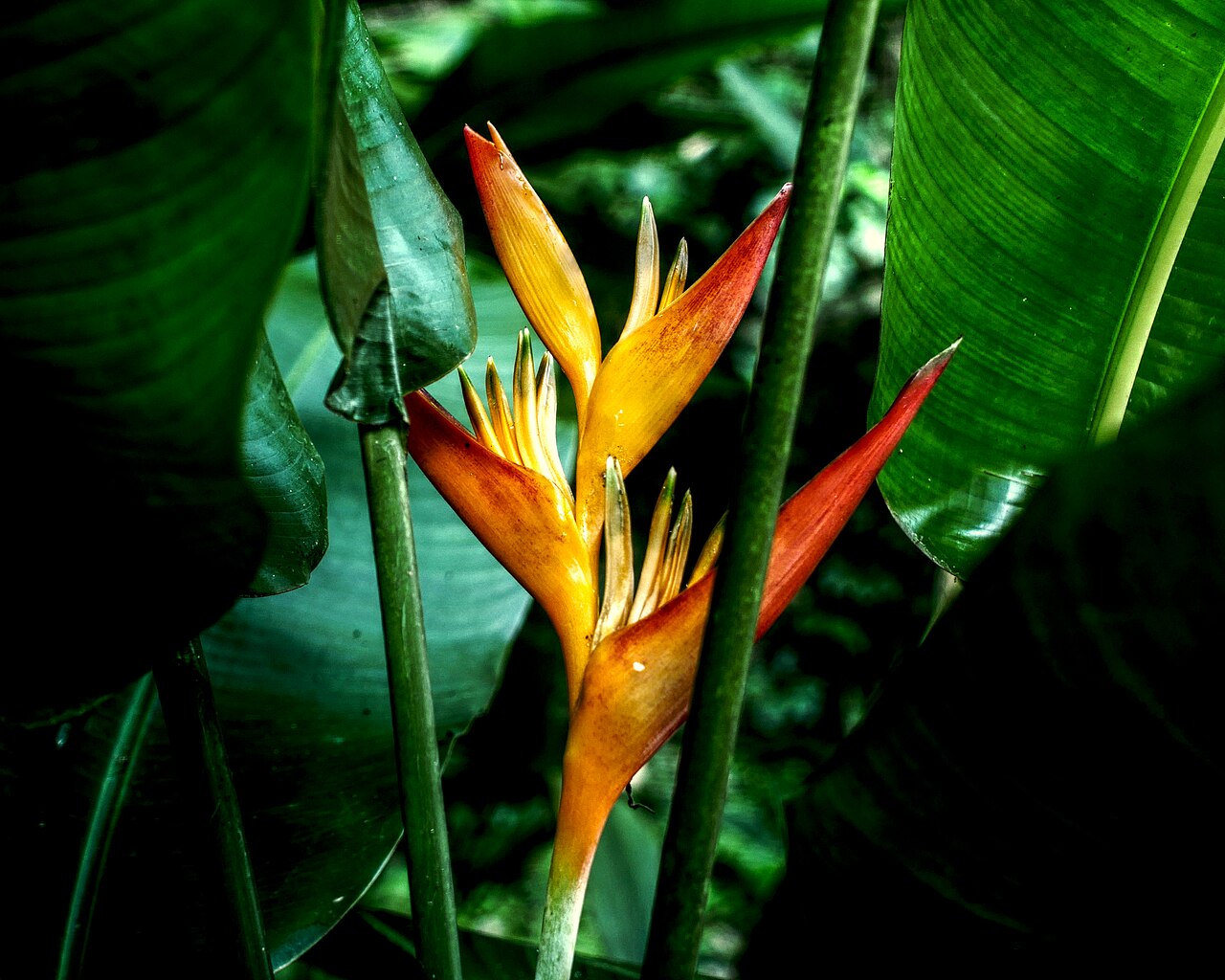
Heliconia psittacorumAlso known as Parakeet Flower, Parrot's Flower, False Bird of Paradise
Thriving in moist tropical clearings and along forest borders, this perennial herb produces erect, long-lasting inflorescences whose vivid bracts resemble the beak of a parrot. Specialized tubular flowers nestle within these brightly colored spathes, offering copious nectar designed to attract hummingbirds as primary pollinators. Underground rhizomes spread aggressively in warm climates, allowing the plant to rapidly form dense, lush colonies.
TropicalFloweringOrnamental
—observations
—countries
—peak records
Least ConcernConservation statusIUCN Red List categoriesLCNTVUENCREWEXLeast ConcernRed List categories, explained →
Diet & preyAutotrophic (photosynthetic)
Predators
- Grasshoppers
- Heliconius caterpillars
- Snails
ThreatsHabitat loss from urban development and widespread deforestation
HabitatsTropical rainforest edges, swamp margins, riverbanks, and disturbed secondary growth
Life spanPerennial (rhizomes survive indefinitely; individual stems live 1–2 years)
Classification
- OrderZingiberales
- FamilyHeliconiaceae
- GenusHeliconia
- SpeciesHeliconia psittacorum
Range data is not available yet.
Interaction riskLow
- Low
- Moderate
- High
- Very high
- Why interaction risk is low
- Safe to observe at a normal distance.
Responsible observation
- Photography: Capture bright morning light to highlight the luminous orange and red floral bracts.
- Pollinator Watching: Watch silently from a few paces away to spot hummingbirds darting into the tubular blooms.
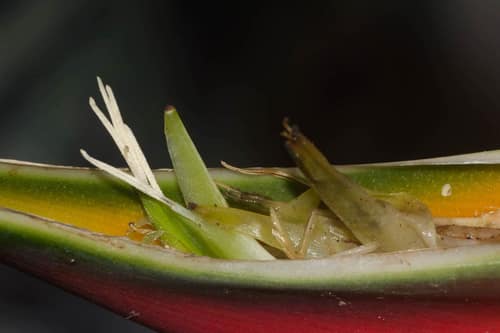
Same Genus (c) Kevin Faccenda, some rights reserved (CC BY), uploaded by Kevin Faccenda · cc-by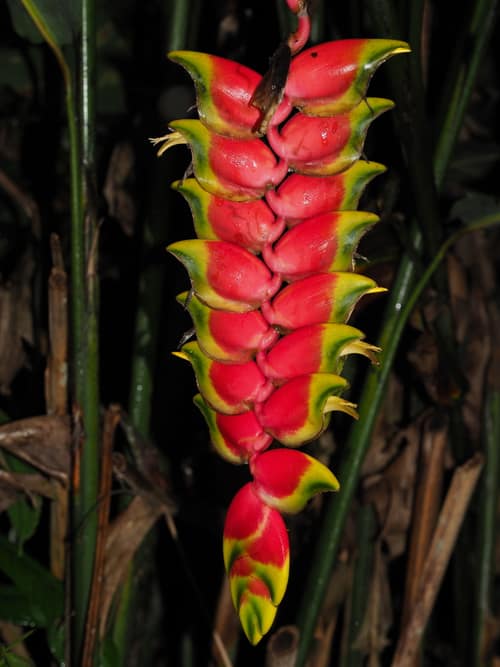
Same Genus (c) Rosario, some rights reserved (CC BY), uploaded by Rosario · cc-by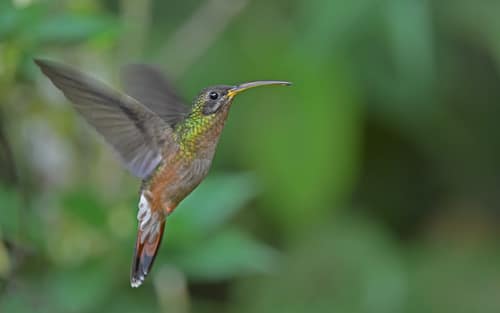
Pollinator (c) Christoph Moning, some rights reserved (CC BY), uploaded by Christoph Moning · cc-by
Help improve the field guideSomething wrong?
Checking your Fauna account…Report a name, category, or profile issue for review.