
Plant
Orange Ginger Lily
Hedychium coccineumAlso known as Scarlet Ginger Lily, Orange Bottlebrush Ginger, Red Butterfly Ginger
Orange ginger lily commands attention in moist montane forests with upright leafy stems that culminate in dense, glowing cylindrical flower spikes. Long, slender stamens flare outward from each fiery red or orange petal, creating a bottlebrush silhouette designed to brush pollen onto the bodies of visiting swallowtail butterflies and sunbirds. In winter or prolonged dry spells, the leafy canes die back to thick underground rhizomes that store nutrients until warm rains spark rapid spring regrowth.
FloweringRhizomatousTropical
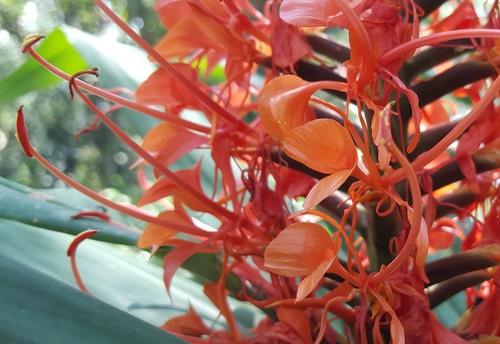
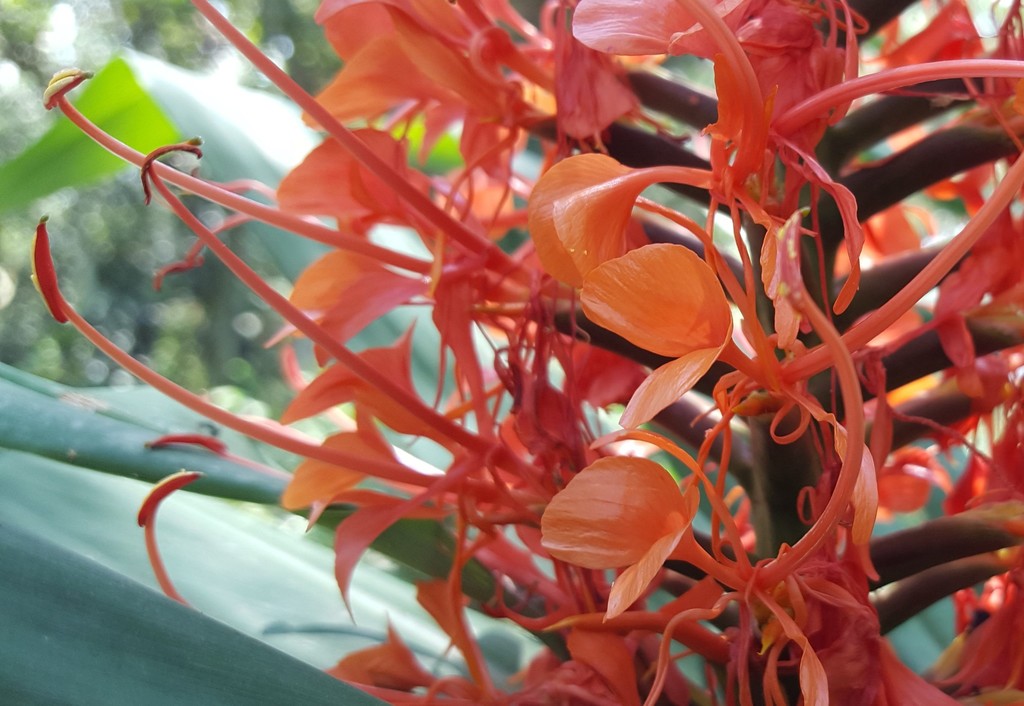
—observations
—countries
—peak records
Least ConcernConservation statusIUCN Red List categoriesLCNTVUENCREWEXLeast ConcernRed List categories, explained →
Diet & preyAutotrophic (photosynthetic)
Predators
- Snails
- Slugs
- Caterpillars
ThreatsLocalized habitat loss and forest clearing in parts of its native range
HabitatsMontane forest margins, damp ravines, stream banks, and humid valleys
Life spanPerennial (indefinite via rhizomes)
Classification
- OrderZingiberales
- FamilyZingiberaceae
- GenusHedychium
- SpeciesHedychium coccineum
Range data is not available yet.
Interaction riskLow
- Low
- Moderate
- High
- Very high
- Why interaction risk is low
- Safe to observe at a normal distance.
Responsible observation
- Bloom Watching: Check mature inflorescences during late summer and early autumn when nectar production peaks.
- Root Care: Avoid stepping on shallow soil mounds where fleshy rhizomes spread horizontally beneath the leaf litter.
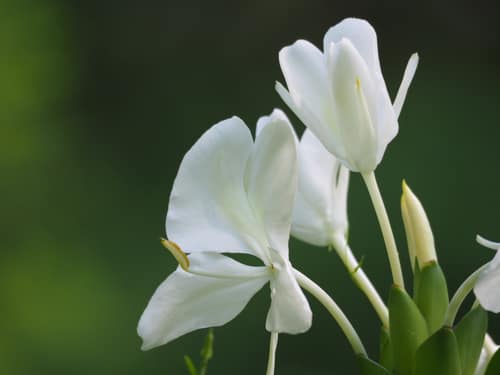
Close Relative no rights reserved, uploaded by 葉子 · cc0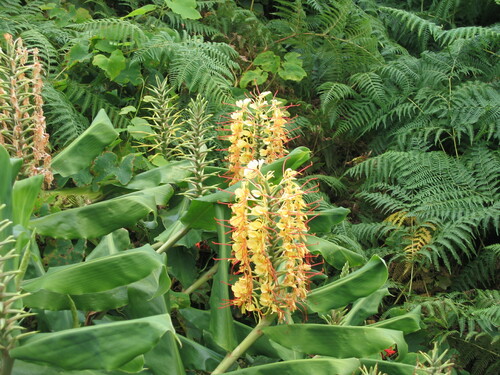
Close Relative (c) zebedeugalinha, some rights reserved (CC BY) · cc-by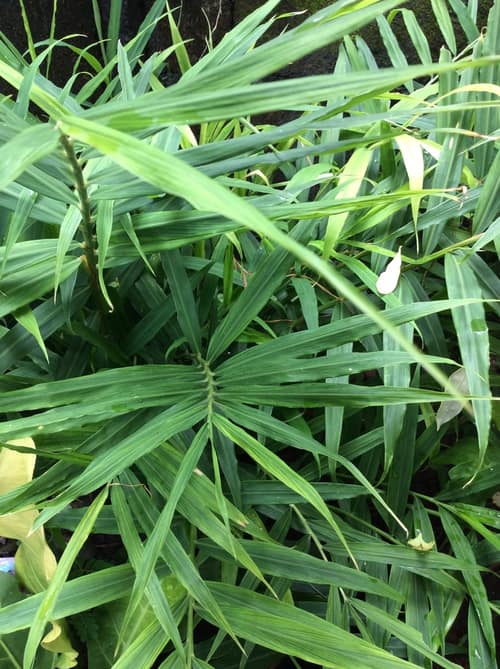
Same Family (c) Greg III Espera, some rights reserved (CC BY), uploaded by Greg III Espera · cc-by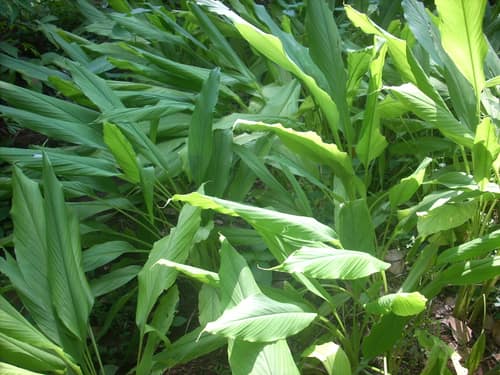
Same Family (c) Manojk, some rights reserved (CC BY-SA) · cc-by-sa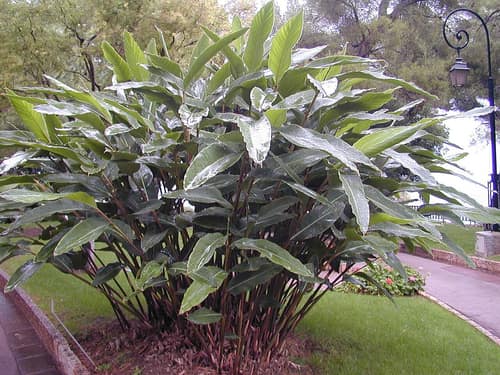
Same Family Semnoz / CC BY-SA 3.0 · cc-by-sa
Help improve the field guideSomething wrong?
Checking your Fauna account…Report a name, category, or profile issue for review.