
Plant
Hill Turmeric
Curcuma pseudomontanaAlso known as Wild Turmeric, Hill Curcuma
Hill turmeric is a wild perennial herb endemic to the moist deciduous forests and grassy slopes of Peninsular India. Emerging dramatically with the onset of monsoon rains, it produces striking flower spikes topped with vivid pink to magenta bracts above small yellow flowers. The plant dies back to underground storage tubers during the dry season, allowing it to survive prolonged droughts.
Monsoon BloomShowy BractsEndemic
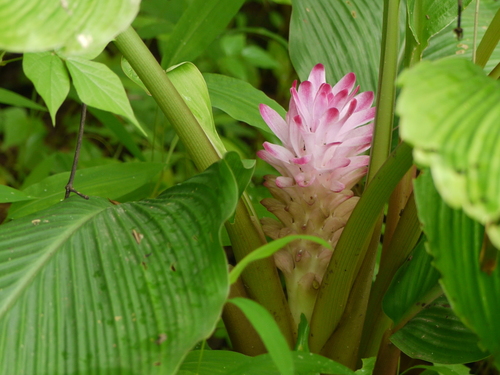
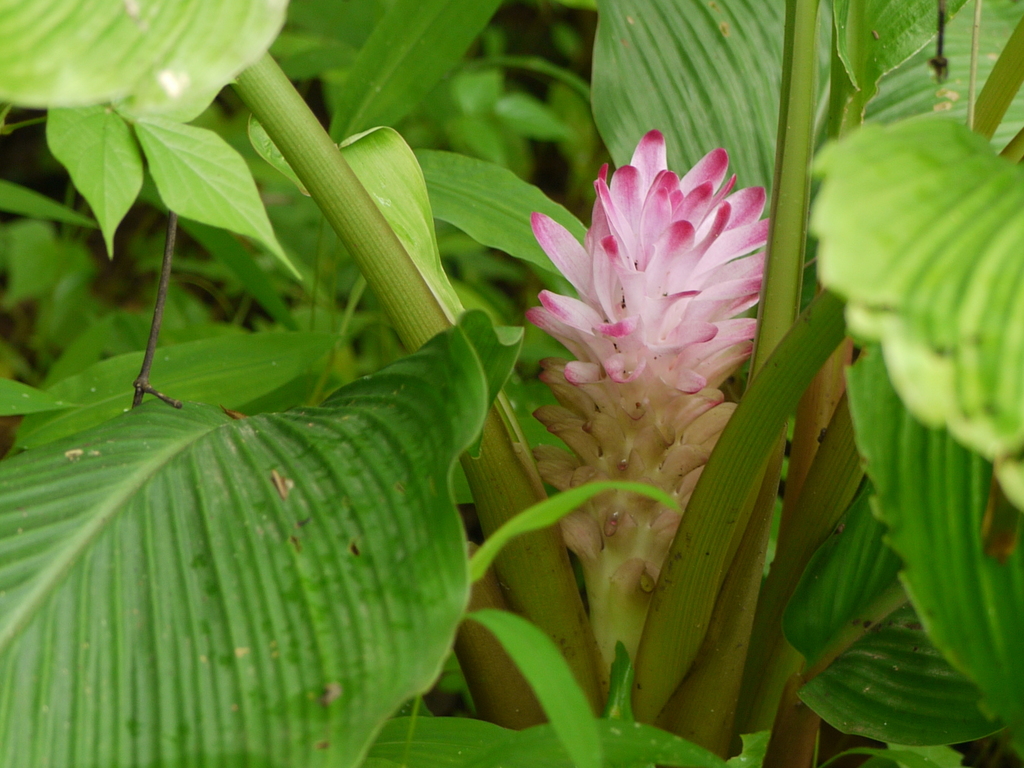
—observations
—countries
—peak records
VulnerableConservation statusIUCN Red List categoriesLCNTVUENCREWEXVulnerableRed List categories, explained →
Diet & preyAutotrophic (Photosynthetic)
Predators
- Wild Boars
- Porcupines
- Herbivorous Caterpillars
ThreatsOver-harvesting of rhizomes for traditional medicine, habitat clearance
HabitatsMoist deciduous forests, rocky hillsides, forest clearings
Life spanPerennial (tubers persist indefinitely)
Classification
- FamilyZingiberaceae
- SpeciesCurcuma pseudomontana
Range data is not available yet.
Interaction riskLow
- Low
- Moderate
- High
- Very high
- Why interaction risk is low
- Wild roots have toxic look-alikes; never ingest wild tubers based on app identification alone.
- What to notice
- Look for upright flower spikes with bright magenta top bracts emerging directly from forest soil.
- Support conservation
- Observe and photograph plants without digging near the roots or trampling fragile forest soil.
Responsible observation
- Monsoon Timing: Look for colorful flowering spikes shortly after the monsoon rains begin.
- Habitat Spotting: Search shady forest floors and damp hill slopes in Western Ghats forests.
- Observe Distantly: Leave underground tubers intact to protect wild populations from decline.
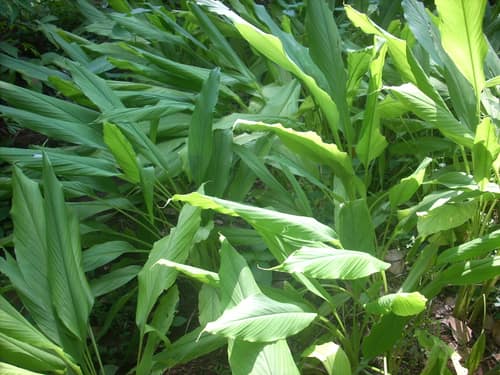
Close Relative (c) Manojk, some rights reserved (CC BY-SA) · cc-by-sa Image unavailable
Close Relative 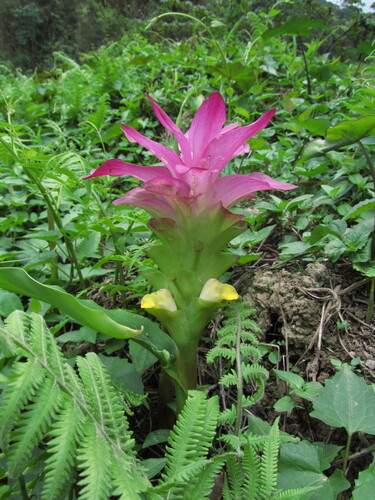
Close Relative (c) Purnendu Roy, some rights reserved (CC BY) · cc-by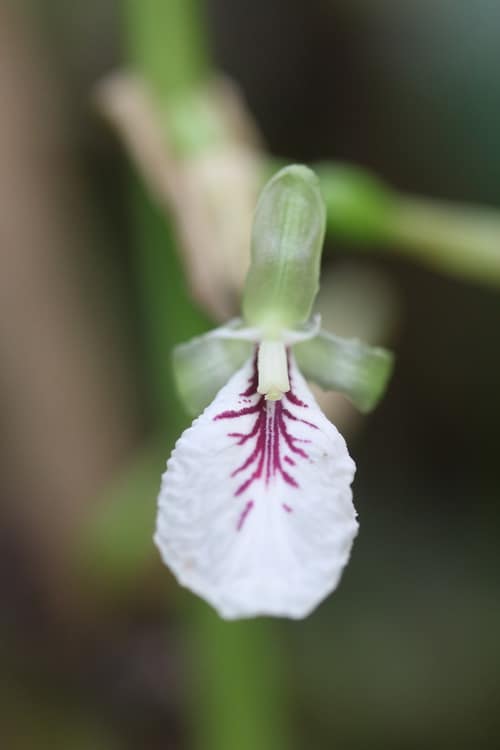
Family Member (c) Skjold Søndergaard, some rights reserved (CC BY) · cc-by
Help improve the field guideSomething wrong?
Checking your Fauna account…Report a name, category, or profile issue for review.