
Plant · GBIF taxon 2757280
Ginger
Zingiber officinaleAlso known as Common Ginger, True Ginger, Garden Ginger, Canton Ginger
Ginger thrives in warm, humid tropical climates, producing dense clusters of reed-like leafy stems from thick, aromatic underground rhizomes. Centuries of vegetative propagation have rendered cultivated plants essentially sterile, so populations almost never set seed and rely entirely on rhizome division to reproduce. Its cone-like flowering spikes emerge on separate leafless shoots directly from the soil, displaying pale yellow blooms tipped with vibrant purple.
PerennialAromaticCultivated
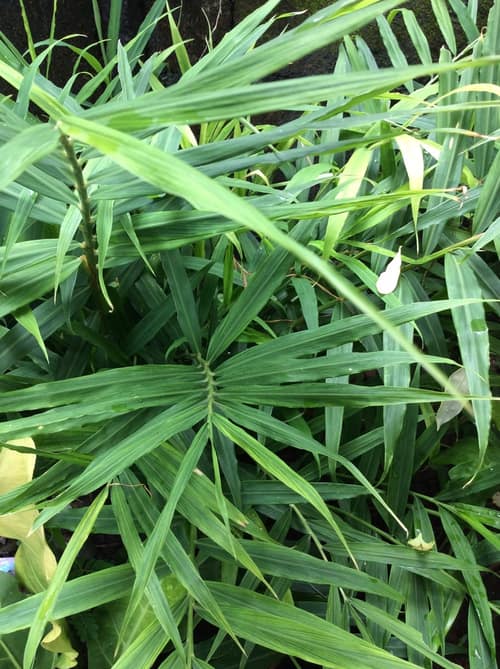
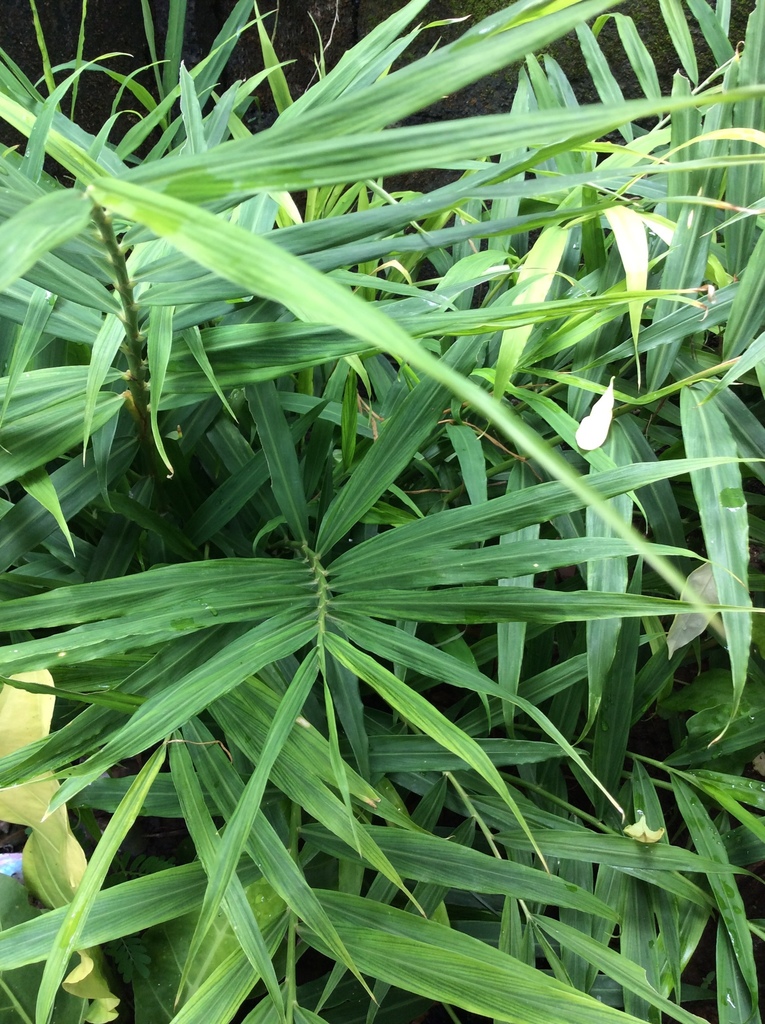 1 / 7
1 / 7—observations
—countries
—peak records
Data DeficientConservation statusIUCN Red List categoriesLCNTVUENCREWEXData Deficient — not placed on the risk ladderRed List categories, explained →
Diet & prey
- Autotrophic (photosynthesis)
Predators
Not available
ThreatsBacterial wilt, rhizome soft rot, and root-knot nematodes
HabitatsTropical understories, cultivation plots, and home gardens
Life spanPerennial (rhizomes persist indefinitely through clonal division)
Size / weightNot available
Classification
- OrderZingiberales
- FamilyZingiberaceae
- GenusZingiber
- SpeciesZingiber officinale
Range data is not available yet.
Interaction riskLow
- Low
- Moderate
- High
- Very high
- Why interaction risk is low
- Safe to observe at a normal distance.
Responsible observation
- Growing: Plant fresh rhizome pieces with plump buds in rich, well-draining potting mix.
- Harvesting: Unearth rhizome clusters once leafy stalks begin yellowing in late autumn.
- Care: Maintain steady soil moisture and partial shade to avoid scorched leaves.
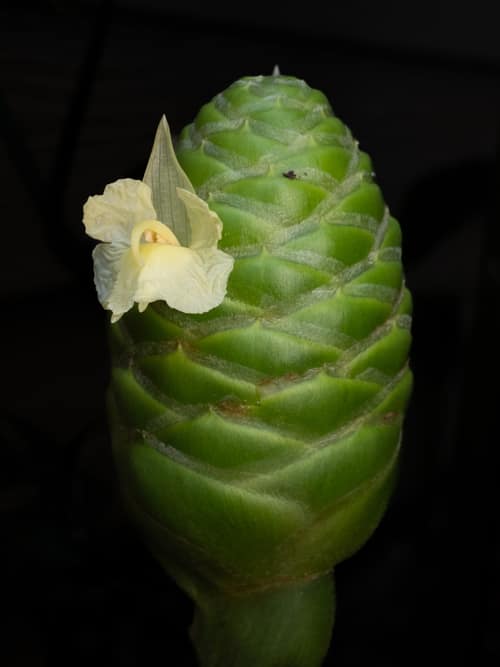
Same Genus (c) Alex Abair, some rights reserved (CC BY), uploaded by Alex Abair · cc-by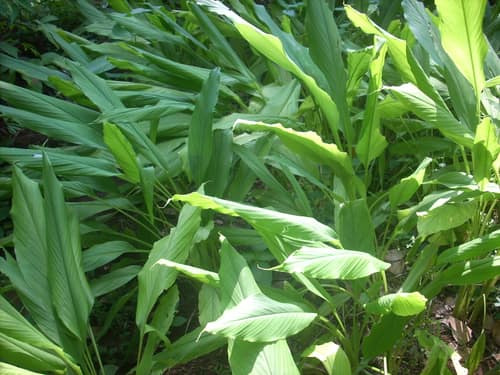
Same Family (c) Manojk, some rights reserved (CC BY-SA) · cc-by-sa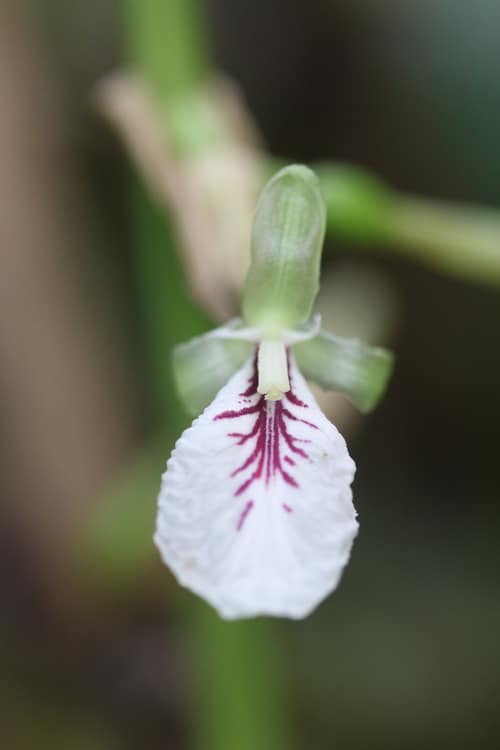
Same Family (c) Skjold Søndergaard, some rights reserved (CC BY) · cc-by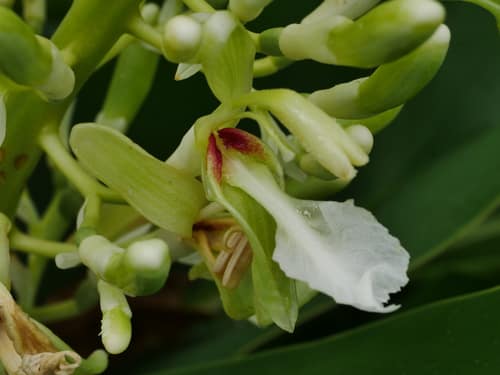
Same Family (c) Jacy Chen, some rights reserved (CC BY), uploaded by Jacy Chen · cc-by
Help improve the field guideSomething wrong?
Checking your Fauna account…Report a name, category, or profile issue for review.