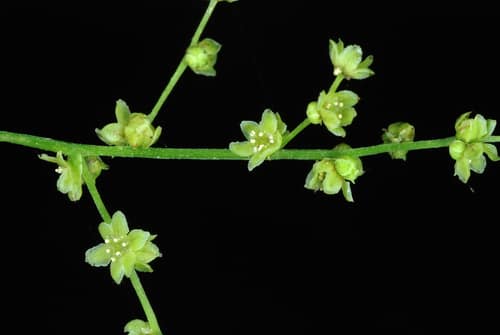
Also known as Bitter Yam, Aerial Yam, Bulb-bearing Yam
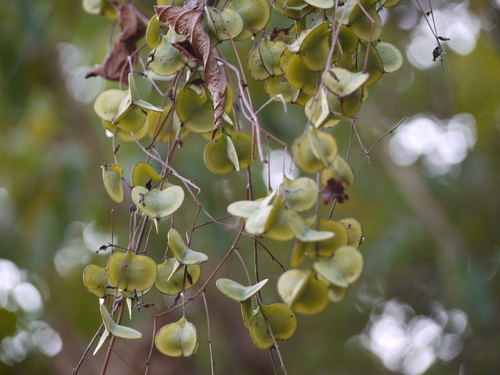
Air potato climbs aggressively by twining clockwise up tree trunks and forest understory, forming dense curtains that easily blanket and shade out native canopy vegetation. Its most recognizable feature is the production of abundant, potato-like aerial tubers called bulbils that sprout along leaf axils and drop to propagate clones. While cultivated strains have traditional uses in tropical regions, wild varieties contain toxic alkaloids and rank among the most invasive introduced vines across the southeastern United States.
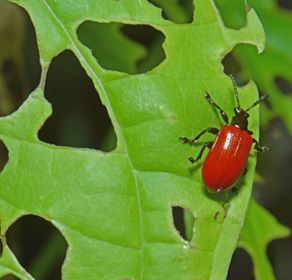
ThreatsTargeted eradication and biological control beetles in non-native areas
HabitatsDisturbed forests, woodland borders, wetlands, and tropical thickets
Life spanPerennial vine
Classification
OrderDioscoreales
FamilyDioscoreaceae
GenusDioscorea
SpeciesDioscorea bulbifera
Range & activity
Range data is not available yet.
Safe observation
Interaction riskHigh
Low
Moderate
High
Very high
Why interaction risk is high
Wild aerial tubers contain poisonous alkaloids; do not consume, and keep away from pets.
Why it is dangerous
Contains toxic diterpenes and the alkaloid dioscoreine, which trigger severe vomiting, abdominal pain, diarrhea, and central nervous depression if ingested.
How to recognize a risky encounter
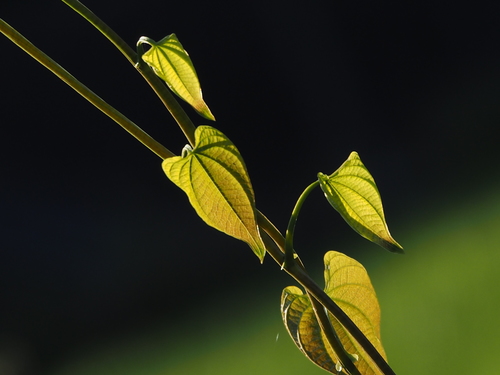
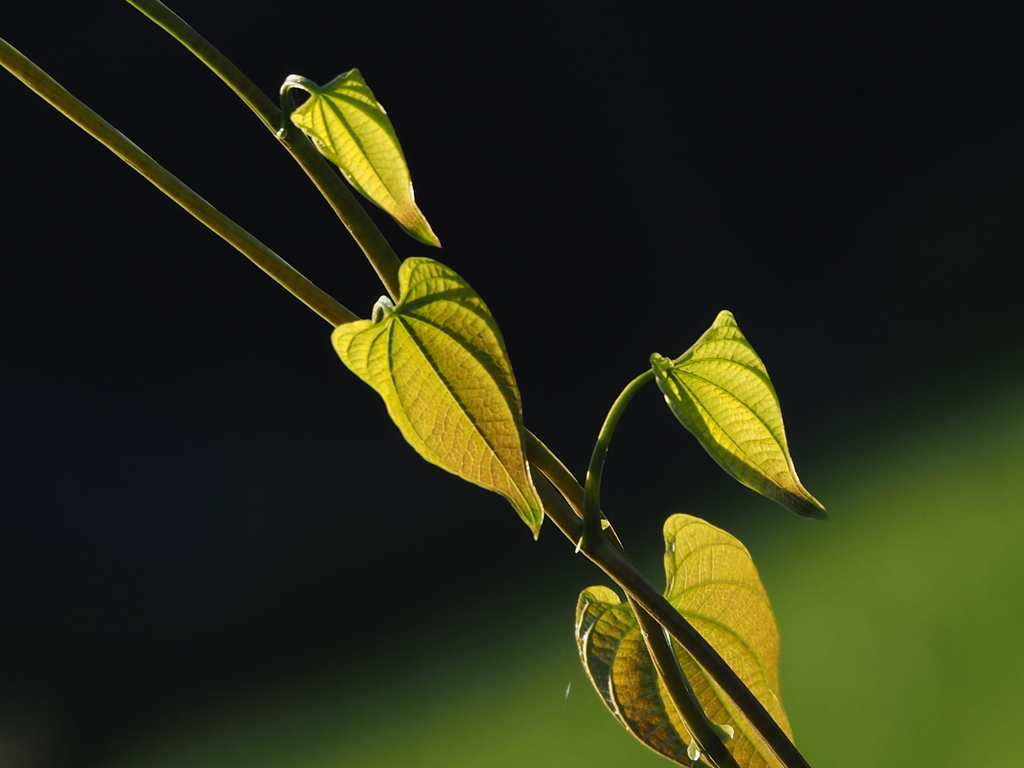
Heart-shaped alternate leaves with prominent veins spreading from the base, twining clockwise with bumpy brown aerial bulbils.
What to do
Do not taste or eat wild tubers; wear gloves when pulling vines to avoid skin contact with sap.
Responsible observation
Identification: Look for heart-shaped, alternate leaves with distinct arched veins and woody, aerial tubers nestled along the stem.
Removal: Bag and discard aerial bulbils in household trash rather than compost to prevent new infestations from sprouting.