
Flower
Bluebead Lily
Clintonia borealisAlso known as Yellow Clintonia, Clinton's Lily, Corn-Lily
Bluebead lilies carpet northern forest floors with glossy, basal leaves that arise each spring from creeping rhizomes. Delicate, nodding greenish-yellow flowers appear in late spring, followed in midsummer by striking porcelain-blue berries that give the plant its namesake look. These long-lived woodland perennials spread slowly, playing a vital role in stabilizing rich, acidic forest soils.
WoodlandWildflowerPerennial
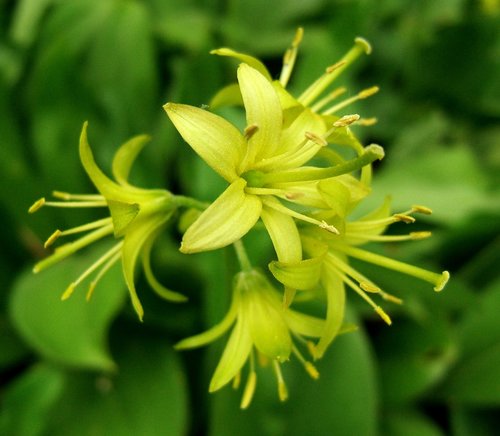
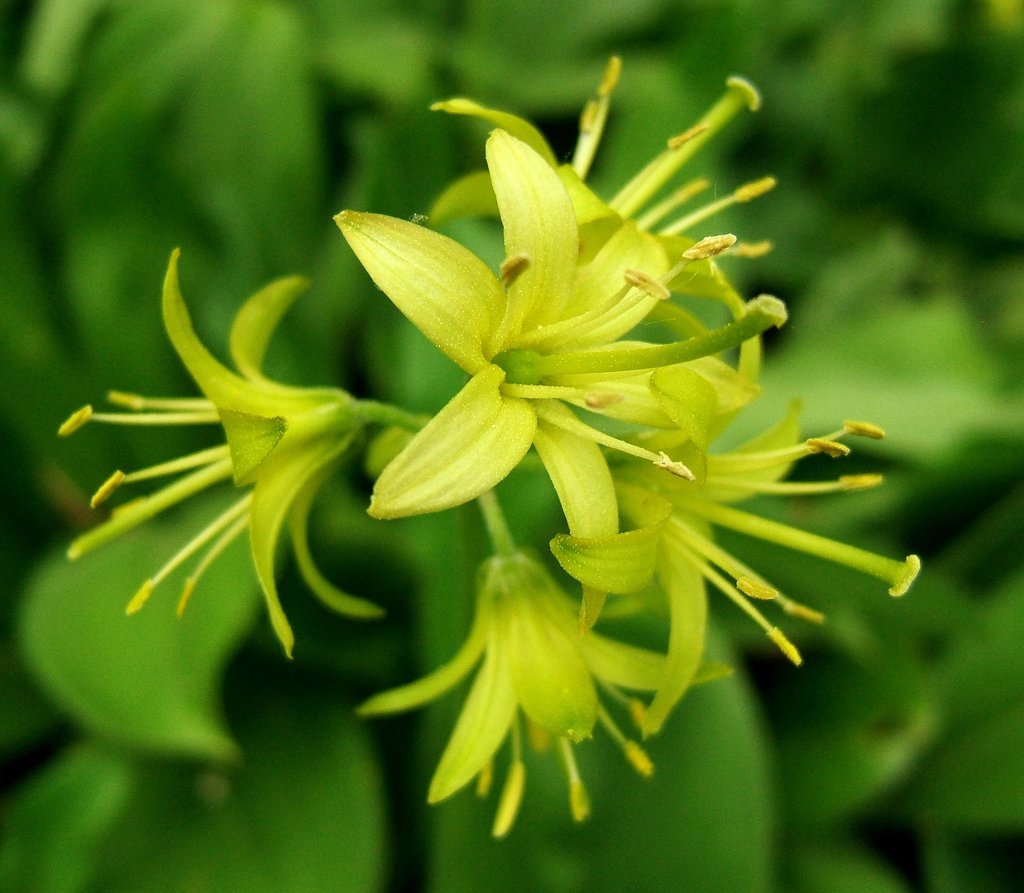
—observations
—countries
—peak records
Least ConcernConservation statusIUCN Red List categoriesLCNTVUENCREWEXLeast ConcernRed List categories, explained →
Diet & preyAutotroph (photosynthesis)
Predators
- White-tailed Deer
- Chipmunks
- Woodland Mice
ThreatsOverbrowsing by deer, habitat fragmentation, and logging disturbance
HabitatsBoreal and mixed coniferous-deciduous forests, shaded bogs, and cool mountain slopes
Life spanPerennial (rhizome colonies live for decades)
Classification
- OrderLiliales
- FamilyLiliaceae
- GenusClintonia
- SpeciesClintonia borealis
Range data is not available yet.
Interaction riskHigh
- Low
- Moderate
- High
- Very high
- Why interaction risk is high
- Berries contain toxins that cause nausea; wild berries also have deadly look-alikes, so never ingest.
- Why it is dangerous
- The berries contain saponins and toxic glycosides that can cause severe gastrointestinal distress, vomiting, and diarrhea.
- How to recognize a risky encounter
- Recognizable by bright, glossy cobalt-blue berries clustered on a leafless upright stalk above wide, oval basal leaves.
- What to do
- Admire and photograph the plant from trailside without picking, and keep curious pets and children from sampling berries.
Responsible observation
- Photography: Focus close on the nodding flowers in June or the vivid metallic-blue berries in August.
- Trail Etiquette: Step carefully around colonies to avoid damaging shallow rhizomes and slow-growing shoots.
- Field Identification: Check for two to four glossy, hairless basal leaves lacking a leafy stem.
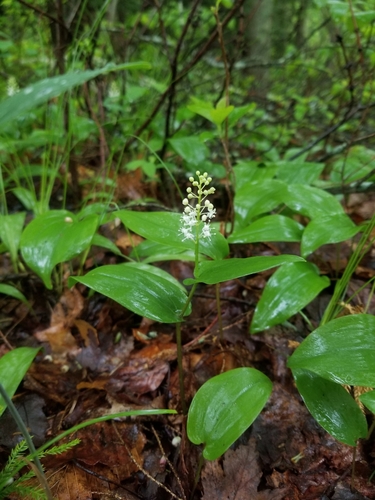
Frequent Companion no rights reserved, uploaded by Kevin Keegan · cc0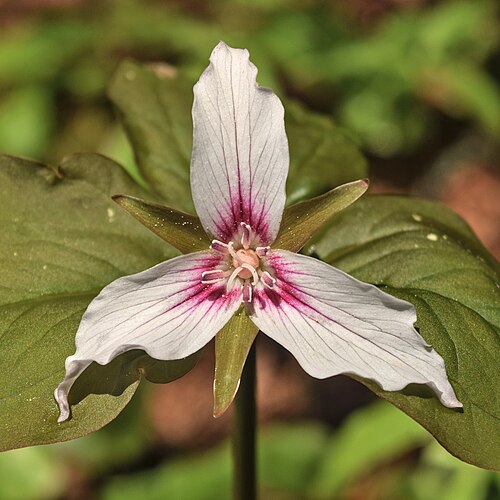
Frequent Companion The Cosmonaut / CC BY-SA 2.5 ca · cc-by-sa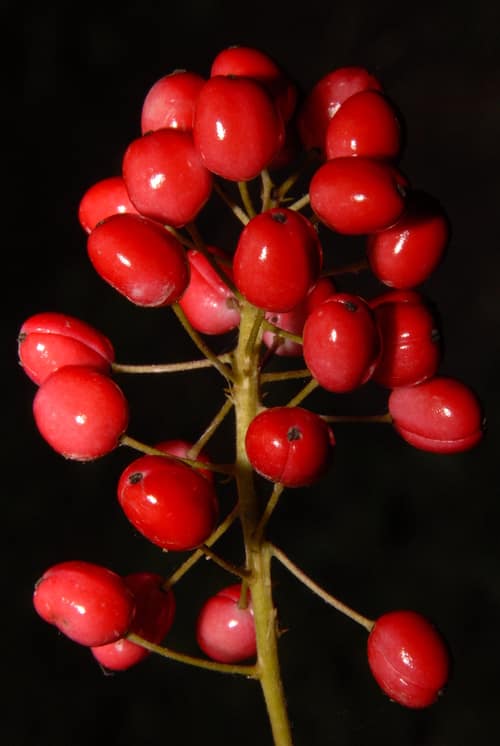
Look-Alike (c) Brian Finzel, some rights reserved (CC BY-SA), uploaded by Brian Finzel · cc-by-sa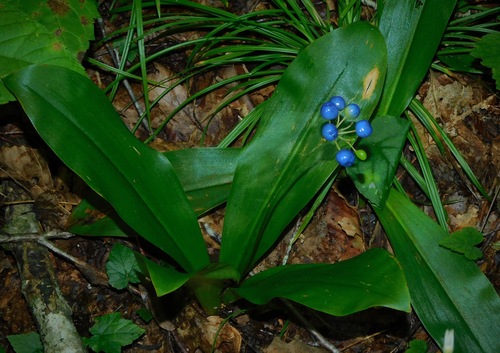
Close Relative (c) Michael J. Papay, some rights reserved (CC BY), uploaded by Michael J. Papay · cc-by
Help improve the field guideSomething wrong?
Checking your Fauna account…Report a name, category, or profile issue for review.