
Flower · GBIF taxon 2753465
Siberian Lily
Lilium pensylvanicumAlso known as Daurian Lily, Candlestick Lily
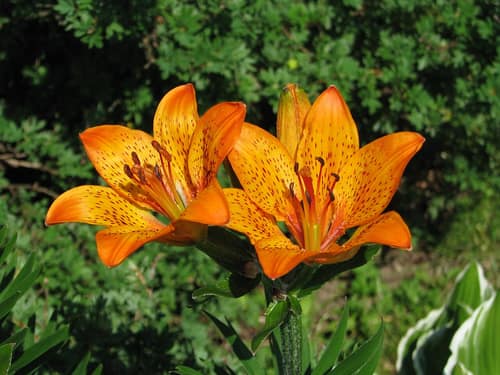
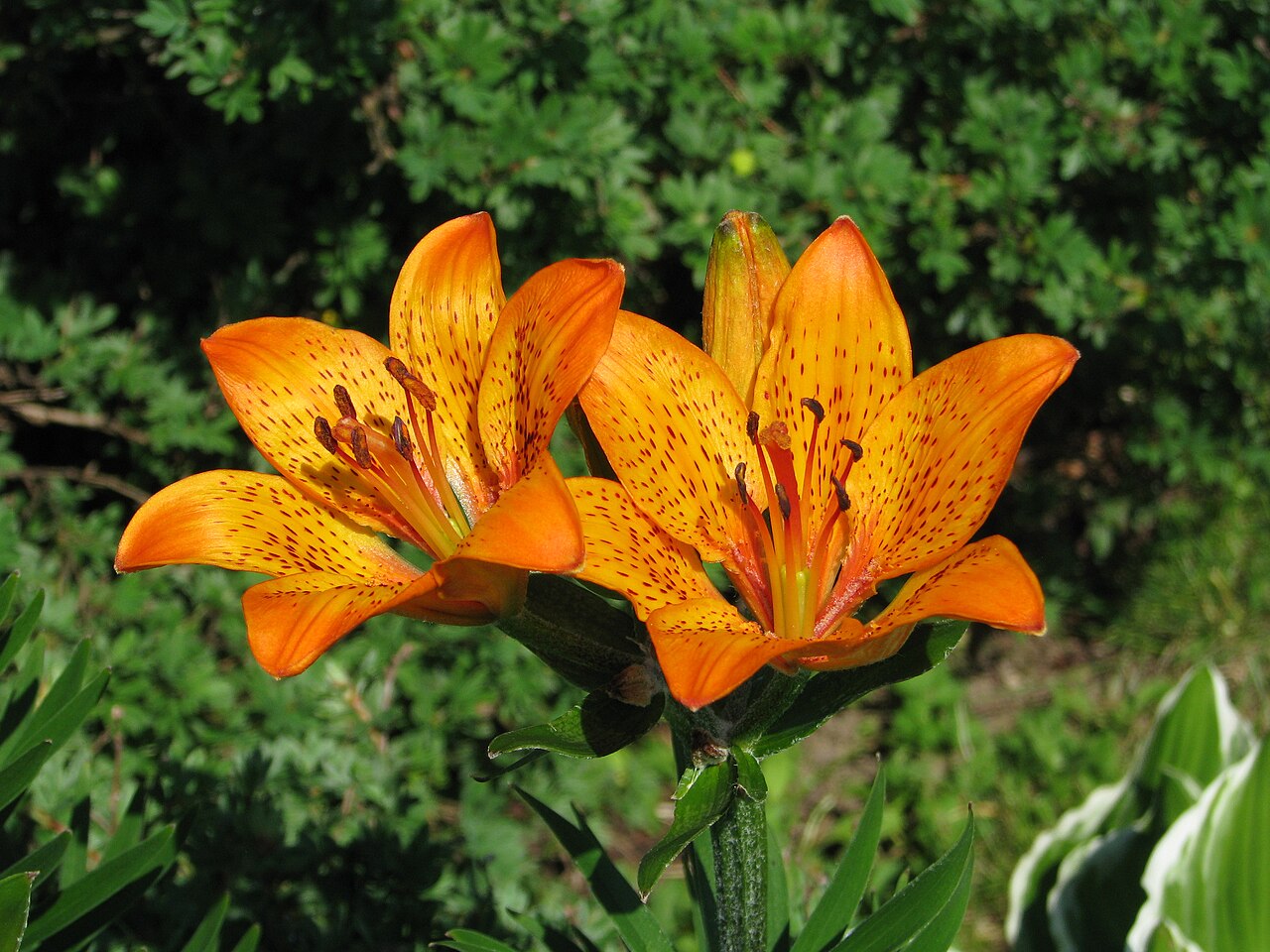
Siberian lilies produce brilliant upward-facing, cup-shaped blooms in shades of fiery orange to crimson, spotted with dark purple flecks near the throat. Adapted to harsh boreal winters, they require extensive sub-zero freezing periods to break bulb dormancy before shooting up vigorously each spring. In wild subalpine meadows and birch forest edges, their bold summer blossoms provide high-reward nectar stops for large bumblebees and swallowtail butterflies.
WildflowerPerennialCold-Hardy
—observations
—countries
—peak records
Not EvaluatedConservation statusIUCN Red List categoriesLCNTVUENCREWEXNot Evaluated — not placed on the risk ladderRed List categories, explained →
Diet & prey
- Sunlight
- Water
- Soil nutrients
Predators
- Scarlet lily beetle
- Roe deer
- Root voles
ThreatsWild bulb poaching, grazing by livestock, and localized habitat disturbance
HabitatsMeadows, scrublands, open birch forests, and moist montane slopes
Life spanPerennial (decades through continuous clonal bulb production)
Classification
- OrderLiliales
- FamilyLiliaceae
- GenusLilium
- SpeciesLilium pensylvanicum
Range data is not available yet.
Interaction riskHigh
- Low
- Moderate
- High
- Very high
- Why interaction risk is high
- Extremely toxic and potentially fatal to cats if ingested; keep away from pets.
- Why it is dangerous
- Contains unidentified water-soluble toxins that induce severe, often fatal acute renal failure in domestic felines even in microgram doses of pollen.
- How to recognize a risky encounter
- Look for erect stems with whorled lance-like leaves topped by large, upright-facing spotted orange-red flowers.
- What to do
- Never bring cut wild blooms or bulbs into households with cats, and wash skin if handling pollen.
Responsible observation
- Field Observation: Watch for upward-facing orange-red flowers with distinct woolly hairs along the flower buds.
- Pet Precaution: Prevent pet cats from contacting foliage or pollen, as Lilium species cause acute feline kidney failure.
- Conservation Etiquette: Refrain from digging wild bulbs or picking flowers along montane trails.
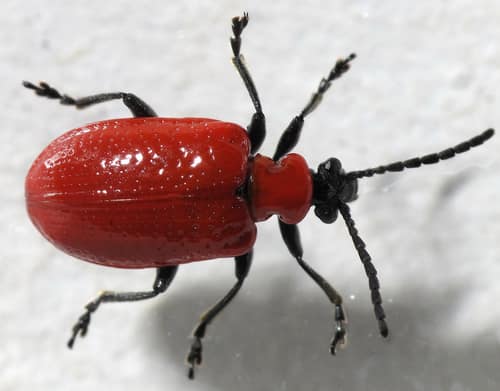
Herbivore (c) IES MANUEL GARCÃA BARROS A ESTRADA- PONTEVEDRA, some rights reserved (CC BY-SA) · cc-by-sa Image unavailable
Pollinator 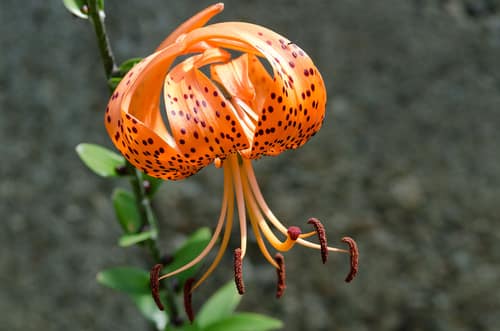
Close Relative Amada44 / CC BY-SA 3.0 · cc-by-saClose Relative
Help improve the field guideSomething wrong?
Checking your Fauna account…Report a name, category, or profile issue for review.