
Plant · GBIF taxon 2753278
Turk's-cap Lily
Lilium superbumAlso known as Turban Lily, Swamp Lily, Lily Royal, American Tiger Lily
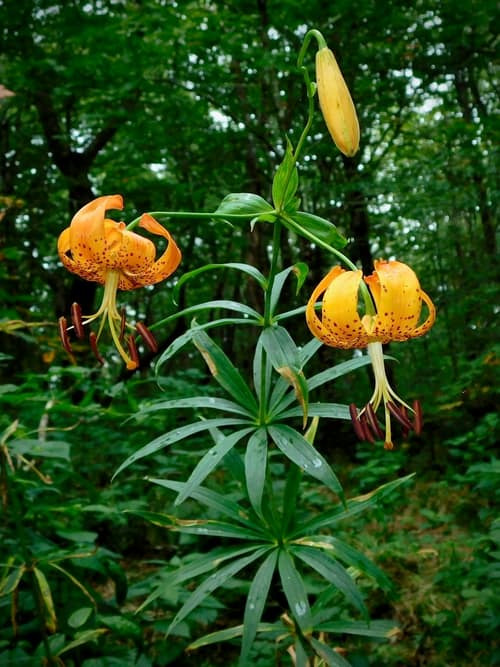
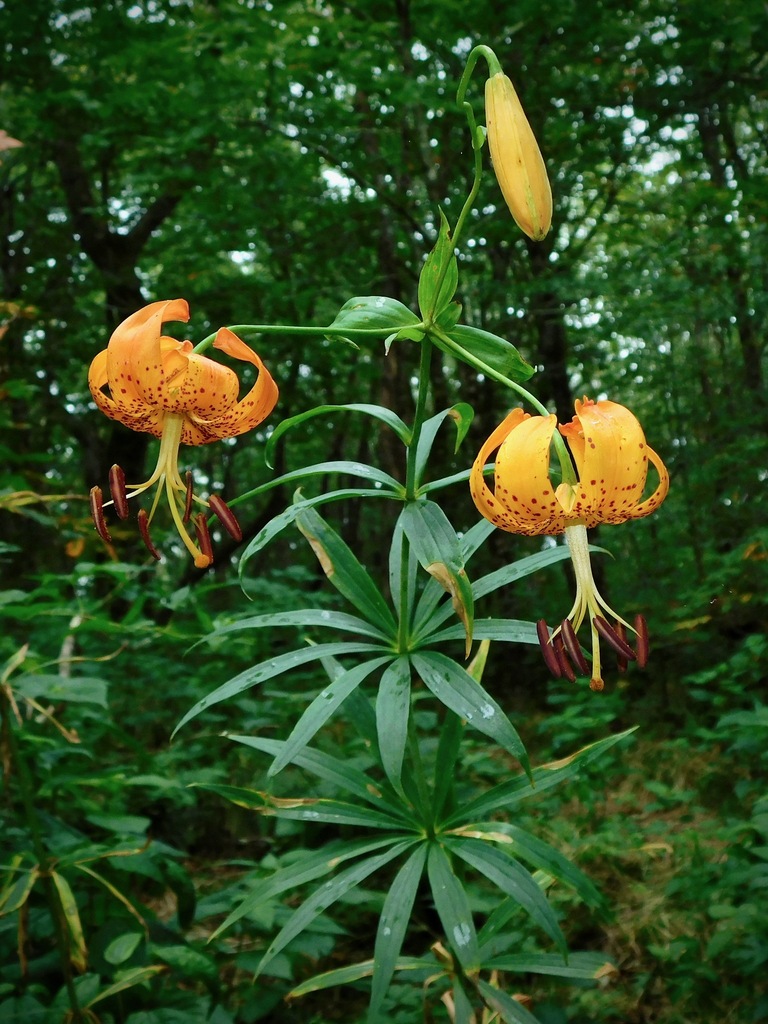
Turk's-cap lily is the tallest native lily in eastern North America, bearing dramatic pyramids of nodding, recurved orange blossoms in mid to late summer. Each flower features heavily backward-curving tepals spotted with maroon, exposing prominent dangling stamens with rust-colored anthers and a conspicuous green star at the center. Robust underground scaly bulbs store carbohydrates through frozen winters, enabling mature stems to support dozens of blooms that draw swallowtail butterflies and hummingbirds.
NativePerennialWetland
 1 / 7
1 / 7—observations
—countries
—peak records
Least ConcernConservation statusIUCN Red List categoriesLCNTVUENCREWEXLeast ConcernRed List categories, explained →
Diet & prey
- Autotrophic (photosynthetic)
Predators
- White-tailed Deer
- Scarlet Lily Beetle
- Eastern Chipmunk
ThreatsWhite-tailed deer browsing, wetland drainage, and wild collection
HabitatsWet meadows, moist prairies, bogs, and stream banks
Life spanPerennial (decades via bulb division)
Size / weightNot available
Classification
- OrderLiliales
- FamilyLiliaceae
- GenusLilium
- SpeciesLilium superbum
Range data is not available yet.
Interaction riskHigh
- Low
- Moderate
- High
- Very high
- Why interaction risk is high
- Highly toxic and potentially fatal to cats if ingested; safe to observe in the wild.
- Why it is dangerous
- All parts of true lilies contain unidentified nephrotoxins that cause severe, rapid kidney failure in domestic cats.
- How to recognize a risky encounter
- Recognize by very tall unbranched stems, whorled leaves, and nodding orange blooms with deeply reflexed spotted petals.
- What to do
- Do not bring any part of the plant indoors if cats are present; wash hands after accidental contact with pollen.
Responsible observation
- Viewing Season: Look for open blossoms in wet meadows and forest openings from July through August.
- Pet Safety: Keep felines away from cut flowers, as even ingested pollen grains trigger acute renal failure in cats.
- Leave Undisturbed: Admire plants where they grow, as digging wild bulbs damages fragile wetland communities.
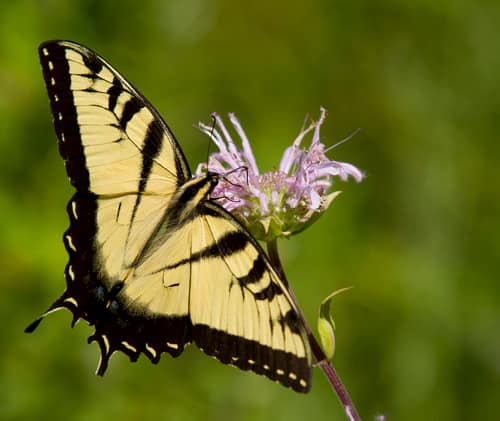
Pollinator "Eastern Tiger Swallowtail" by ShenandoahNPS is marked with Public Domain Mark 1.0. To view the terms, visit https://creativecommons.org/publicdomain/mark/1.0/. · cc0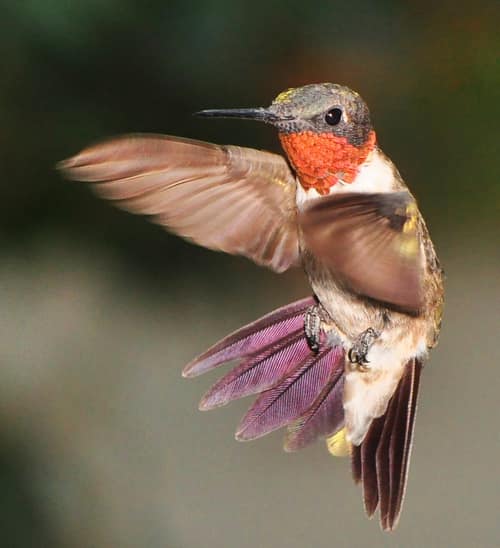
Pollinator jeffreyw / CC BY 2.0 · cc-by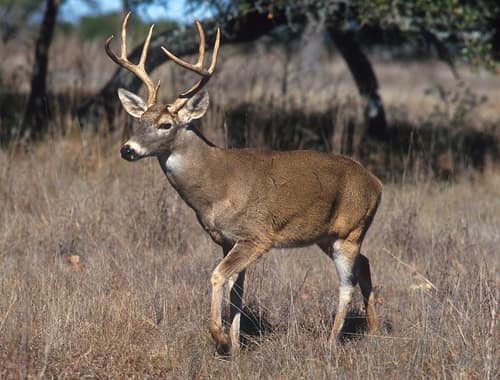
Predator USDA photo by Scott Bauer / Public domain · cc0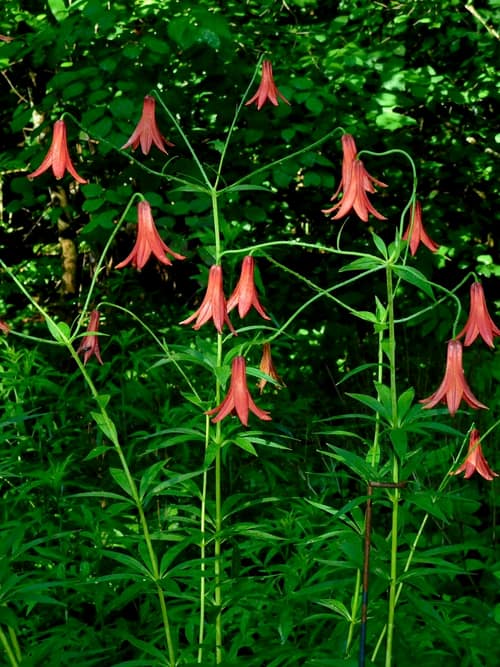
Close Relative (c) Michael J. Papay, some rights reserved (CC BY), uploaded by Michael J. Papay · cc-by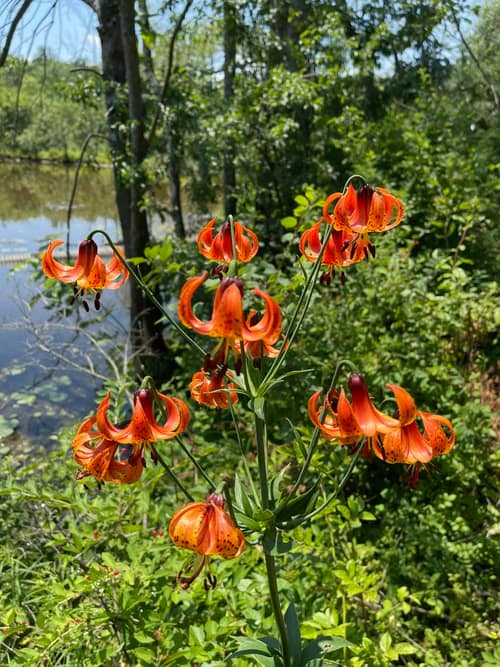
Close Relative (c) Cullen Hanks, some rights reserved (CC BY), uploaded by Cullen Hanks · cc-by
Help improve the field guideSomething wrong?
Checking your Fauna account…Report a name, category, or profile issue for review.