Also known as Common Corn-Flag, Corn Flag, Wild Gladiolus
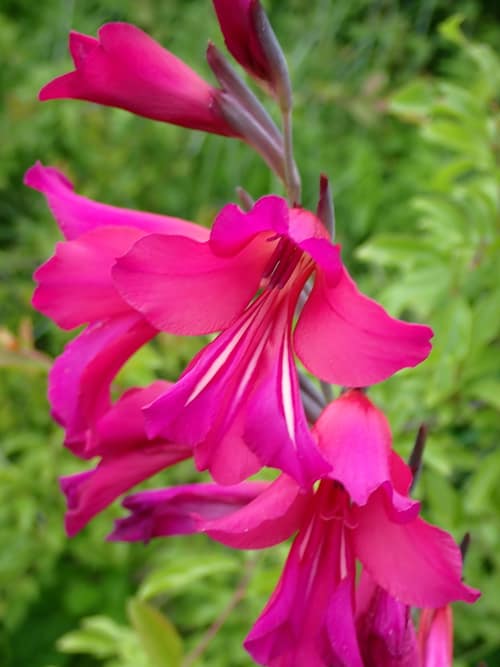
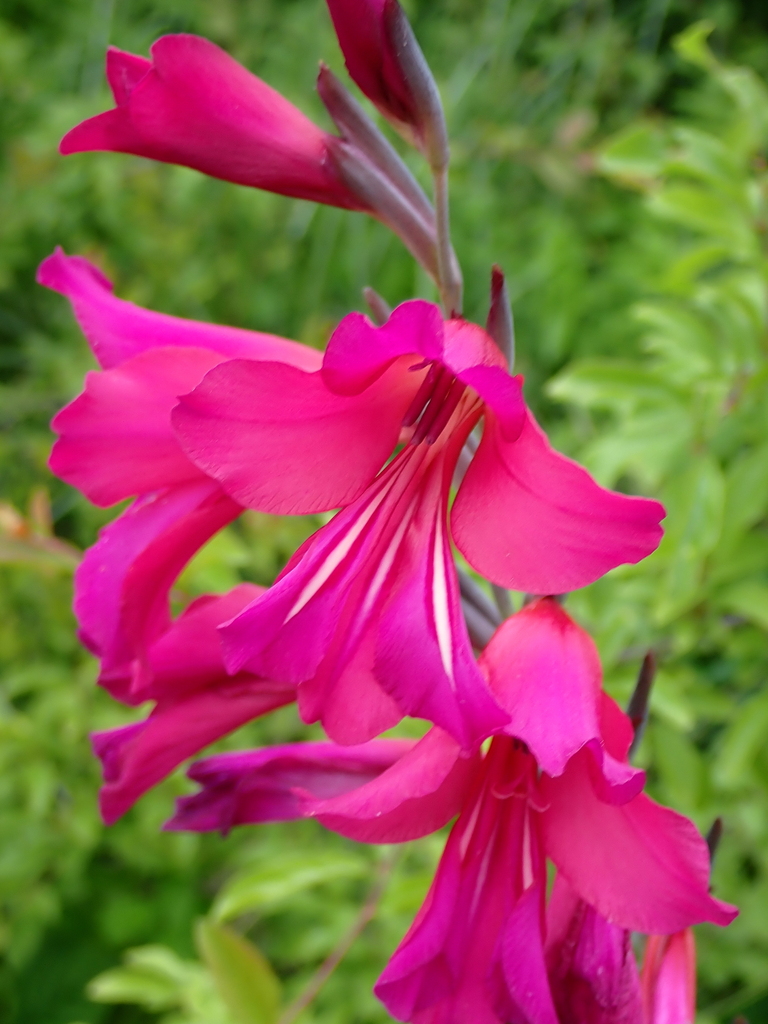
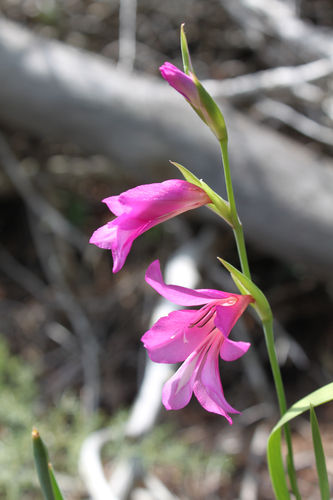
Eastern gladiolus produces elegant spikes of rich magenta-pink, trumpet-shaped flowers that bloom almost exclusively along one side of tall, arching stems. Rising from underground corms, its stiff, sword-like foliage blends naturally into sunny Mediterranean meadows, rocky hillsides, and rustic garden borders. Long cultivated for its striking spring display, this hardy wild perennial attracts long-tongued bees and butterflies that navigate its open blossoms to sip nectar.
Corms contain toxic saponins; keep pets away and do not ingest any plant parts.
Why it is dangerous
Contains saponins and iridaceous compounds concentrated in the corm that cause gastrointestinal irritation and severe drooling if ingested by dogs or cats.
How to recognize a risky encounter
Look for tall erect stems bearing single-sided spikes of magenta trumpet flowers alongside stiff, sword-like leaves.
What to do
Wear garden gloves when digging corms and keep domestic pets away from exposed planting areas.
Responsible observation
Observation: Look for rich magenta flower spikes rising above tall grasses in late spring.
Gardening: Plant corms in sunny, well-draining soil where winters remain relatively mild.
Photography: Capture the unilateral floral arrangement in bright morning sunlight.