
Plant
Wild Saffron
Crocus cartwrightianusAlso known as Cartwright's Crocus
Wild Saffron is the diploid ancestor of cultivated saffron, thriving on rocky limestone hillsides and coastal scrub across mainland Greece, Crete, Euboea, Skyros, and the Cyclades. Following the first autumn rains, compact lilac or white flowers with deep purple veins and vivid red three-branched stigmas push up alongside narrow grass-like leaves. Bees and hoverflies pollinate the blooms through late autumn and early winter before the plant retreats to its underground corm for the dry Mediterranean summer.
Autumn-bloomingCormousFlowering
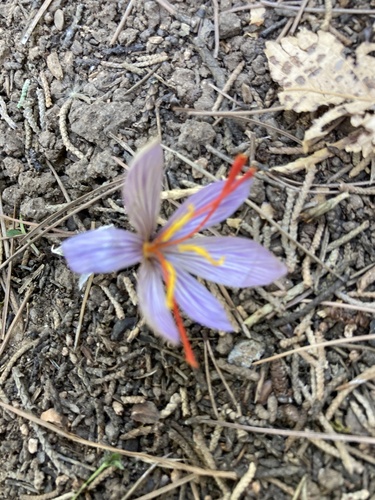
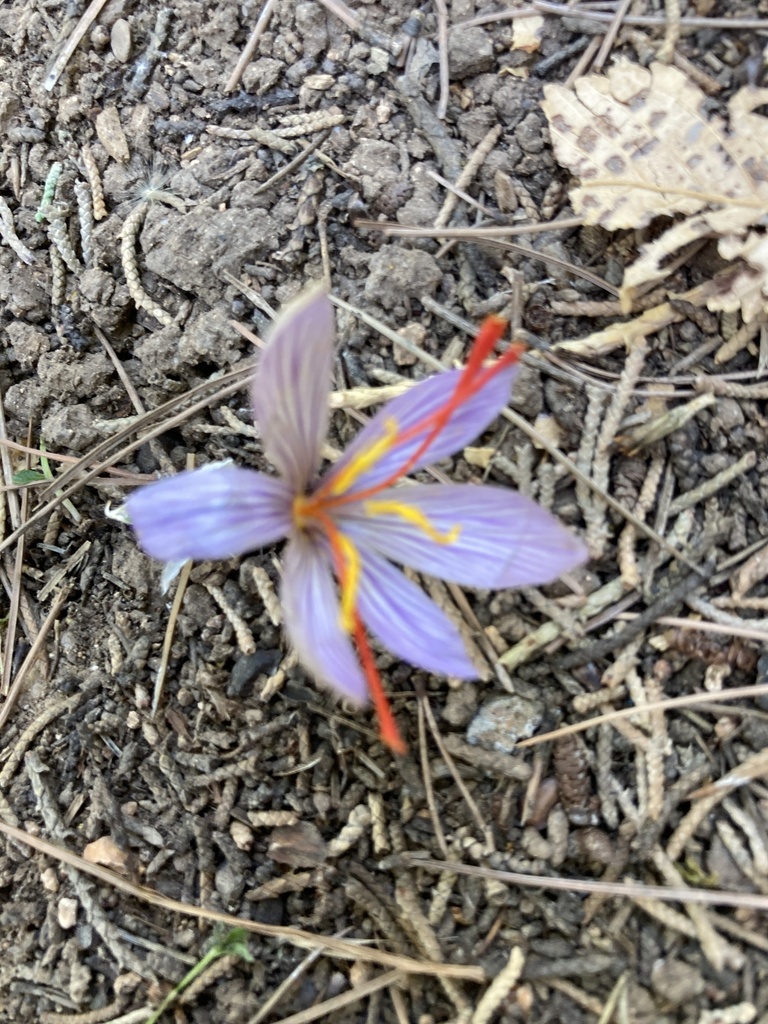
—observations
—countries
—peak records
Least ConcernConservation statusIUCN Red List categoriesLCNTVUENCREWEXLeast ConcernRed List categories, explained →
Diet & preySunlight, Soil moisture, Mineral nutrients
Predators
- Wild boars
- Rodents
- Grazing goats
ThreatsIllegal wild harvesting of stigmas and corms, coastal development, and overgrazing
HabitatsDry rocky hillsides, Mediterranean phrygana scrub, and open pine woodlands
Life spanPerennial (corms persist for many years)
Classification
- FamilyIridaceae
- SpeciesCrocus cartwrightianus
Range data is not available yet.
Interaction riskLow
- Low
- Moderate
- High
- Very high
- Why interaction risk is low
- Safe to observe at a normal distance, though never confuse it with toxic Colchicum look-alikes.
Responsible observation
- Time your search: Look on limestone slopes in late autumn after the first seasonal rains trigger flowering.
- Count the stamens: True crocuses have three stamens, whereas toxic Colchicum look-alikes have six.
- Leave plants intact: Photograph the red stigmas in place without picking flowers or disturbing corms.
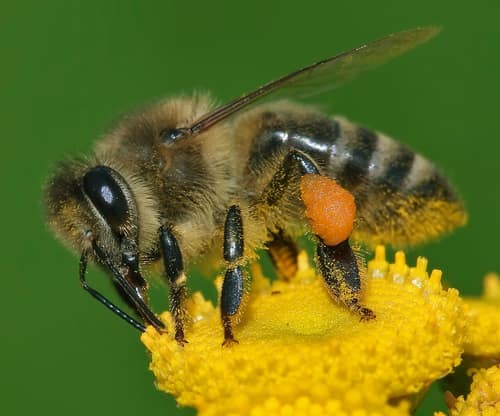
Pollinator Andreas Trepte / CC BY-SA 2.5 · cc-by-sa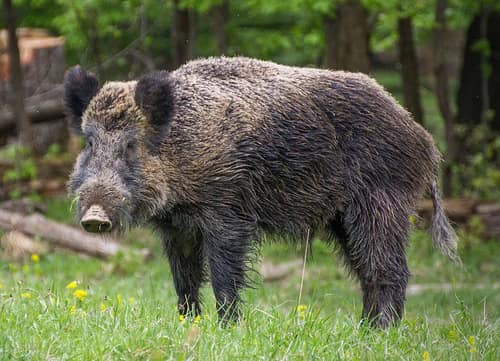
Corm Predator Valentin Panzirsch / CC BY-SA 3.0 at · cc-by-sa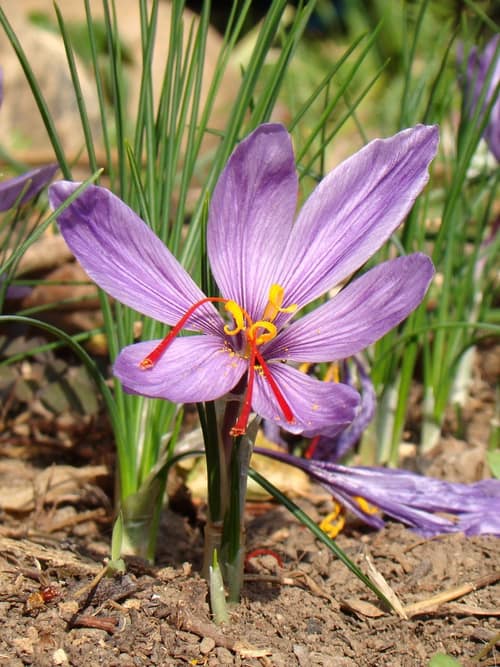
Close Relative (c) Юрий Данилевский (Yuriy Danilevsky), some rights reserved (CC BY), uploaded by Юрий Данилевский (Yuriy Danilevsky) · cc-by Image unavailable
Close Relative
Help improve the field guideSomething wrong?
Checking your Fauna account…Report a name, category, or profile issue for review.