
Flower
Woodland Crocus
Crocus tommasinianusAlso known as Early Crocus, Tommasini's Crocus, Tommies
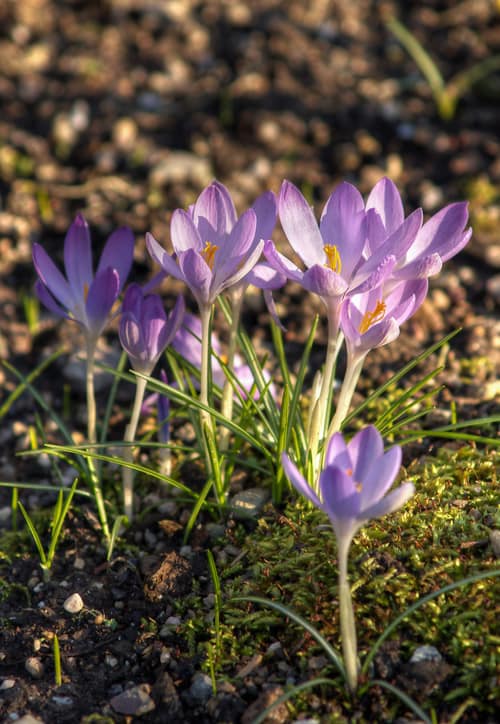
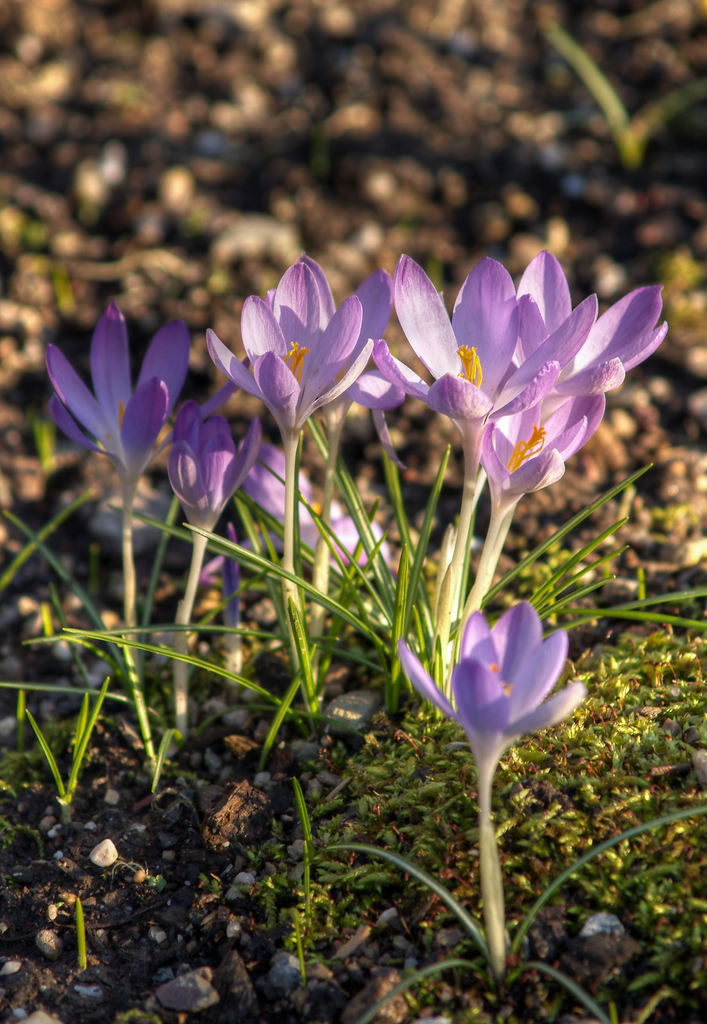
Woodland crocuses emerge through melting snow in late winter, displaying slender, lavender to reddish-purple flowers that open wide in bright sunlight. Growing from small underground corms, these delicate perennials quickly naturalize across lawn margins, woodlands, and rock gardens to form extensive purple drifts. Their silvery leaf stripes and squirrel-resistant corms make them an essential early nectar source for emerging queen bumblebees.
Early BloomerPerennialSpring Bulb
—observations
—countries
—peak records
Least ConcernConservation statusIUCN Red List categoriesLCNTVUENCREWEXLeast ConcernRed List categories, explained →
Diet & preyPhotosynthetic
Predators
- Voles
- Mice
- Slugs
ThreatsHabitat loss in native range, wild corm harvesting, and aggressive turf management
HabitatsDeciduous woodlands, brushy hillsides, grassy slopes, and cultivated gardens
Life span10–20+ years
Classification
- OrderAsparagales
- FamilyIridaceae
- GenusCrocus
- SpeciesCrocus tommasinianus
Range data is not available yet.
Interaction riskHigh
- Low
- Moderate
- High
- Very high
- Why interaction risk is high
- Toxic to pets and humans if ingested; keep dogs from digging up underground corms.
- Why it is dangerous
- Contains bitter alkaloids that cause digestive distress, vomiting, and excessive salivation if ingested by pets or livestock.
- How to recognize a risky encounter
- Look for slender pale lilac flowers with narrow petals and a distinct silvery white stripe running down each dark green leaf.
- What to do
- Wear garden gloves when handling corms if you have sensitive skin, and keep pets away from freshly planted beds.
Responsible observation
- Planting: Bury corms 5 to 8 centimeters deep in well-drained soil during late autumn.
- Lawn Care: Delay mowing until foliage dies back naturally in late spring to allow corms to recharge.
- Observation: Visit patches on sunny afternoons when blooms expand fully in the warmth.
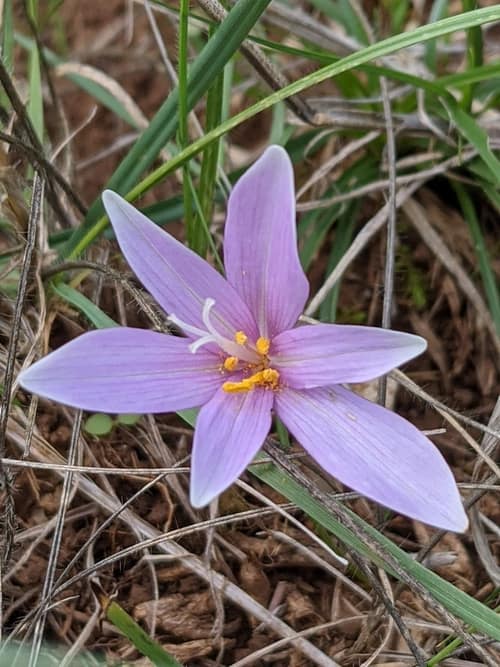
Toxic Look-Alike (c) Denis Bastianelli, some rights reserved (CC BY), uploaded by Denis Bastianelli · cc-by
Frequent Companion (c) nalagtus, some rights reserved (CC BY-SA) · cc-by-sa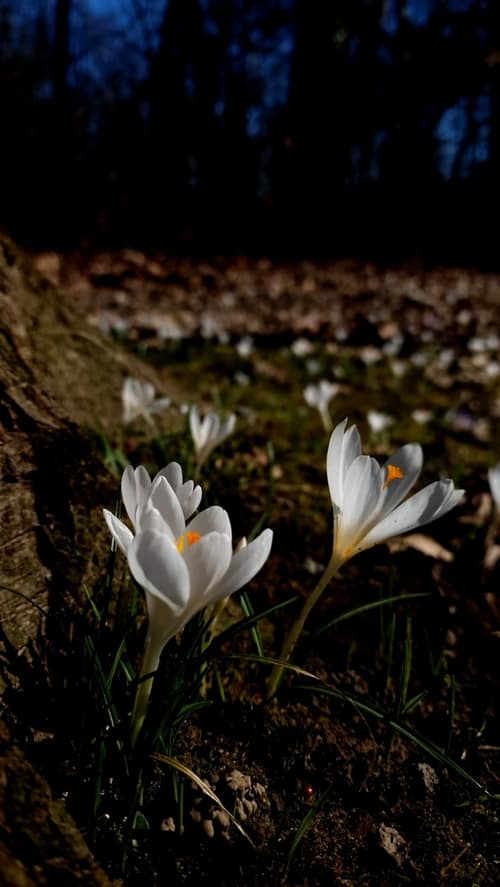
Close Relative (c) Mario Zuti, some rights reserved (CC BY) · cc-by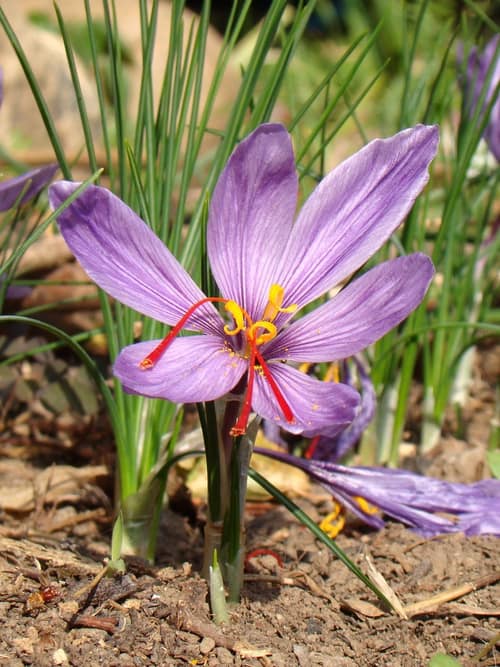
Close Relative (c) Юрий Данилевский (Yuriy Danilevsky), some rights reserved (CC BY), uploaded by Юрий Данилевский (Yuriy Danilevsky) · cc-by
Help improve the field guideSomething wrong?
Checking your Fauna account…Report a name, category, or profile issue for review.