
Plant · GBIF taxon 2744155
African Flag
Chasmanthe floribundaAlso known as African Cornflag, Pennants, Afgrense Flaggies
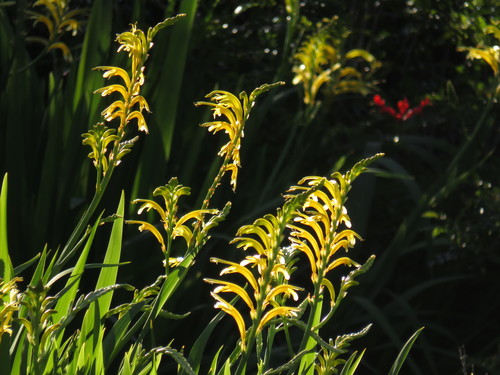
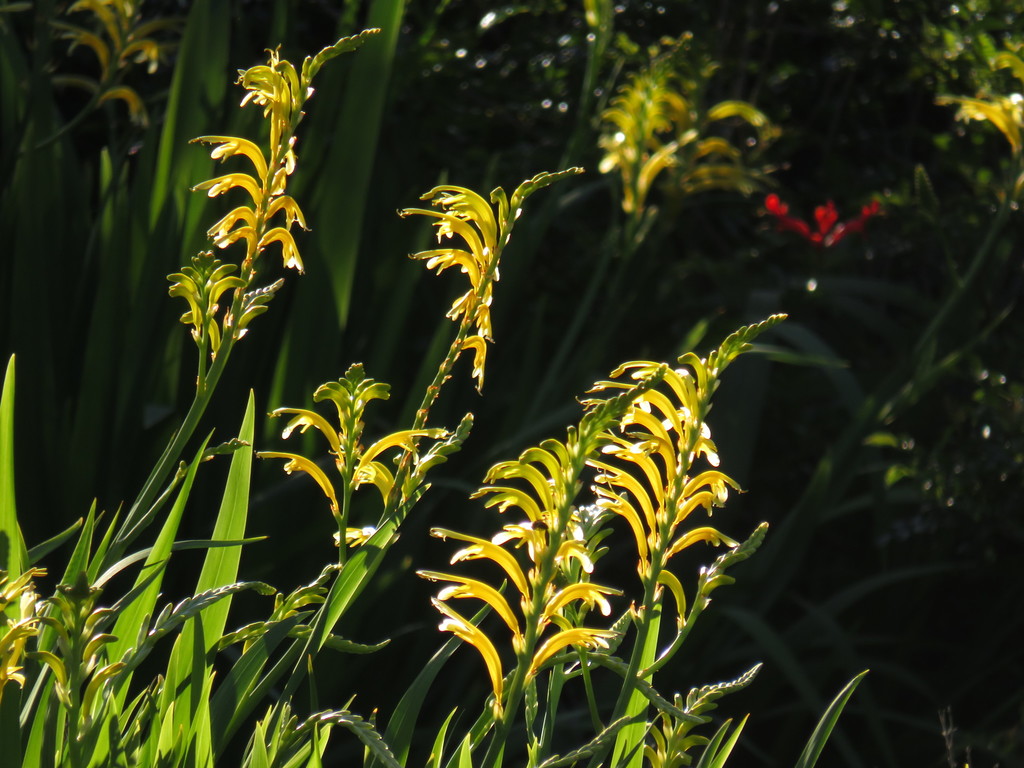
African flags produce dense, fan-like clusters of sword-shaped leaves that sprout rapidly from underground corms following autumn rains. In late winter and early spring, arching flower stalks bear striking, two-ranked spikes of tubular scarlet or orange blossoms designed for bird pollination. Native to coastal winter-rainfall slopes of South Africa, these resilient perennials have naturalized widely in Mediterranean climates around the world.
Winter-BloomingPerennialBird-Pollinated
 1 / 7
1 / 7—observations
—countries
—peak records
Not EvaluatedConservation statusIUCN Red List categoriesLCNTVUENCREWEXNot Evaluated — not placed on the risk ladderRed List categories, explained →
Diet & prey
- Autotrophic (Photosynthetic)
Predators
- Snails
- Slugs
- Aphis species
ThreatsHabitat clearance in native ranges and invasive species eradication efforts abroad
HabitatsFynbos, coastal granite slopes, stream banks, and Mediterranean-climate gardens
Life spanPerennial (corms persist for decades)
Size / weightNot available
Classification
- FamilyIridaceae
- SpeciesChasmanthe floribunda
Range data is not available yet.
Interaction riskHigh
- Low
- Moderate
- High
- Very high
- Why interaction risk is high
- Corms and foliage contain mild toxins causing stomach upset if ingested; keep away from pets.
- Why it is dangerous
- Ingestion of underground corms or leaf material causes gastrointestinal distress, vomiting, and mouth irritation in dogs, cats, and humans.
- How to recognize a risky encounter
- Look for fan-shaped clusters of bright green sword leaves and one-sided spikes of tubular orange-red flowers.
- What to do
- Wear gloves when planting or dividing corms and ensure pets cannot dig up the underground bulbs.
Responsible observation
- Garden Placement: Plant corms in full sun or light shade in well-draining soil during autumn.
- Pollinator Watching: Look for nectar-feeding birds visiting the long tubular blossoms in late winter.
- Management: Deadhead flower spikes before seeds mature to prevent unwanted garden spread.
 Image unavailable
Close Relative 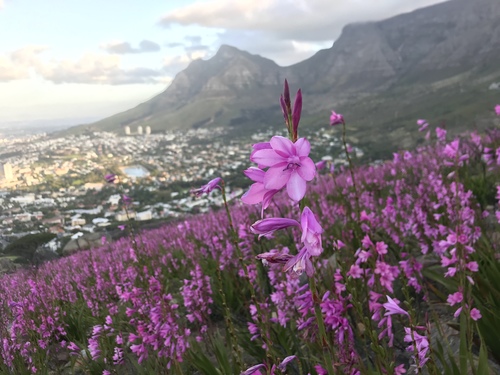
Close Relative (c) Sam McCarren, some rights reserved (CC BY), uploaded by Sam McCarren · cc-by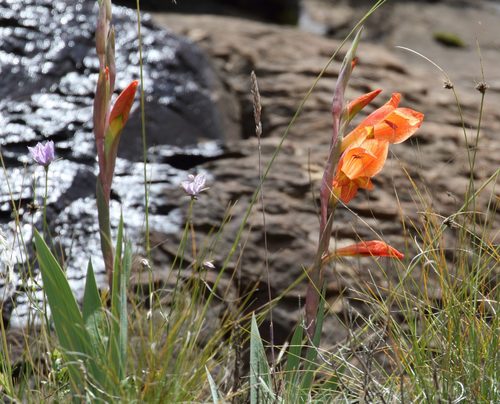
Close Relative (c) Alan Manson, some rights reserved (CC BY) · cc-by
Help improve the field guideSomething wrong?
Checking your Fauna account…Report a name, category, or profile issue for review.