
Plant · GBIF taxon 2740024
Flame Lily
Gloriosa superbaAlso known as Glory Lily, Climbing Lily, Tiger Claw, Fire Lily
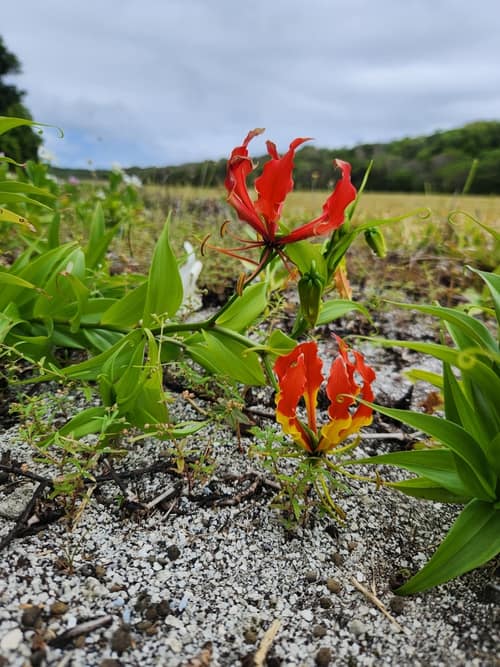
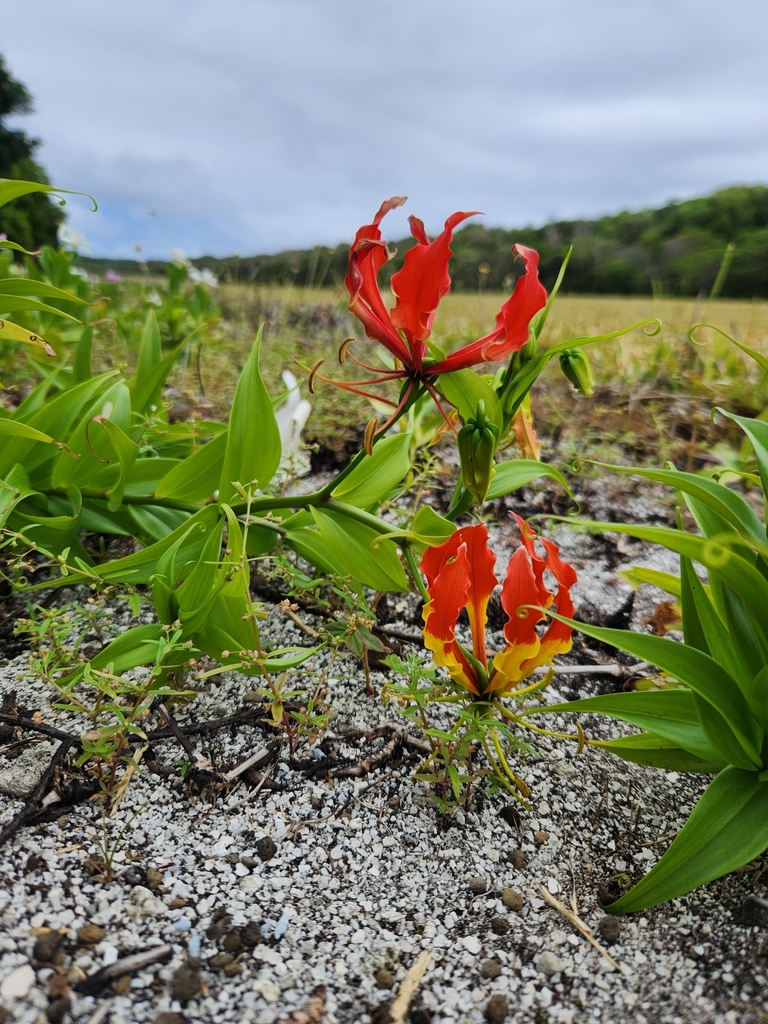
Flame lilies climb using sensitive tendrils at the tips of their leaves, scrambling up surrounding shrubs to showcase striking blossoms with reflexed, wavy petals. The flowers transition dramatically from bright yellow to deep crimson as they mature throughout the rainy season. Every part of the plant contains high concentrations of colchicine, serving as a powerful chemical shield against herbivores in its native savanna and forest edge habitats.
Climbing VineShowy BloomToxic Plant
 1 / 7
1 / 7—observations
—countries
—peak records
Least ConcernConservation statusIUCN Red List categoriesLCNTVUENCREWEXLeast ConcernRed List categories, explained →
Diet & prey
- Autotrophic (Photosynthetic)
Predators
Not available
ThreatsOverharvesting of wild tubers for pharmaceutical use and localized habitat clearance
HabitatsSavanna woodlands, dry thickets, forest margins, sand dunes
Life spanPerennial (tubers survive dry seasons underground)
Size / weightNot available
Classification
- FamilyColchicaceae
- SpeciesGloriosa superba
Range data is not available yet.
Interaction riskHigh
- Low
- Moderate
- High
- Very high
- Why interaction risk is high
- All parts contain lethal colchicine toxins; do not ingest and handle with care.
- Why it is dangerous
- Contains colchicine, an antimitotic alkaloid causing severe gastrointestinal damage, multiorgan failure, and potential death if ingested.
- How to recognize a risky encounter
- Look for climbing vines with leaf-tip tendrils and wavy red-and-yellow petals that curve backward.
- What to do
- Wear gloves when handling tubers or cut stems, and ensure plants remain far out of reach of pets.
Responsible observation
- Observation: Appreciate the unique backwards-curving petals and long dangling stamens without picking flowers.
- Gardening Advice: Wear protective gloves when dividing underground tubers to avoid contact with toxic sap.
- Pollinator Watching: Look for large swallowtail butterflies and sunbirds hovering near mature red blooms.
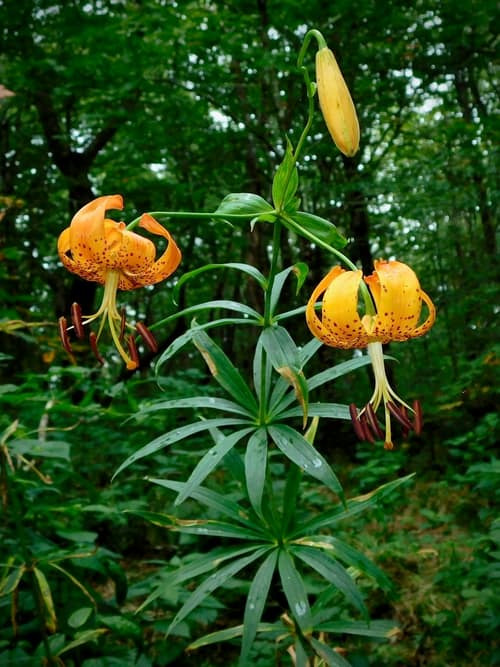
Superficial Look-alike (c) Michael J. Papay, some rights reserved (CC BY), uploaded by Michael J. Papay · cc-by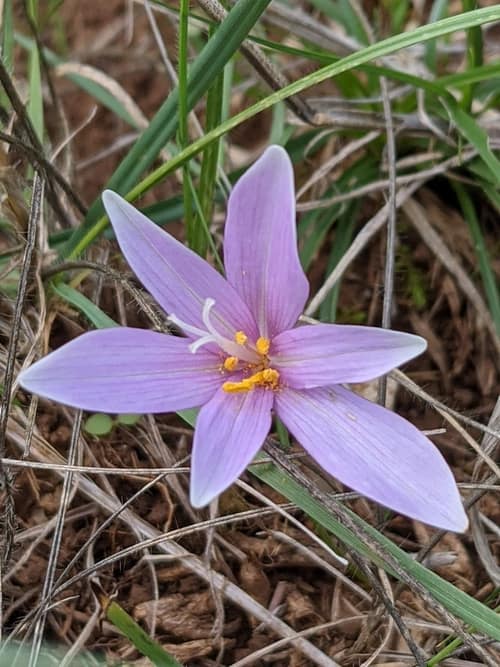
Close Relative (c) Denis Bastianelli, some rights reserved (CC BY), uploaded by Denis Bastianelli · cc-by Image unavailable
Close Relative
Help improve the field guideSomething wrong?
Checking your Fauna account…Report a name, category, or profile issue for review.