Also known as Pyrenean False Meadow Saffron, Mountain Merendera
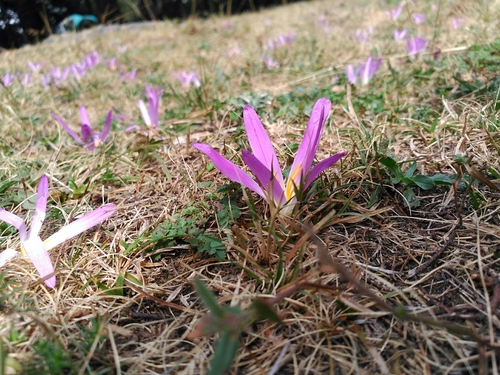
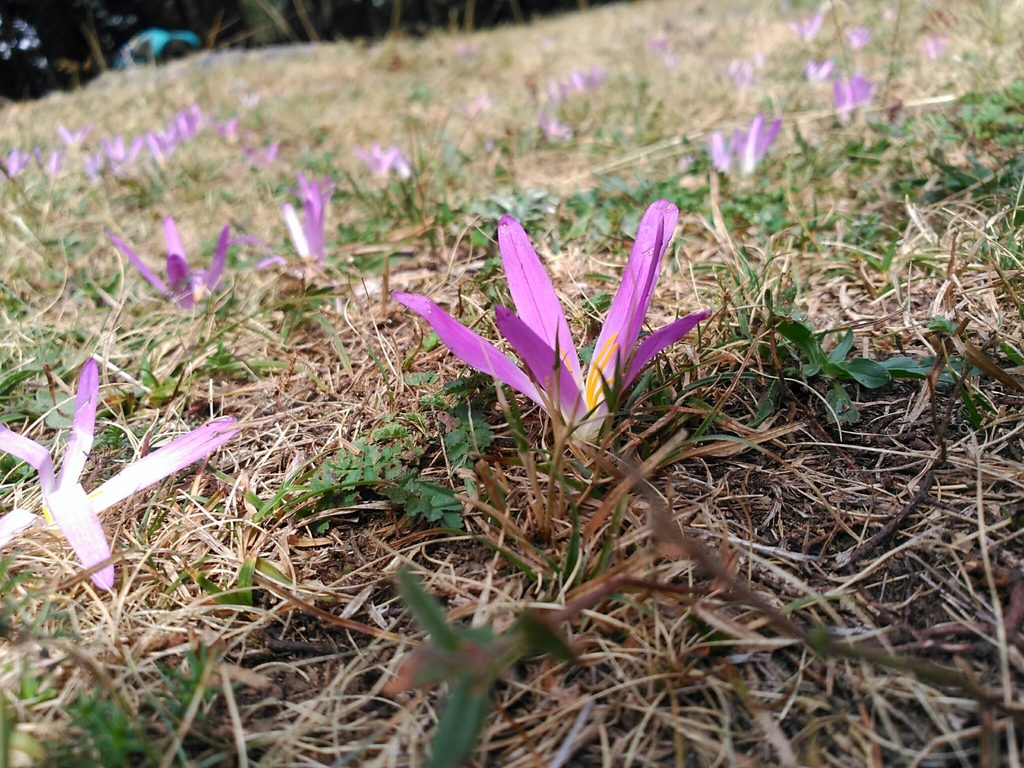
False meadow saffron carpets rocky Iberian pastures each late summer and autumn with delicate lilac-pink, star-shaped blossoms that emerge directly from underground corms before the leaves appear. Pollinated predominantly by solitary bees and hoverflies, its flowers give way to narrow, prostrate foliage that emerges during winter to store energy for the subsequent dormant summer. Like all members of its genus, every tissue holds potent alkaloids that deter grazing livestock and small herbivores.
ThreatsHabitat loss from intensive agricultural conversion and land development
HabitatsMontane grasslands, rocky slopes, scrublands, and alpine pastures
Life spanPerennial (corm survives for decades)
Size / weightNot available
Classification
FamilyColchicaceae
SpeciesColchicum montanum
Range & activity
Range data is not available yet.
Safe observation
Interaction riskHigh
Low
Moderate
High
Very high
Why interaction risk is high
Contains deadly colchicine alkaloids; all parts are toxic if ingested by humans or pets.
Why it is dangerous
All tissues contain colchicine, a potent antimitotic alkaloid that disrupts cellular division, leading to severe gastrointestinal distress, multi-organ failure, and potential death.
How to recognize a risky encounter
Look for stemless, six-petaled pale pink to lilac star-shaped flowers with six yellow stamens emerging from bare soil in late summer and autumn.
What to do
Never ingest any part of the plant or harvest wild specimens, and wash hands thoroughly if crushed plant sap comes into contact with bare skin.
Responsible observation
Field identification: Count the stamens to confirm six per flower, distinguishing it from true crocuses which bear only three.
Safe observation: Admire and photograph in situ without picking, as all plant tissues contain poisonous alkaloids.
Pet safety: Prevent dogs and grazing animals from chewing foliage or digging up corms in upland meadows.

 1 / 7
1 / 7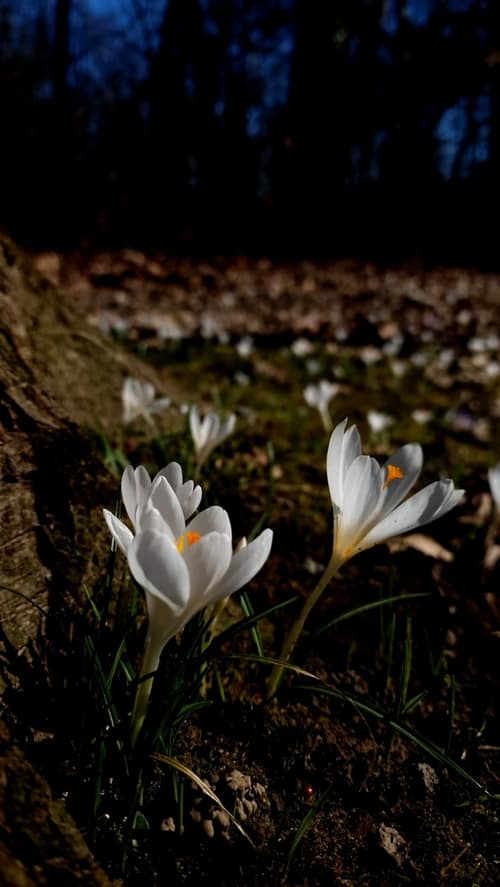

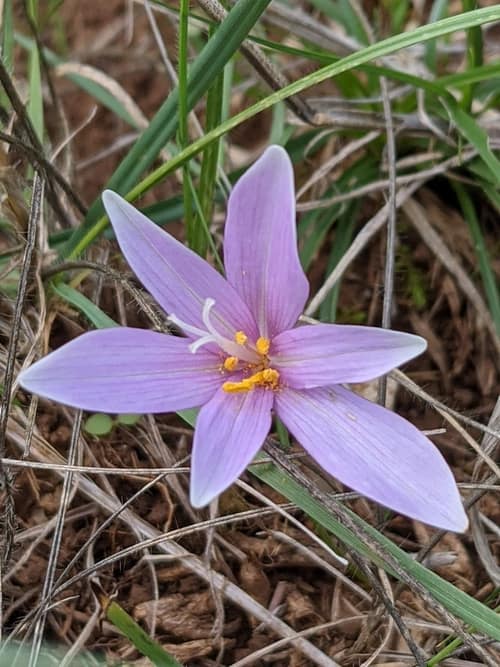
 Image unavailable