
Plant
Chusan Palm
Trachycarpus fortuneiAlso known as Chinese Windmill Palm, Windmill Palm, Hemp Palm
Windmill palms survive freezing temperatures and snow blankets that would kill almost any other palm, wrapped in a dense coat of coarse brown fiber that insulates the trunk. Their stiff, fan-shaped fronds easily withstand strong winds, providing valuable year-round nesting shelter for songbirds. In mild, temperate climates outside their native Asian range, these palms readily naturalize along humid forest margins.
Cold-HardyEvergreenOrnamental
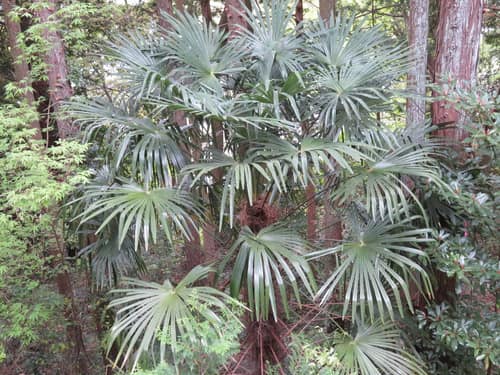
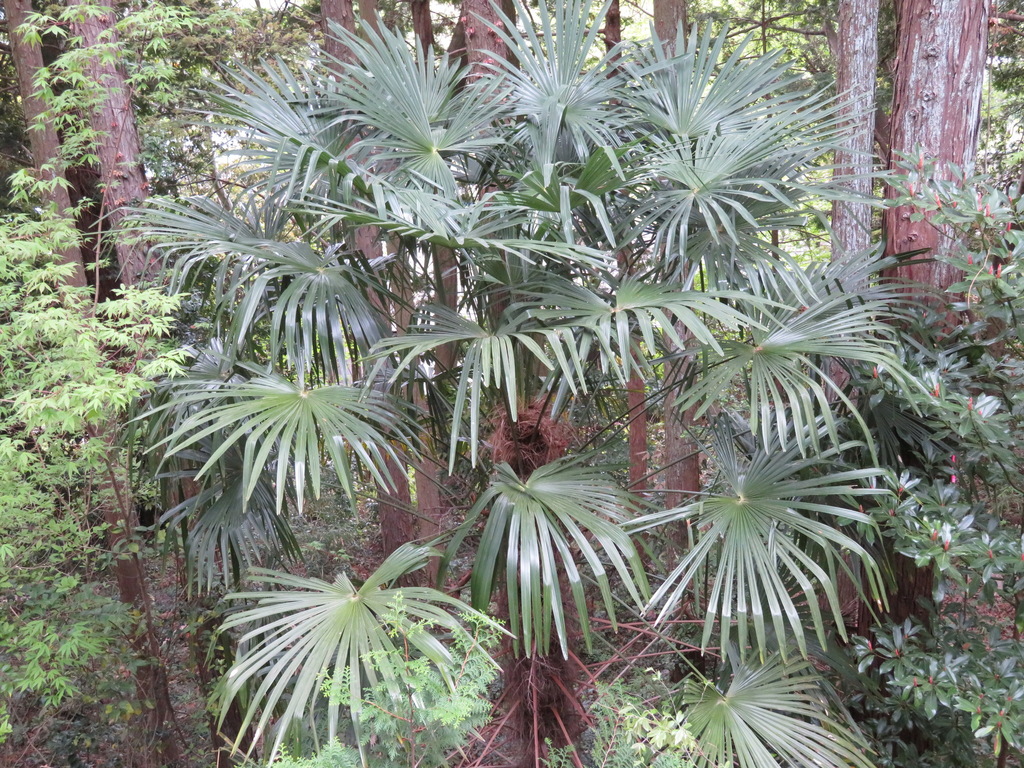
—observations
—countries
—peak records
Least ConcernConservation statusIUCN Red List categoriesLCNTVUENCREWEXLeast ConcernRed List categories, explained →
Diet & preySunlight, Water, Soil Nutrients
Predators
- Red Palm Weevil
- South American Palm Borer
- Fungal Pathogens
ThreatsDeforestation in native montane habitats and invasive pest infestations
HabitatsMontane forests, temperate woodlands, and urban gardens
Life span70–100 years
Classification
- OrderArecales
- FamilyArecaceae
- GenusTrachycarpus
- SpeciesTrachycarpus fortunei
Range data is not available yet.
Interaction riskLow
- Low
- Moderate
- High
- Very high
- Why interaction risk is low
- Wild berries have toxic look-alikes; never eat based on app identification alone.
Responsible observation
- Cold protection: Allow spent brown fronds to linger naturally over winter to insulate the growing tip.
- Gardening: Plant in sheltered, well-drained soil away from unbuffered winter gale corridors.
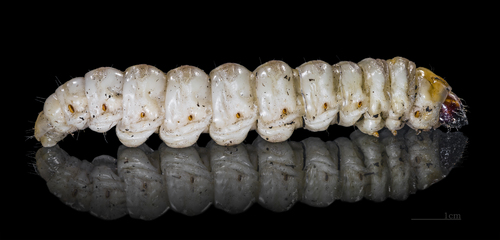
Herbivore (c) Didier Descouens, some rights reserved (CC BY-SA) · cc-by-sa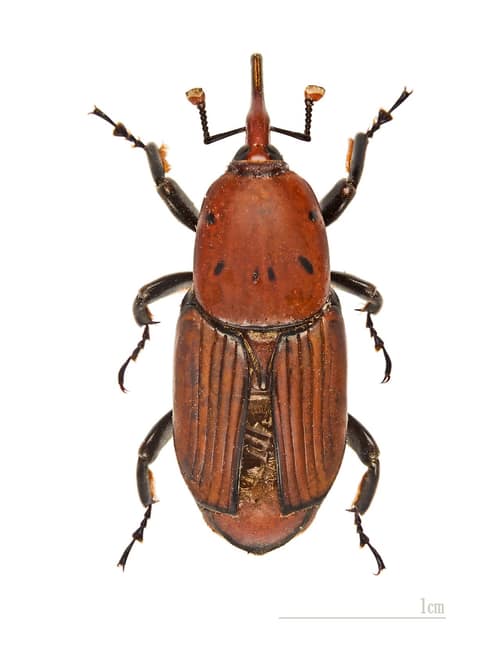
Parasite Didier Descouens / CC BY-SA 4.0 · cc-by-sa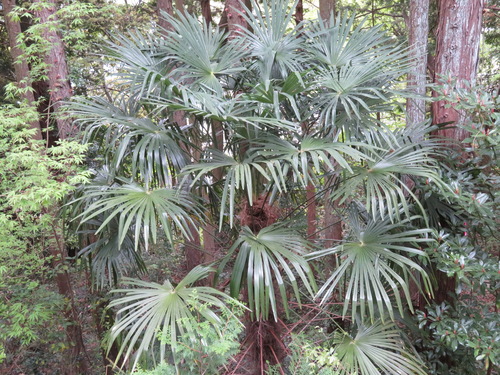
Close Relative (c) Marco Mussita, some rights reserved (CC BY), uploaded by Marco Mussita · cc-by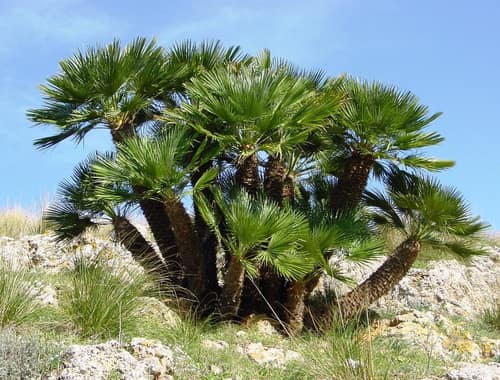
Close Relative (c) tato grasso, some rights reserved (CC BY-SA) · cc-by-sa
Help improve the field guideSomething wrong?
Checking your Fauna account…Report a name, category, or profile issue for review.