
Plant · GBIF taxon 2739031
Majesty Palm
Ravenea rivularisAlso known as Majestic Palm
Native to riverbanks and seasonally flooded gallery forests in southwestern Madagascar, majesty palms thrive in areas with constant moisture and bright filtered light. In their wild habitat they shoot up into colossal canopy trees with swollen trunk bases, yet they are internationally famous as containerized indoor plants. Wild populations face steep declines due to habitat degradation and forest clearing, creating a stark contrast between their commercial abundance and threatened native state.
PalmTropical
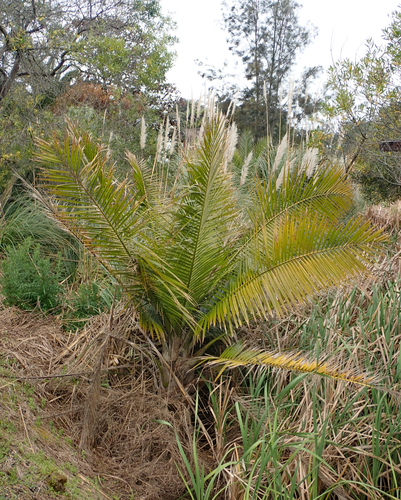
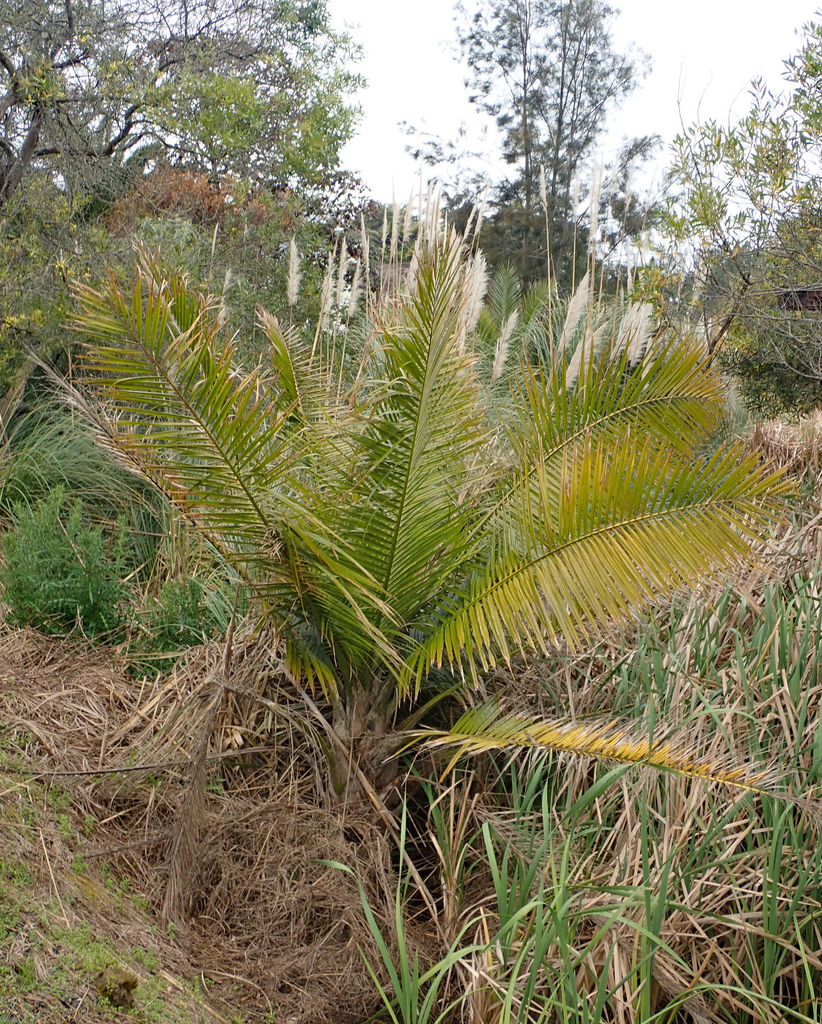
Licensed referenceno rights reserved, uploaded by Peter de Lange · cc0
—observations
—countries
—peak records
VulnerableConservation statusIUCN Red List categoriesLCNTVUENCREWEXVulnerableRed List categories, explained →
Diet & prey
- Autotrophic (photosynthetic)
ThreatsHabitat destruction, agricultural expansion, water diversion
HabitatsRiverine forests, stream margins, wet gallery woodlands
Life span50–80 years
Classification
- OrderArecales
- FamilyArecaceae
- GenusRavenea
- SpeciesRavenea rivularis
Range data is not available yet.
Interaction riskLow
- Low
- Moderate
- High
- Very high
- Why interaction risk is low
- Non-toxic to pets and humans; safe to observe and handle.
- What to notice
- Look for a tall single-trunked feather palm with arching fronds and an enlarged, flared base growing directly alongside riverbeds.
- Support conservation
- Leave wild specimens and their surrounding riverbanks undisturbed, avoiding soil compaction or seedling collection.
Responsible observation
- Cultivation: Requires heavy watering and high humidity to prevent browning fronds when grown indoors.
- Field Observation: In wild Madagascar river valleys, look for massive swollen trunk bases standing in or beside water.
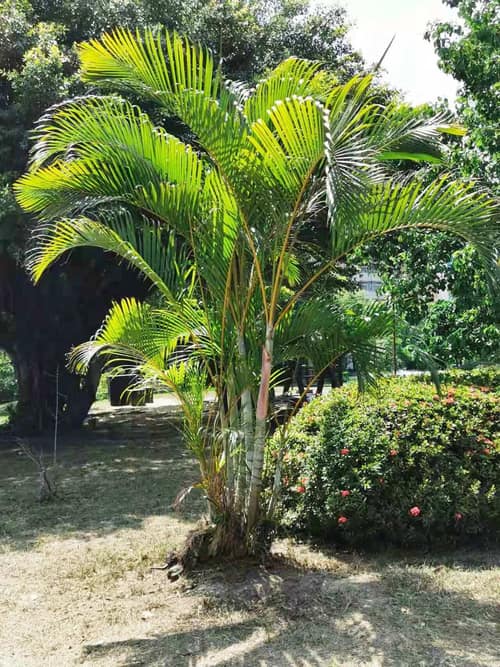
Same Family Ping an Chang / CC BY-SA 4.0 · cc-by-sa Image unavailable
Same Family 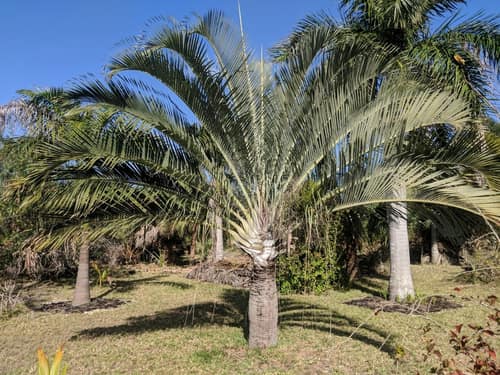
Same Family no rights reserved, uploaded by Steve Plumb · cc0
Help improve the field guideSomething wrong?
Checking your Fauna account…Report a name, category, or profile issue for review.