
Plant
Mediterranean Fan Palm
Chamaerops humilisAlso known as European Fan Palm, Mediterranean Dwarf Palm, Dwarf Fan Palm
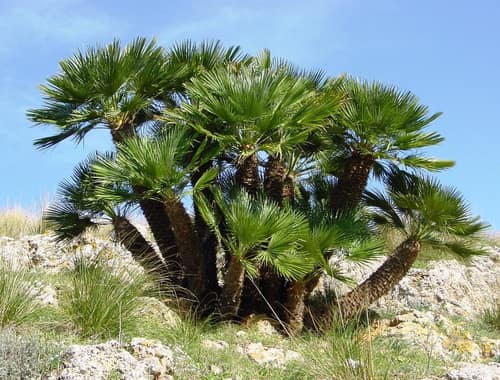
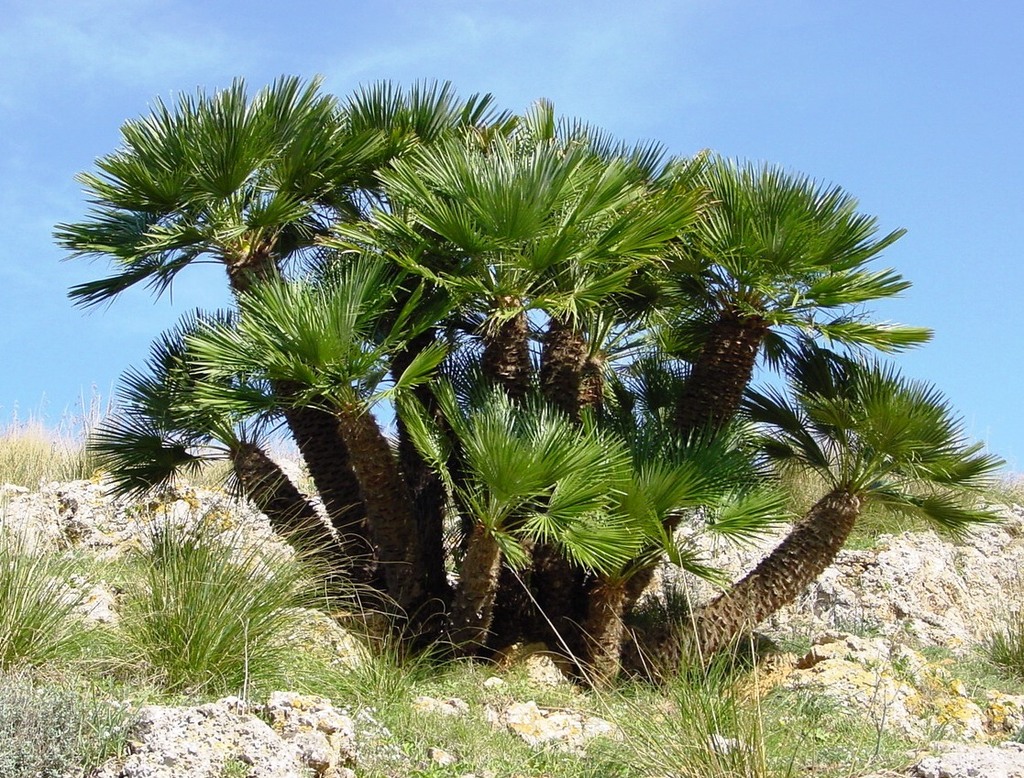
European fan palms dominate sun-drenched Mediterranean garrigue, forming dense, impenetrable clumps powered by subterranean rootstocks that sprout vigorously after wildfires. Stiff, fan-shaped fronds feature razor-sharp spines along their petioles, protecting the tender growing heart from browsing goats and herbivores. In spring, the plant maintains a specialized pollination partnership with a tiny native weevil that breeds inside its dense, yellow inflorescences.
EvergreenDrought-TolerantCold-Hardy
—observations
—countries
—peak records
Least ConcernConservation statusIUCN Red List categoriesLCNTVUENCREWEXLeast ConcernRed List categories, explained →
Diet & preyAutotrophic (photosynthesis)
Predators
- Red palm weevil
- South American palm borer
- Feral goat
ThreatsHabitat fragmentation, coastal urbanization, and invasive palm-boring pests
HabitatsCoastal scrub, maquis, rocky hillsides, and garrigue
Life span100–300 years
Classification
- OrderArecales
- FamilyArecaceae
- GenusChamaerops
- SpeciesChamaerops humilis
Range data is not available yet.
Interaction riskLow
- Low
- Moderate
- High
- Very high
- Why interaction risk is low
- Wild fruits have toxic look-alikes; never eat based on app identification alone. Spines may scratch bare skin.
Responsible observation
- Foliage Spines: Watch for needle-sharp teeth lining the leaf stems when moving through dense thickets.
- Post-Fire Sprouting: Look for vibrant green shoots emerging rapidly from underground rootstocks after summer wildfires.
- Insect Searching: Inspect flowering clusters in spring for tiny specialized weevils that perform pollination duties.
 Image unavailable
Pollinator 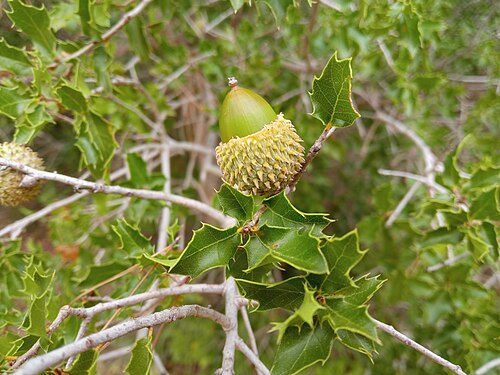
Frequent Companion Josep Gesti / CC BY-SA 4.0 · cc-by-sa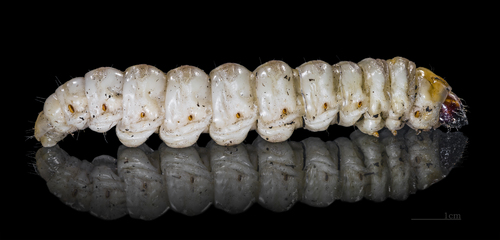
Parasite (c) Didier Descouens, some rights reserved (CC BY-SA) · cc-by-sa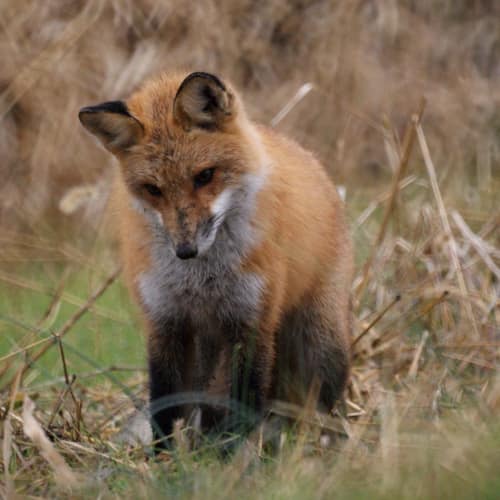
Seed Disperser "Red Fox" by Mike's Birds is licensed under CC BY-SA 2.0. To view a copy of this license, visit https://creativecommons.org/licenses/by-sa/2.0/. · cc-by-sa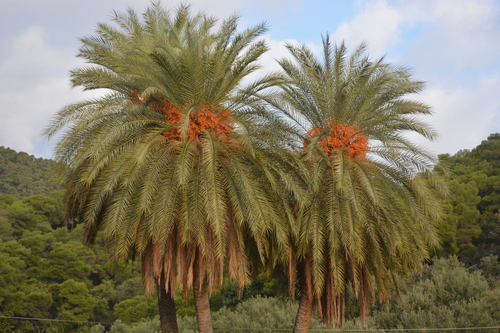
Close Relative (c) Ashley Basil, some rights reserved (CC BY) · cc-by
Help improve the field guideSomething wrong?
Checking your Fauna account…Report a name, category, or profile issue for review.