
Plant · GBIF taxon 2736211
Jelly Palm
Butia capitataAlso known as Pindo Palm, Brazilian Jelly Palm, Cocos Palm
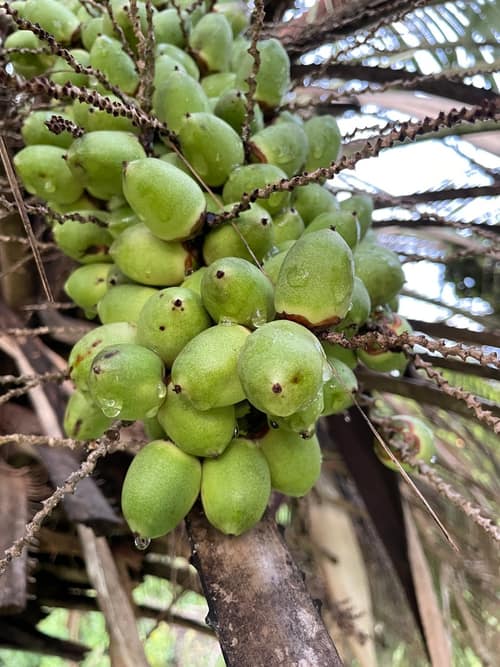
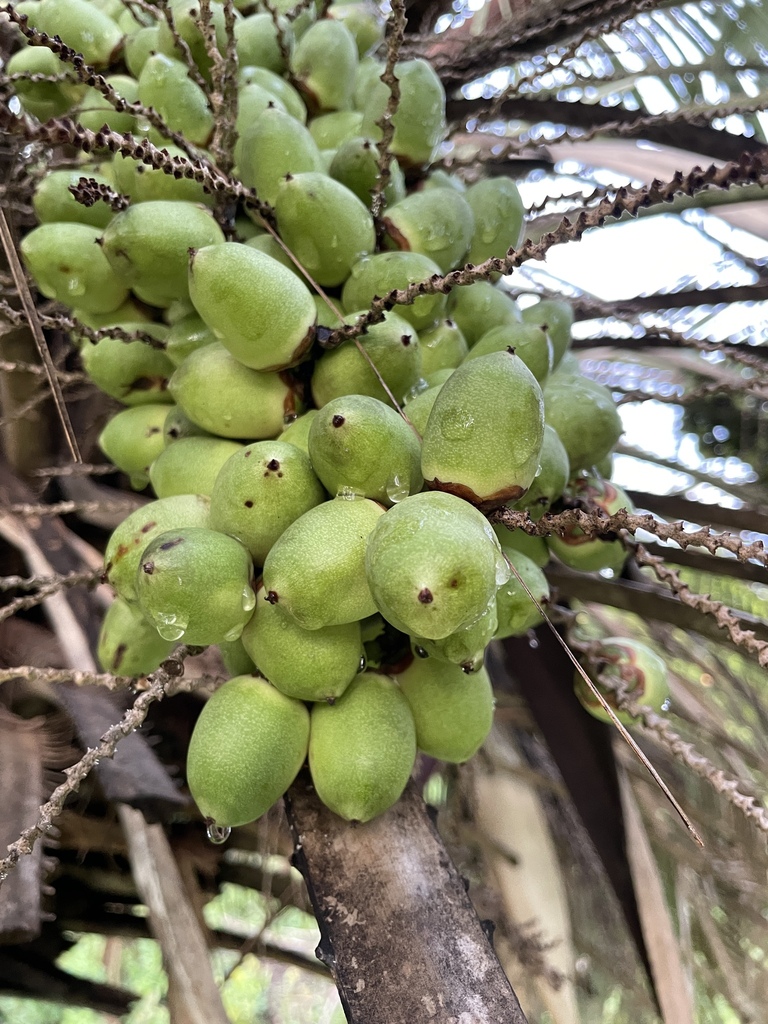
Jelly palms are slow-growing, cold-hardy feather palms distinctive for their strongly arched, blue-green fronds and stout trunk covered in persistent old leaf bases. Native to the interior savannas and open woodlands of central Brazil, they produce massive dense clusters of bright orange-yellow fruits that attract birds and foraging mammals. Their compact canopy and tolerance for light frosts have made them popular landscape trees in warm-temperate regions worldwide.
Feather PalmCold HardyDrought Tolerant
—observations
—countries
—peak records
Not EvaluatedConservation statusIUCN Red List categoriesLCNTVUENCREWEXNot Evaluated — not placed on the risk ladderRed List categories, explained →
Diet & prey
- Sunlight
- Water
- Soil Nutrients
Predators
- Toucans
- Peccaries
- Tapirs
ThreatsHabitat loss from agricultural expansion and fire regime changes
HabitatsSavannas, open woodlands, coastal plains, cultivated gardens
Life span50–80 years
Size / weightNot available
Classification
- OrderArecales
- FamilyArecaceae
- GenusButia
- SpeciesButia capitata
Range data is not available yet.
Interaction riskLow
- Low
- Moderate
- High
- Very high
- Why interaction risk is low
- Wild palm fruits have toxic look-alikes; never ingest wild plants based on app identification alone.
Responsible observation
- Frond Inspection: Look for strongly recurved, blue-green fronds to distinguish this species from straighter palms.
- Landscape Care: Provide full sun and well-drained sandy soil for optimal frond development and vigor.
- Wildlife Viewing: Watch ripe summer fruit clusters for visiting birds and small mammals.

Frequent Companion (c) Larry D. Moore, some rights reserved (CC BY) · cc-by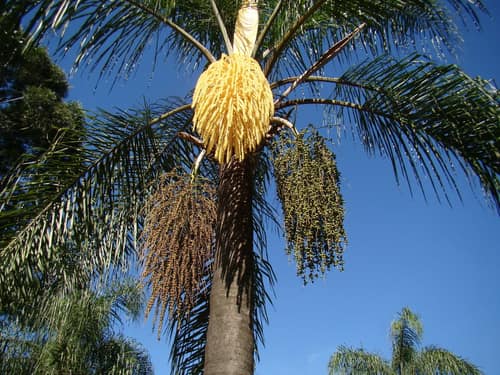
Close Relative (c) mauro halpern, some rights reserved (CC BY) · cc-by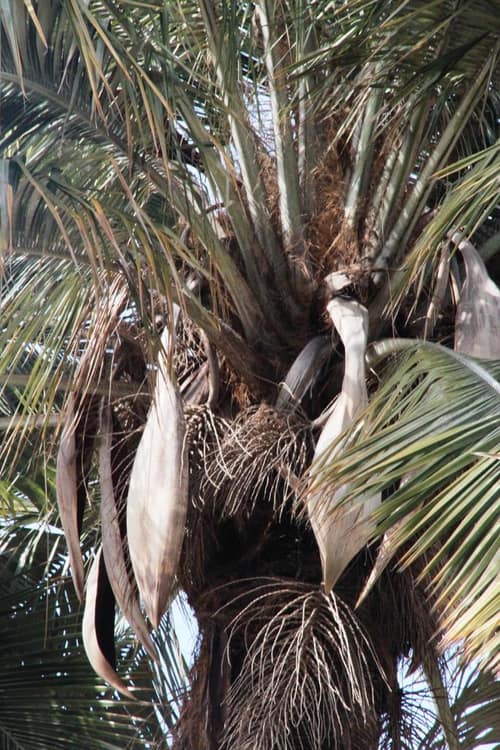
Close Relative (c) Tony Rebelo, some rights reserved (CC BY-SA), uploaded by Tony Rebelo · cc-by-sa
Help improve the field guideSomething wrong?
Checking your Fauna account…Report a name, category, or profile issue for review.