
Plant · GBIF taxon 2735138
Chilean Wine Palm
Jubaea chilensisAlso known as Chile Cocopalm, Palma Chilena, Coquito Palm, Chilean Coconut Palm
Chilean wine palms develop exceptionally massive gray trunks that can reach nearly two meters in diameter, making them among the thickest palm trees in the world. Crowned with dense tufts of stiff, feather-like fronds, mature individuals produce miniature, coconut-like seeds known locally as coquitos. Wild populations in central Chile have declined drastically after centuries of being felled for their sweet sap, but protected stands now receive strict legal conservation.
TreeEvergreen
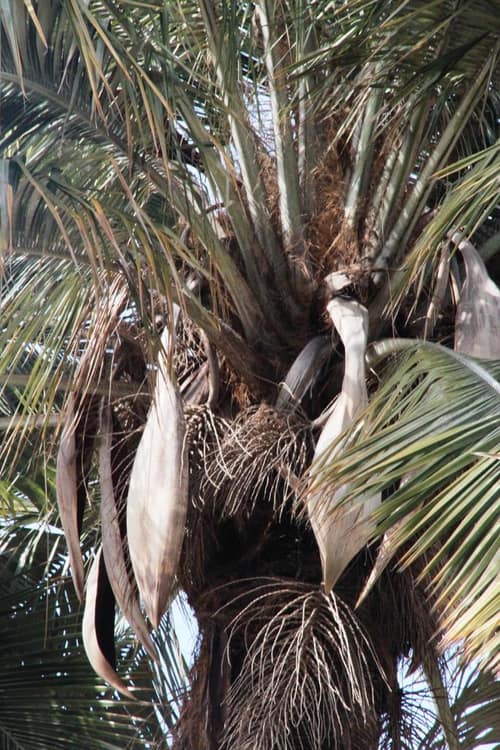
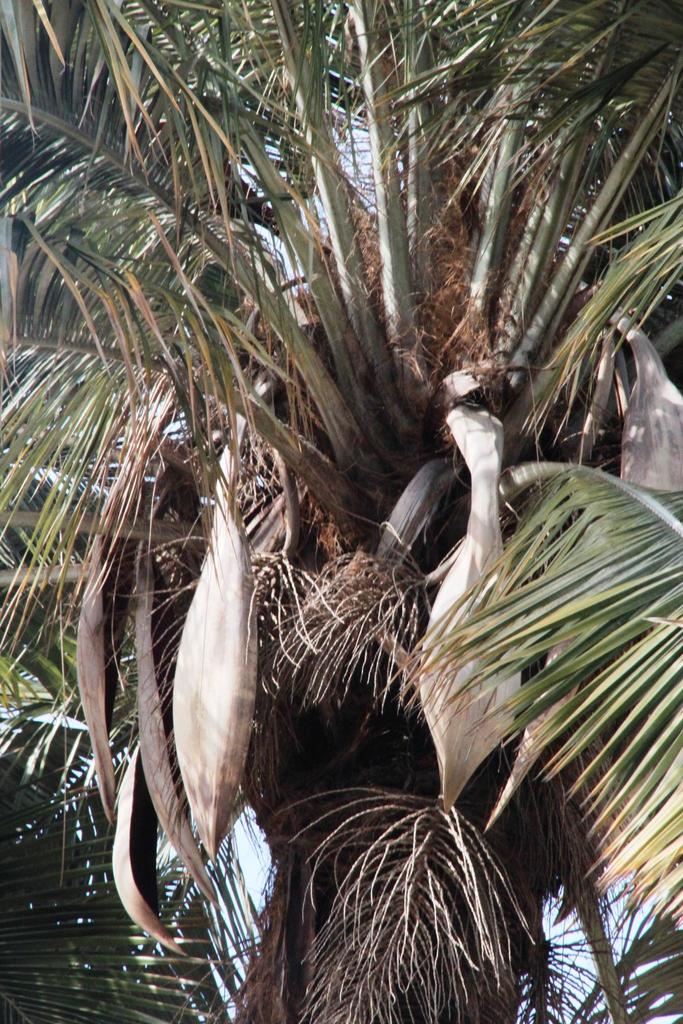 1 / 7
1 / 7—observations
—countries
—peak records
EndangeredConservation statusIUCN Red List categoriesLCNTVUENCREWEXEndangeredRed List categories, explained →
Diet & prey
- Autotrophic (Photosynthetic)
Predators
- Invasive Rodents
ThreatsHistorical over-harvesting, habitat conversion, brushfires, seed predation by introduced rodents
HabitatsMediterranean scrub, dry mountain valleys, coastal slopes
Life spanUp to 500 years or more
Size / weightNot available
Classification
- FamilyArecaceae
- SpeciesJubaea chilensis
Range data is not available yet.
Interaction riskLow
- Low
- Moderate
- High
- Very high
- Why interaction risk is low
- Wild seeds and fruits have toxic look-alikes; never consume wild plants based on app identification.
- What to notice
- Recognized by its immensely thick, gray, columnar trunk and dense crown of stiff feather-like fronds.
- Support conservation
- Observe native groves strictly from designated trails and refrain from harvesting seeds or disturbing fragile soil.
Responsible observation
- Sap Conservation: Never tap or injure wild trees, as historical sap extraction required felling mature specimens.
- Seed Protection: Avoid collecting coquitos in native stands to permit natural regeneration of endangered wild groves.
 Image unavailable
Habitat Companion 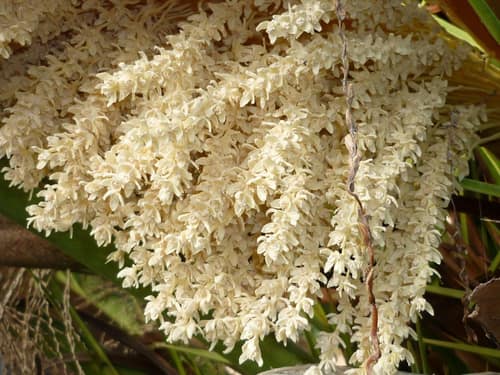
Visual Similar (c) Jesús Cabrera, some rights reserved (CC BY) · cc-by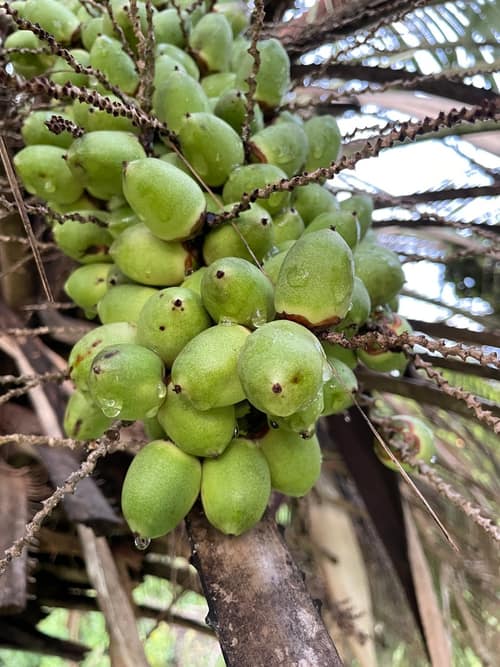
Close Relative (c) B. Phalan, some rights reserved (CC BY) · cc-by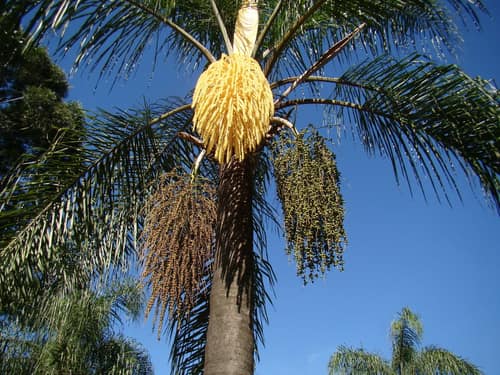
Close Relative (c) mauro halpern, some rights reserved (CC BY) · cc-by
Help improve the field guideSomething wrong?
Checking your Fauna account…Report a name, category, or profile issue for review.