
Plant · GBIF taxon 2732453
Walking Palm
Socratea exorrhizaAlso known as Cashapona, Stilt Palm
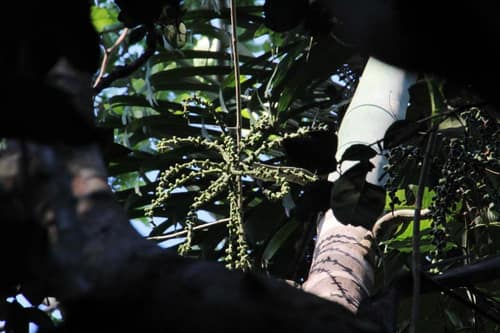
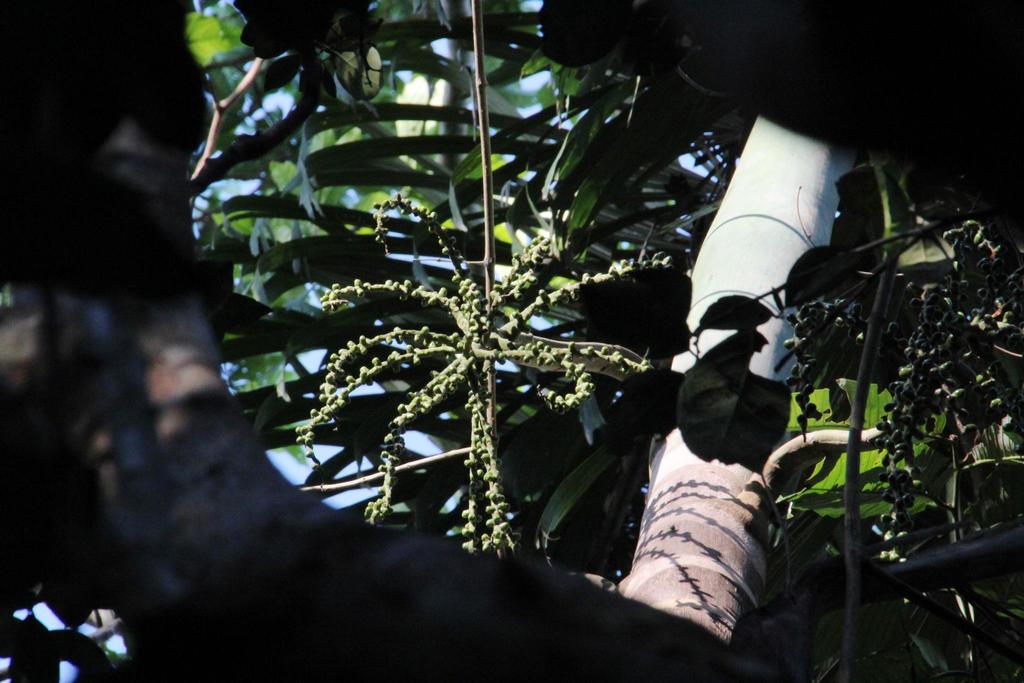
Walking palms are famous for their elevated stilt roots, which support a slender trunk high above the humid rainforest floor. These unusual aerial roots allow the tree to establish stability in soggy soils and rapidly tilt or adjust toward light gaps created by fallen trees. Dozens of epiphyte species, including mosses, ferns, and orchids, frequently colonize its trunk and root cones to create vibrant miniature ecosystems.
TropicalRainforestStilt Roots
—observations
—countries
—peak records
Not EvaluatedConservation statusIUCN Red List categoriesLCNTVUENCREWEXNot Evaluated — not placed on the risk ladderRed List categories, explained →
Diet & prey
- Autotrophic (Photosynthesis)
Predators
- White-lipped Peccary
- Keel-billed Toucan
- Spider Monkeys
ThreatsDeforestation, habitat loss, and localized overharvesting
HabitatsLowland tropical rainforests, swamp forests, and wet riverbanks
Life span50–100 years
Size / weightNot available
Classification
- FamilyArecaceae
- SpeciesSocratea exorrhiza
Range data is not available yet.
Interaction riskLow
- Low
- Moderate
- High
- Very high
- Why interaction risk is low
- Wild palm fruits have toxic look-alikes; never eat wild fruits based on app identification alone.
Responsible observation
- Examine stilt roots: Look at the base to see how new stilt roots emerge higher up the trunk.
- Spot epiphytes: Scan the bark for orchids, bromeliads, and ferns taking advantage of the elevation.
- Watch for spines: Avoid gripping the stilt roots, as they often bear sharp woody prickles.
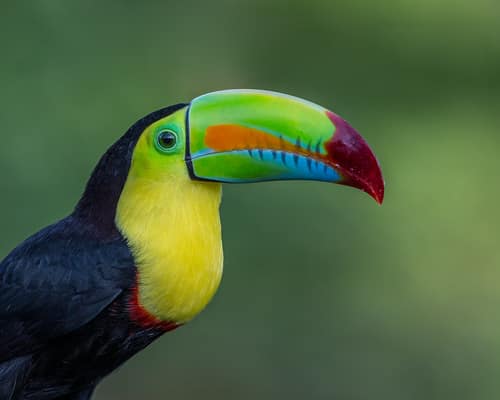
Seed Disperser "Keel-billed Toucan" by Andy Morffew is licensed under CC BY 2.0. To view a copy of this license, visit https://creativecommons.org/licenses/by/2.0/. · cc-by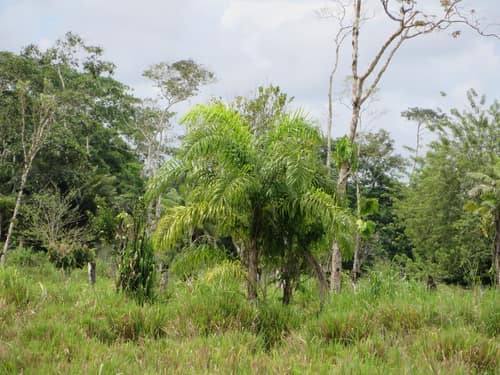
Family Relative (c) Jens-Christian Svenning, some rights reserved (CC BY), uploaded by Jens-Christian Svenning · cc-by Image unavailable
Family Relative
Help improve the field guideSomething wrong?
Checking your Fauna account…Report a name, category, or profile issue for review.