
Plant · GBIF taxon 2730210
Broad-leaved Cottongrass
Eriophorum latifoliumAlso known as Broad-leaved Bog-cotton, Broadleaf Cotton-grass
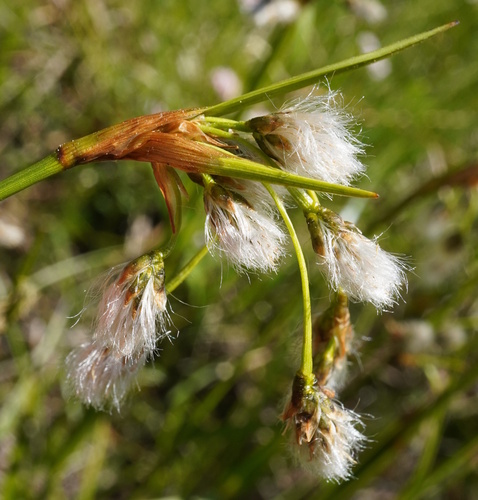
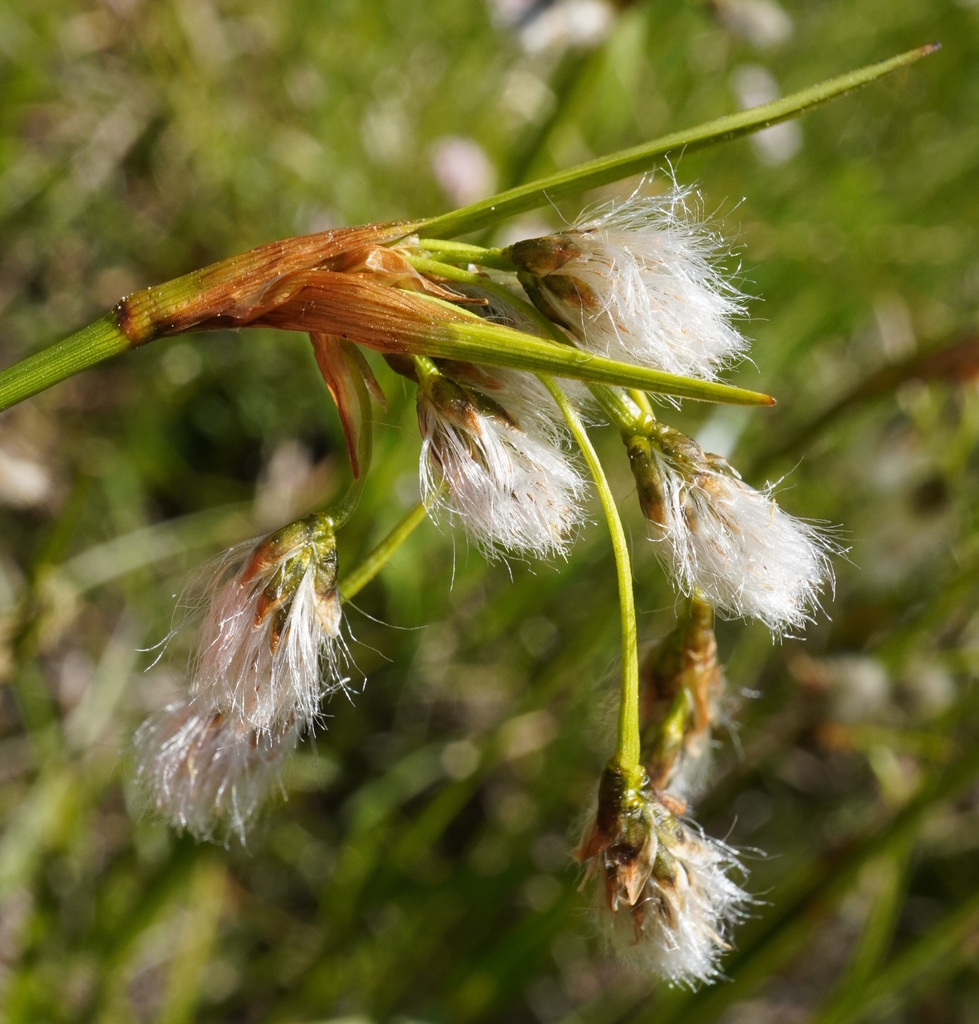
Broad-leaved Cottongrass illuminates lime-rich fens and peatlands across Europe with its nodding clusters of silky white seed heads. Unlike its narrow-leaved relatives, it features flat, ribbon-like leaves up to eight millimeters wide and multiple cottony spikelets drooping from each stem. These soft fibers catch summer winds to disperse seeds across wet meadows, where the plant acts as a key indicator of undisturbed calcareous groundwater.
WetlandWind-dispersedFen-indicator
—observations
—countries
—peak records
Least ConcernConservation statusIUCN Red List categoriesLCNTVUENCREWEXLeast ConcernRed List categories, explained →
Diet & prey
- Autotrophic (Photosynthetic)
Predators
- Water Voles
- Grazing Livestock
- Sedge Grasshoppers
ThreatsWetland drainage, water table drawdown, agricultural conversion
HabitatsCalcareous fens, lime-rich bogs, alpine flushes, wet meadows
Life spanPerennial (10+ years)
Classification
- FamilyCyperaceae
- SpeciesEriophorum latifolium
Range data is not available yet.
Interaction riskLow
- Low
- Moderate
- High
- Very high
- Why interaction risk is low
- Safe to observe at a normal distance.
- What to notice
- Recognizable by broad flat leaves and multiple dangling cottony seed heads per stem.
- Support conservation
- Observe from boardwalks or dry edges to protect fragile wetland vegetation.
Responsible observation
- Best Viewing: Look for brilliant white fluff clusters fluttering in fens from June through August.
- Habitat Care: Remain on boardwalks or firm ground to avoid damaging delicate peat soil and rare fen flora.
 Image unavailable
Frequent Companion 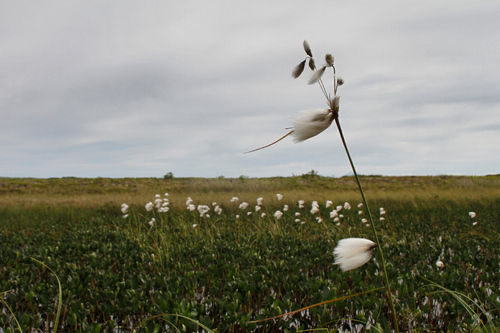
Close Relative no rights reserved · cc0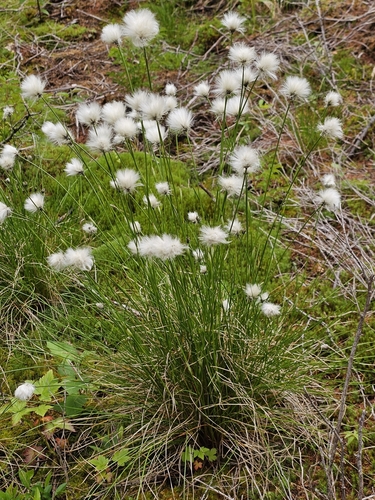
Close Relative (c) Norma Malinowski, some rights reserved (CC BY), uploaded by Norma Malinowski · cc-by
Help improve the field guideSomething wrong?
Checking your Fauna account…Report a name, category, or profile issue for review.