
Plant · GBIF taxon 2730127
Common Cottongrass
Eriophorum angustifoliumAlso known as Common Cottonsedge, Bog Cotton, Cotton Grass
Common cottongrass transforms soggy acidic peatlands each summer into white, shimmering fields with its fluffy seed heads. Creeping underground rhizomes bind loose bog peat, helping stabilize waterlogged soil against erosion while providing crucial nesting material and forage for upland wildlife. After inconspicuous spring flowers are pollinated by wind, long silky bristles lengthen to carry seeds across vast distances on gentle breeze currents.
WetlandWind-PollinatedPerennial
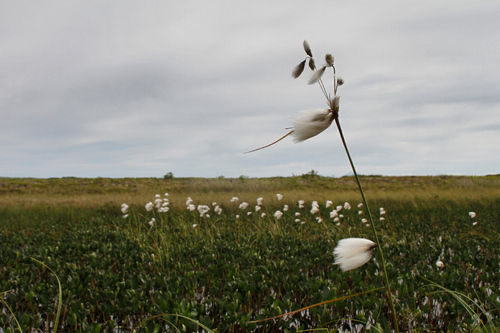
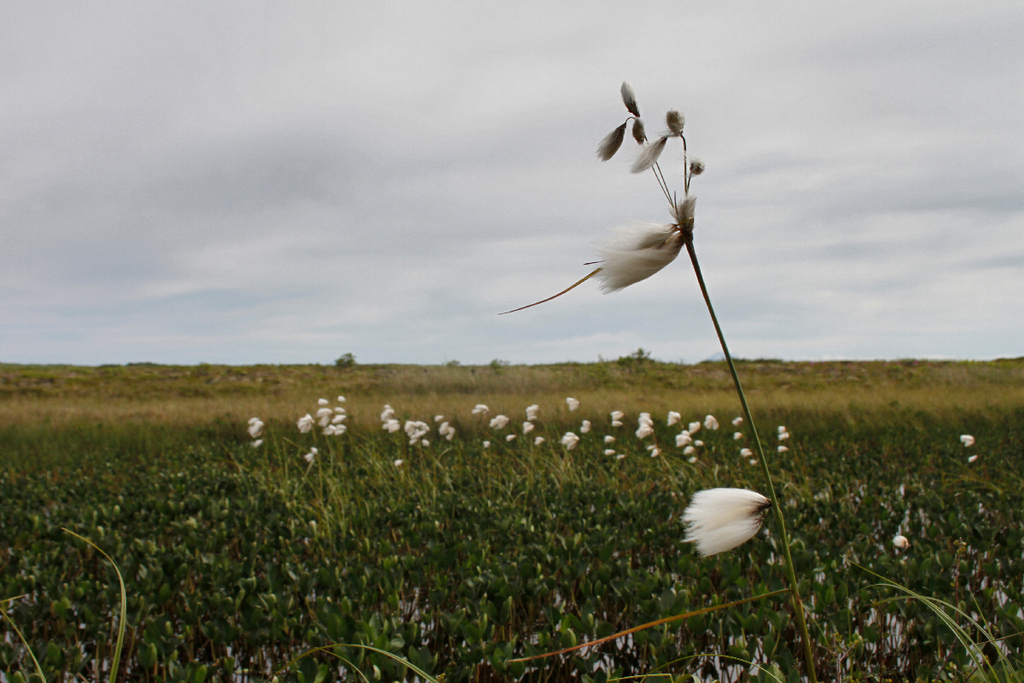
—observations
—countries
—peak records
Least ConcernConservation statusIUCN Red List categoriesLCNTVUENCREWEXLeast ConcernRed List categories, explained →
Diet & prey
- Sunlight
- Water
- Soil Minerals
Predators
- Water Voles
- Geese
- Grazing Livestock
ThreatsPeat extraction, wetland drainage, climate warming
HabitatsPeat bogs, acidic wetlands, wet heathlands, arctic tundra
Life spanPerennial
Classification
- OrderPoales
- FamilyCyperaceae
- GenusEriophorum
- SpeciesEriophorum angustifolium
Range data is not available yet.
Interaction riskLow
- Low
- Moderate
- High
- Very high
- Why interaction risk is low
- Safe to observe at a normal distance.
Responsible observation
- Spring Spotting: Look for understated greenish-brown flower spikes before the white bristles expand.
- Habitat Protection: Stick to raised boardwalks in peat bogs to avoid crushing delicate bog mats.
- Seed Observation: Watch the translucent bristles catch breezes to carry seeds long distances.
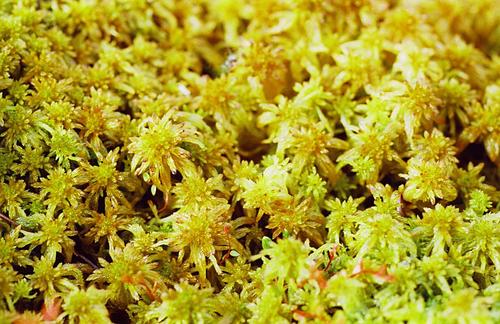
Habitat Partner (c) anonymous, some rights reserved (CC BY-SA) · cc-by-sa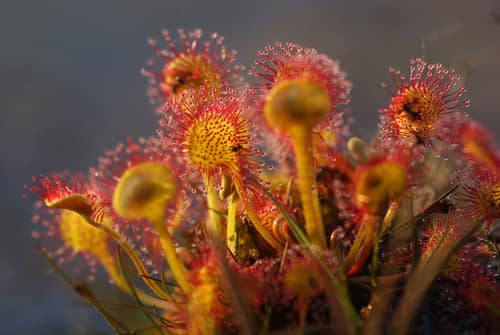
Bog Companion (c) Sylvain Montagner, some rights reserved (CC BY), uploaded by Sylvain Montagner · cc-by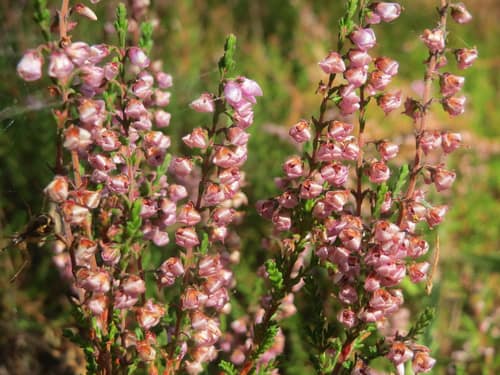
Heath Companion (c) Andreas Rockstein, some rights reserved (CC BY-SA) · cc-by-sa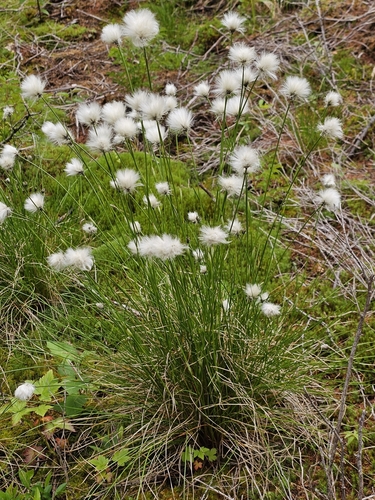
Close Relative (c) Norma Malinowski, some rights reserved (CC BY), uploaded by Norma Malinowski · cc-by
Help improve the field guideSomething wrong?
Checking your Fauna account…Report a name, category, or profile issue for review.