
Plant · GBIF taxon 2716719
Straw-colored Flatsedge
Cyperus strigosusAlso known as False Nutsedge
Straw-colored flatsedge anchors damp soils along wetlands, ditches, and cultivated ground, spreading via short rhizomes with bulbous corms. Its radiating umbels of golden, linear spikelets mature in late summer, providing nutrient-rich seeds for waterfowl and small songbirds. Triangular stems and long leafy bracts make it an adaptable pioneer plant that quickly colonizes newly exposed mudflats.
PerennialWetlandGrass-like


—observations
—countries
—peak records
Least ConcernConservation statusIUCN Red List categoriesLCNTVUENCREWEXLeast ConcernRed List categories, explained →
Diet & prey
- Autotrophic (photosynthetic)
Predators
- Mallard
- Canada Goose
- Muskrat
ThreatsHerbicides in agricultural lands, wetland drainage, and aggressive invasive plants
HabitatsWet meadows, pond margins, ditches, marshes, and disturbed agricultural fields
Life spanPerennial (typically 3–5 years)
Classification
- OrderPoales
- FamilyCyperaceae
- GenusCyperus
- SpeciesCyperus strigosus
Range data is not available yet.
Interaction riskLow
- Low
- Moderate
- High
- Very high
- Why interaction risk is low
- Safe to observe at a normal distance.
Responsible observation
- Stem Inspection: Roll the stem between your fingers to feel the sharp triangular shape characteristic of true sedges.
- Floral Viewing: Examine the flattened, golden-brown spikelets in late summer when the seeds reach full maturity.
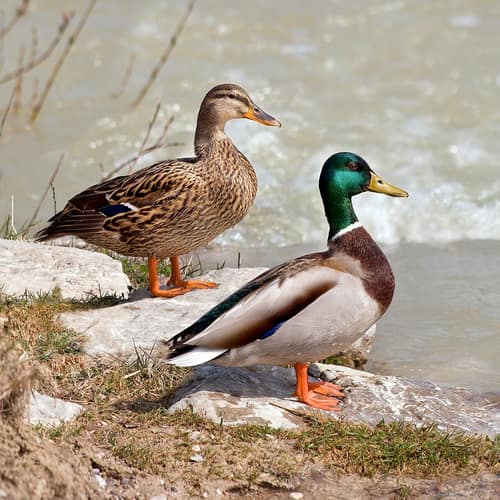
Seed Predator This picture was realized by Richard Bartz by using a Canon EF 70-300mm f/4-5.6 IS USM Lens / CC BY-SA 2.5 · cc-by-sa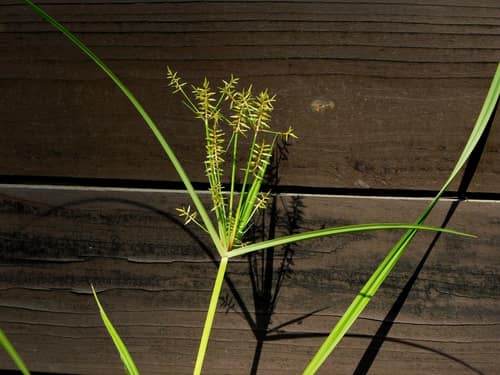
Close Relative (c) Michael J. Papay, some rights reserved (CC BY), uploaded by Michael J. Papay · cc-by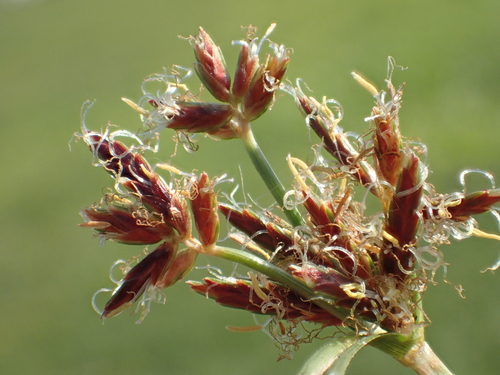
Close Relative no rights reserved, uploaded by 葉子 · cc0 Image unavailable
Close Relative
Help improve the field guideSomething wrong?
Checking your Fauna account…Report a name, category, or profile issue for review.