
Plant · GBIF taxon 2715482
Tall Flatsedge
Cyperus eragrostisAlso known as Pale Galingale, Umbrella Sedge, Tall Nutgrass, Puketangata
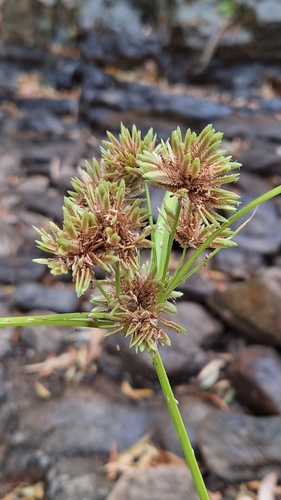
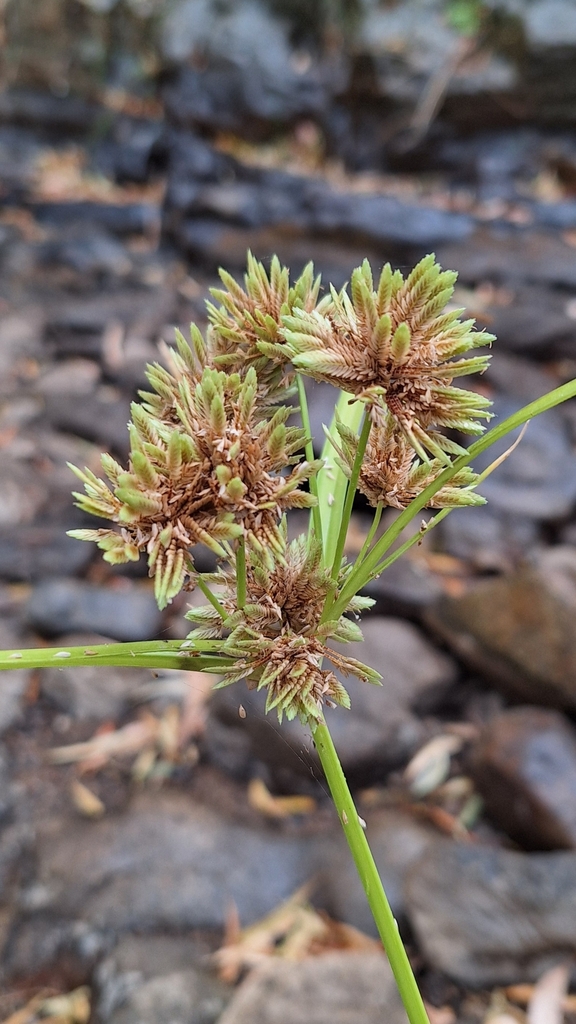
Tall flatsedge thrives in damp, disturbed soils along streams, ditch margins, and marshy meadows. Recognized by its pale green umbrella-like bracts surrounding dense clusters of golden-brown, flattened spikelets, this perennial grass-like plant forms robust clumps. Waterfowl and small mammals consume its seeds, while the dense root structure helps stabilize muddy shorelines.
WetlandPerennialGrassy
—observations
—countries
—peak records
Least ConcernConservation statusIUCN Red List categoriesLCNTVUENCREWEXLeast ConcernRed List categories, explained →
Diet & prey
- Sunlight
- Water
- Soil Nitrates
Predators
- Ducks
- Muskrats
- Waterfowl
ThreatsHabitat drainage, weed management practices
HabitatsWetlands, stream banks, ditches, disturbed wet soils
Life spanPerennial
Size / weightNot available
Classification
- OrderPoales
- FamilyCyperaceae
- GenusCyperus
- SpeciesCyperus eragrostis
Range data is not available yet.
Interaction riskLow
- Low
- Moderate
- High
- Very high
- Why interaction risk is low
- Safe to observe at a normal distance.
Responsible observation
- Identification: Look for triangular stems topped by umbrella-like leafy bracts and round, pale green-to-brown seed heads.
- Habitat Search: Check muddy ditch sides, marsh edges, and seasonally flooded fields during summer.
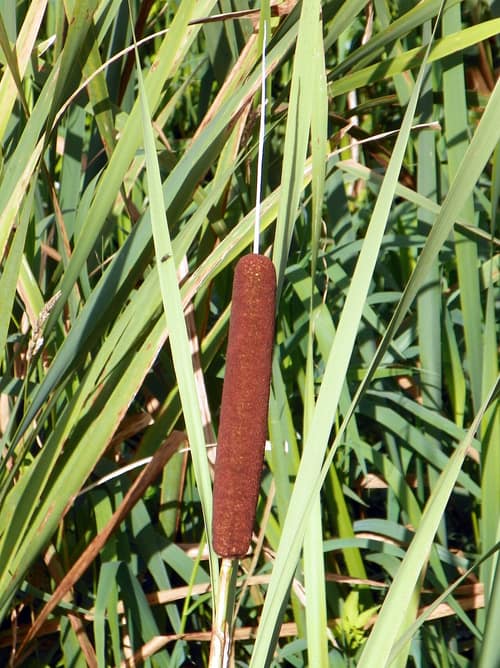
Wetland Companion Peter O'Connor aka anemoneprojectors from Stevenage, United Kingdom / CC BY-SA 2.0 · cc-by-sa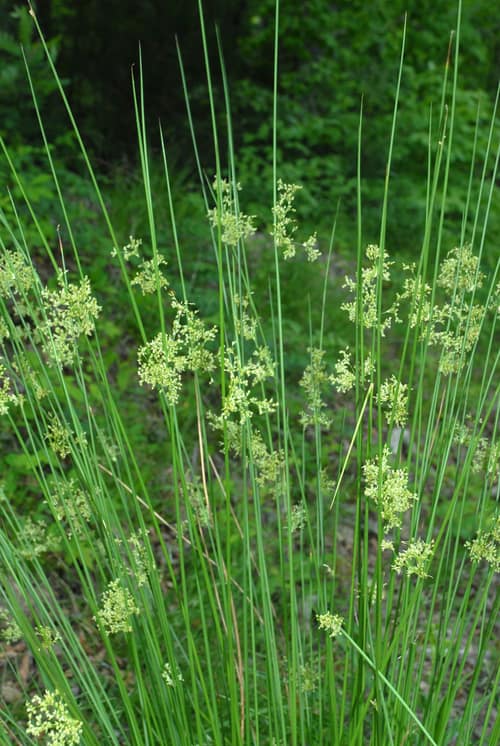
Wetland Companion (c) Douglas Goldman, some rights reserved (CC BY-SA), uploaded by Douglas Goldman · cc-by-sa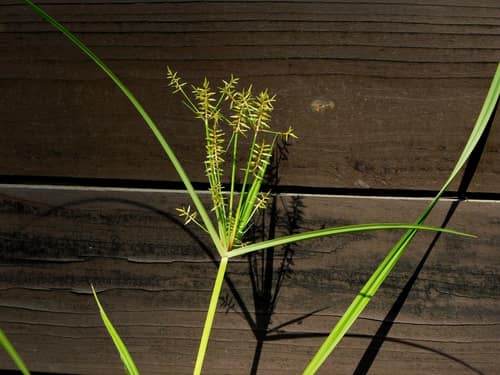
Close Relative (c) Michael J. Papay, some rights reserved (CC BY), uploaded by Michael J. Papay · cc-by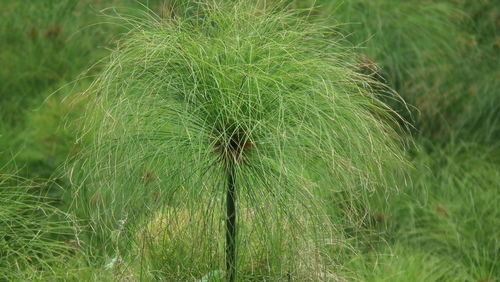
Close Relative (c) Shaun Swanepoel, some rights reserved (CC BY), uploaded by Shaun Swanepoel · cc-by
Help improve the field guideSomething wrong?
Checking your Fauna account…Report a name, category, or profile issue for review.