
Plant
Perennial Ryegrass
Lolium perenneAlso known as English Ryegrass, Winter Ryegrass, Ray Grass
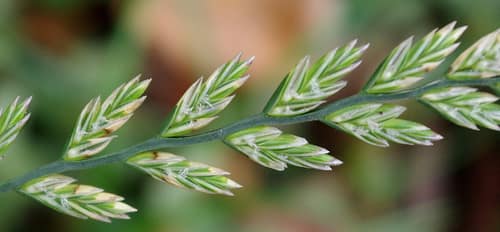
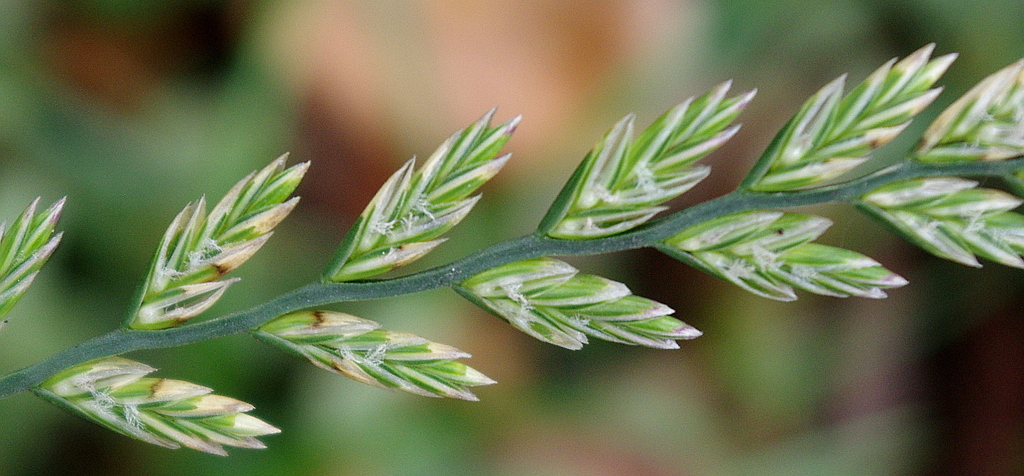
Perennial ryegrass forms dense, dark green tufts with hairless leaves that show a distinctive glossy sheen on their undersides and a reddish-purple tint at the base. Its tall, unbranched flowering stems carry flat spikelets pressed edgewise against the central stalk, releasing clouds of wind-borne pollen in late spring and summer. Native to Europe, Asia, and northern Africa, it now anchors pastures, sports fields, lawns, and roadside verges across the temperate world.
PerennialWind-pollinatedTurfgrass
—observations
—countries
—peak records
Least ConcernConservation statusIUCN Red List categoriesLCNTVUENCREWEXLeast ConcernRed List categories, explained →
Diet & preySunlight, water, and soil nutrients via photosynthesis
Predators
- Cattle
- Sheep
- Meadow Voles
ThreatsDrought stress, heavy frost, overgrazing, and fungal rusts
HabitatsMeadows, pastures, lawns, roadsides, and disturbed grasslands
Life span2 to 5 years
Classification
- FamilyPoaceae
- SpeciesLolium perenne
Range data is not available yet.
Interaction riskLow
- Low
- Moderate
- High
- Very high
- Why interaction risk is low
- Safe to observe at a normal distance.
Responsible observation
- Leaf Check: Look for hairless, dark green blades with a glossy, mirror-like underside.
- Stem Base: Check near the soil for a distinctive reddish-pink tint on young leaf sheaths.
- Flower Spike: Notice how flat spikelets sit edgewise against the central stem without stalks.
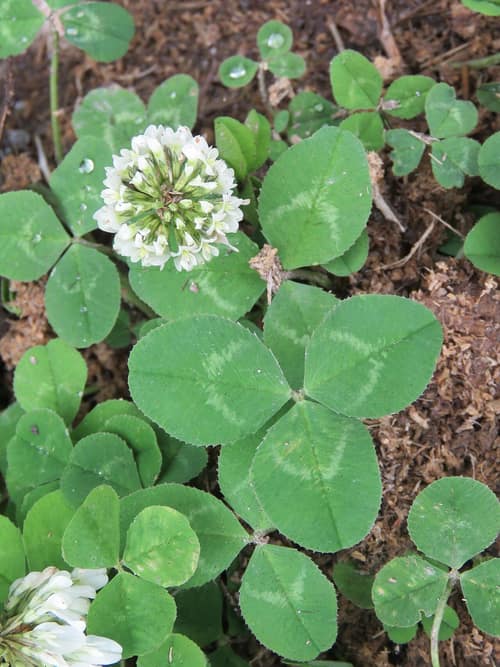
Frequent Companion Vinayaraj / CC BY-SA 4.0 · cc-by-sa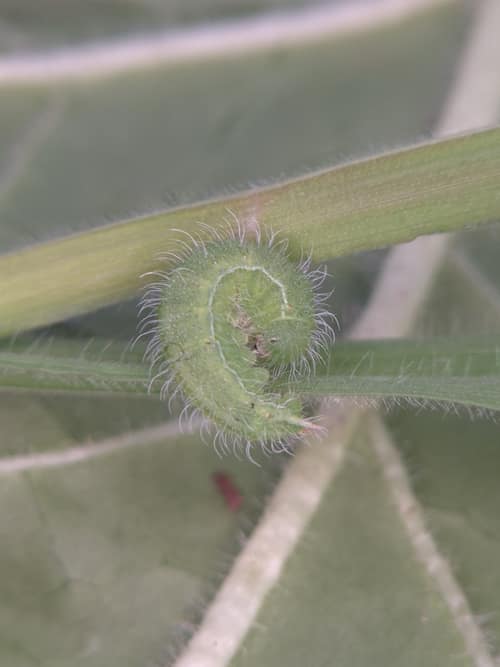
Herbivore (c) Céline, some rights reserved (CC BY), uploaded by Céline · cc-by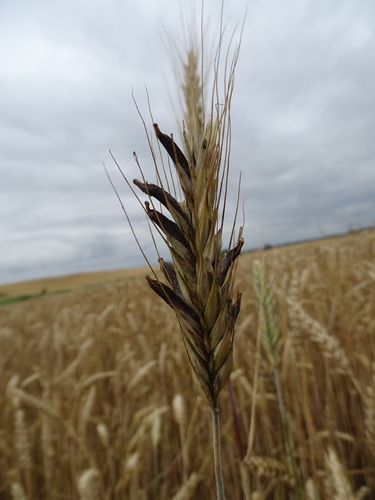
Parasite (c) Grzegorz Grzejszczak, some rights reserved (CC BY-SA), uploaded by Grzegorz Grzejszczak · cc-by-sa Image unavailable
Close Relative 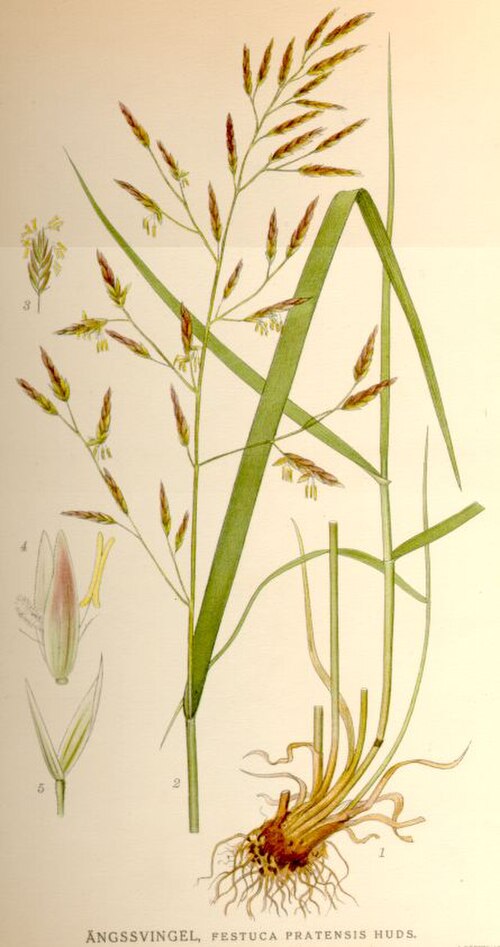
Same Family Wikimedia Commons / Public domain · cc0
Help improve the field guideSomething wrong?
Checking your Fauna account…Report a name, category, or profile issue for review.