
Plant
Goose Grass
Eleusine indicaAlso known as Indian Goosegrass, Yard Grass, Wiregrass, Crowfoot Grass
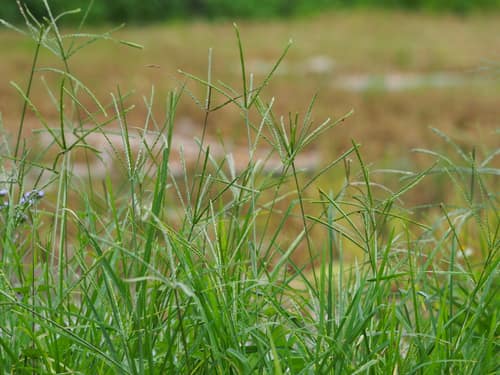
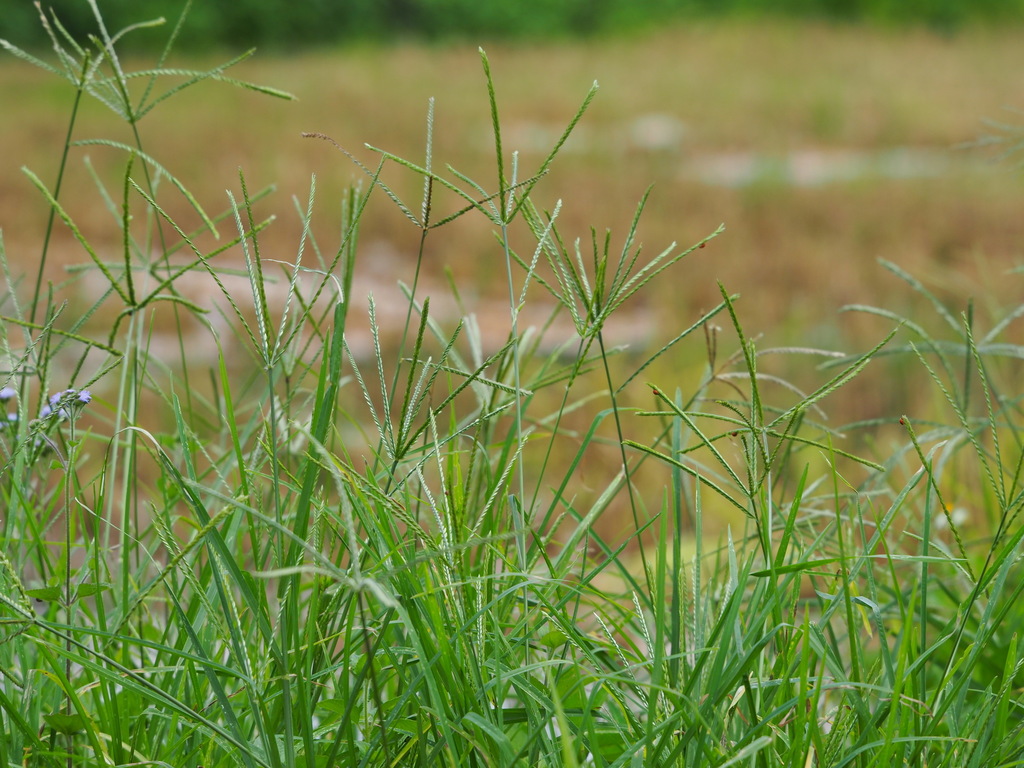
Goose grass thrives in compacted, trampled soils where few other plants can establish, anchoring itself with exceptionally tough, fibrous root systems that make it notoriously hard to pull. Stems radiate outward from a distinctive pale, flattened base, culminating in terminal whorls of flattened flowering spikes that shed thousands of wind-borne seeds. Found worldwide across warm climates, this hardy annual colonizes disturbed agricultural land, roadsides, and manicured turf with remarkable speed.
Annual GrassCosmopolitanWind-Pollinated
—observations
—countries
—peak records
Least ConcernConservation statusIUCN Red List categoriesLCNTVUENCREWEXLeast ConcernRed List categories, explained →
Diet & preyAutotrophic (photosynthetic)
Predators
- Cattle
- Grasshoppers
- Fall Armyworms
ThreatsHerbicide applications, mechanical tillage, and hand weeding
HabitatsLawns, roadsides, crop fields, pastures, and disturbed urban ground
Life spanAnnual (completes life cycle in 3–5 months)
Classification
- OrderPoales
- FamilyPoaceae
- GenusEleusine
- SpeciesEleusine indica
Range data is not available yet.
Interaction riskLow
- Low
- Moderate
- High
- Very high
- Why interaction risk is low
- Safe to observe at a normal distance.
Responsible observation
- Identification: Look for a flattened whitish stem base with two to six radiating spikes at the tip.
- Weeding Timing: Uproot plants early after rain when the tenacious fibrous root system yields more easily.
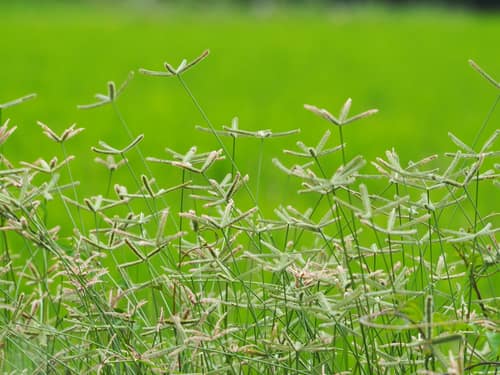
Look-alike no rights reserved, uploaded by 葉子 · cc0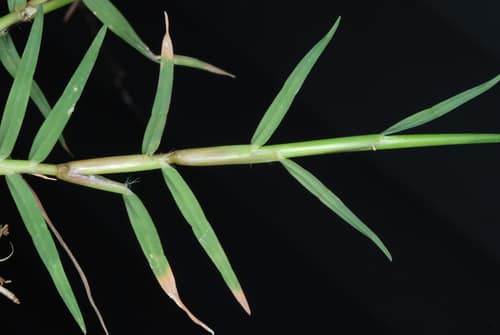
Competitor (c) Douglas Goldman, some rights reserved (CC BY-SA), uploaded by Douglas Goldman · cc-by-sa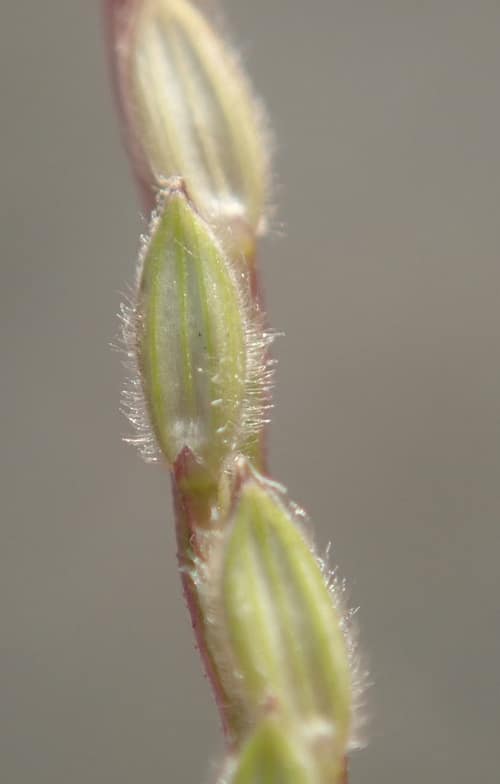
Frequent Companion (c) Thomas Gyselinck, some rights reserved (CC BY), uploaded by Thomas Gyselinck · cc-by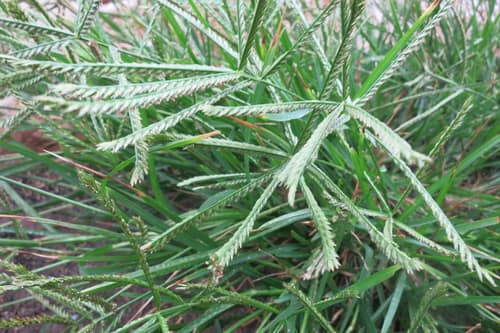
Close Relative (c) Nanna Joubert, some rights reserved (CC BY-SA) · cc-by-sa
Help improve the field guideSomething wrong?
Checking your Fauna account…Report a name, category, or profile issue for review.